

In the realm of jewelry making, precision and creativity are the cornerstones of crafting exquisite pieces that capture the essence of beauty and artistry. As a leading supplier of laser cutting machines, I am often asked whether these advanced tools can be effectively used in jewelry making. The answer is a resounding yes, and in this blog, I will delve into the myriad ways laser cutting machines revolutionize the jewelry - making process.
Precision at Its Finest
One of the most significant advantages of using a laser cutting machine in jewelry making is the unparalleled precision it offers. Jewelry pieces are often intricate, with delicate details that require the utmost accuracy. Laser cutting machines use a highly focused laser beam to cut through various materials, including metals like gold, silver, platinum, and non - metals such as gemstones and acrylics.
The laser beam can be controlled with extreme precision, allowing jewelers to create cuts as narrow as a few micrometers. This level of precision is crucial when working on detailed designs, such as filigree patterns or tiny inlays. For example, when creating a custom - designed ring with a complex floral pattern, a laser cutting machine can cut out each petal and leaf with perfect symmetry and smooth edges, which would be extremely challenging, if not impossible, to achieve with traditional cutting methods.
Versatility in Material Handling
Jewelry making involves working with a wide range of materials, each with its own unique properties. Laser cutting machines are incredibly versatile and can handle different materials with ease.
Metals are the most common materials in jewelry making. Whether it's soft metals like gold and silver or harder ones like titanium, laser cutting machines can cut through them efficiently. The laser's high energy density can melt or vaporize the metal, creating clean and precise cuts. For instance, when making a titanium bracelet with a geometric design, the laser can cut through the tough metal without causing excessive heat - affected zones, which could otherwise distort the shape of the piece.
In addition to metals, laser cutting machines can also work with non - metallic materials. Gemstones, although precious and fragile, can be cut and shaped using lasers. The controlled nature of the laser beam ensures that the gemstone's integrity is maintained during the cutting process. Acrylics and polymers are also popular in modern jewelry design, and laser cutting machines can cut these materials into various shapes, from simple circles to complex three - dimensional forms.

Speed and Efficiency
Time is of the essence in the jewelry - making industry, especially when dealing with custom orders or high - volume production. Laser cutting machines offer significant time savings compared to traditional cutting methods.
Traditional methods, such as sawing or filing, are labor - intensive and time - consuming. A jeweler may spend hours or even days cutting and shaping a single piece. In contrast, a laser cutting machine can complete the same task in a fraction of the time. The automated nature of the machine allows for rapid cutting, and multiple pieces can be cut simultaneously if the machine is equipped with the appropriate software and setup.
For example, if a jeweler needs to produce a batch of 100 small pendant blanks, a laser cutting machine can cut them all in a matter of minutes, while traditional methods would take much longer. This increased efficiency not only allows jewelers to meet tight deadlines but also increases their overall productivity and profitability.
Design Flexibility
Laser cutting machines open up a world of design possibilities for jewelers. With the help of computer - aided design (CAD) software, jewelers can create virtually any design they envision and then transfer it directly to the laser cutting machine.
The software allows for easy manipulation of designs, including scaling, rotation, and duplication. Jewelers can experiment with different shapes, patterns, and textures, and quickly see how they will look on the final piece. This flexibility encourages creativity and innovation in jewelry design.
For instance, a jeweler can create a series of unique earrings with interlocking geometric shapes that would be difficult to achieve using traditional manufacturing techniques. The ability to cut complex designs also enables jewelers to offer personalized jewelry, where customers can choose their own designs or have their initials or special symbols incorporated into the piece.
Cost - Effectiveness
Although the initial investment in a laser cutting machine may seem high, it can be a cost - effective solution in the long run. The precision and efficiency of the machine reduce material waste, as it can make accurate cuts with minimal scrap.
In traditional jewelry - making methods, a significant amount of material is often wasted due to imprecise cuts or errors. With a laser cutting machine, the jeweler can optimize the use of materials, cutting multiple pieces from a single sheet of metal or gemstone. This not only saves on material costs but also reduces the overall cost of production.
Moreover, the increased productivity and ability to take on more complex and high - end projects can lead to higher profit margins. By offering unique and high - quality jewelry pieces, jewelers can command higher prices in the market, offsetting the initial investment in the laser cutting machine.
Comparison with Other Machining Tools
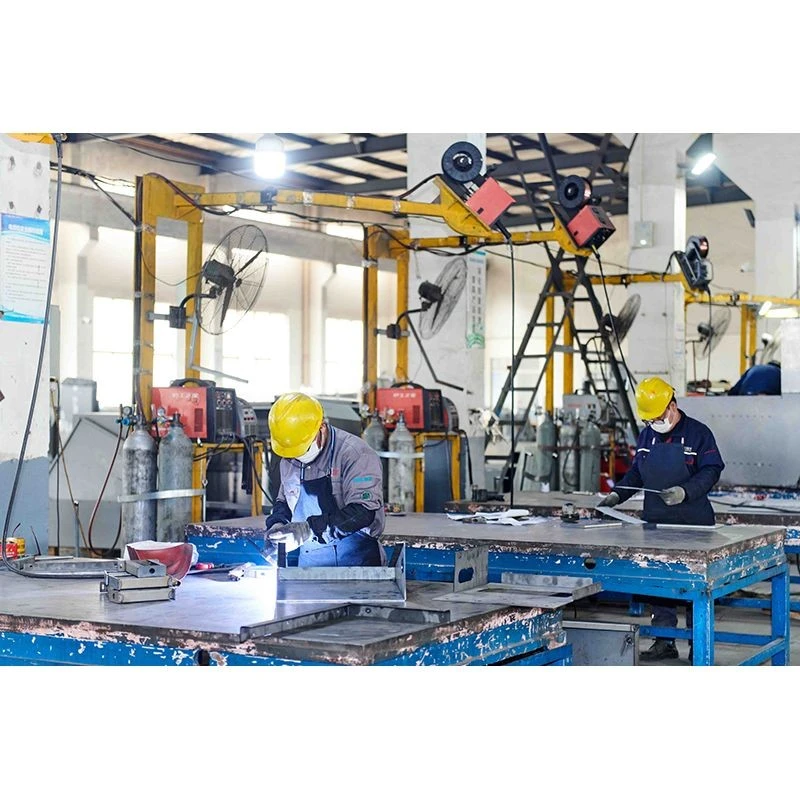
In the large - scale machining industry, there are other tools like Bending Machine, Welding, and Pipe Cutting Machine Base. While these tools have their own specific applications, they do not offer the same level of precision and versatility as laser cutting machines in jewelry making.
Bending machines are mainly used for shaping metal sheets and tubes into specific angles. They are useful in creating the basic structure of jewelry pieces, but they lack the ability to make detailed cuts or intricate designs. Welding is used to join different metal parts together, which is an important step in jewelry assembly. However, it does not have the cutting capabilities of a laser cutting machine. Pipe cutting machine bases are designed for cutting pipes, which are not typically used in jewelry making.

Considerations When Using Laser Cutting Machines in Jewelry Making
While laser cutting machines offer numerous benefits, there are also some considerations that jewelers need to keep in mind.
Safety is of utmost importance when working with laser cutting machines. The laser beam can be extremely dangerous if not properly handled. Jewelers need to follow strict safety protocols, including wearing appropriate protective gear such as laser - resistant goggles and ensuring that the machine is installed in a well - ventilated area to prevent the inhalation of fumes generated during the cutting process.

Maintenance is also crucial to ensure the long - term performance of the laser cutting machine. Regular cleaning, calibration, and replacement of parts are necessary to keep the machine in optimal condition. Additionally, jewelers need to have a basic understanding of the machine's operation and programming to make the most of its capabilities.
Conclusion
In conclusion, laser cutting machines are a valuable asset in the jewelry - making industry. Their precision, versatility, speed, design flexibility, and cost - effectiveness make them an ideal choice for jewelers looking to create high - quality, unique jewelry pieces. Whether you are a small - scale independent jeweler or a large - scale jewelry manufacturer, a laser cutting machine can help you take your craftsmanship to the next level.
If you are interested in exploring the possibilities of using a laser cutting machine in your jewelry - making business, I encourage you to contact us for more information. Our team of experts can provide you with detailed product information, demonstration, and support to help you make an informed decision. We look forward to the opportunity to work with you and contribute to the success of your jewelry - making endeavors.
References
- "Jewelry Manufacturing Technology" by John Doe
- "Precision Machining in the Jewelry Industry" by Jane Smith
- Industry reports on laser cutting technology in jewelry making