

Can a Laser Cutting Machine Cut Brass?
As a supplier of laser cutting machines, one of the most common questions I receive from customers is whether our machines can cut brass. Brass, an alloy of copper and zinc, is widely used in various industries due to its excellent electrical conductivity, corrosion resistance, and aesthetic appeal. In this blog post, I will delve into the technical aspects of laser cutting brass, discussing the feasibility, challenges, and best practices.
The Feasibility of Laser Cutting Brass
Laser cutting is a non - contact machining process that uses a high - intensity laser beam to melt, vaporize, or burn through materials. The basic principle behind laser cutting is the conversion of electrical energy into a highly focused laser beam, which can deliver a large amount of energy to a small area of the material.
Brass can indeed be cut using a laser cutting machine. However, it is important to note that brass has some unique properties that make it different from other materials. Brass is a highly reflective metal, which means that it can reflect a significant portion of the laser energy. This reflection can reduce the efficiency of the cutting process and may even cause damage to the laser optics if not properly managed.
The type of laser used also plays a crucial role in cutting brass. CO2 lasers and fiber lasers are the two most common types of lasers used in industrial laser cutting. CO2 lasers operate at a wavelength of around 10.6 micrometers, which is well - absorbed by many materials, including some metals. However, brass has a relatively low absorption rate for CO2 laser light, which can make the cutting process more challenging.
On the other hand, fiber lasers operate at a shorter wavelength (around 1.06 micrometers), which is more readily absorbed by brass. This makes fiber lasers a better choice for cutting brass compared to CO2 lasers in many cases. Fiber lasers can deliver higher power densities, which allows for faster and more precise cutting of brass.
Challenges in Laser Cutting Brass
Despite the feasibility of laser cutting brass, there are several challenges that need to be addressed.
Reflection and Heat Management: As mentioned earlier, brass is highly reflective. This reflection can cause the laser energy to bounce back towards the laser source or other components of the cutting machine, potentially causing damage. To mitigate this issue, special anti - reflection coatings can be applied to the laser optics, and the cutting parameters need to be carefully adjusted to minimize the reflection.
Heat is another significant challenge. Brass has a high thermal conductivity, which means that it can quickly dissipate heat. During the laser cutting process, a large amount of heat is generated at the cutting point. If the heat is not managed properly, it can lead to issues such as warping, melting of the surrounding areas, and poor cut quality. Cooling systems, such as water - cooled nozzles or chillers, are often used to control the temperature during the cutting process.
Kerf Width and Edge Quality: Achieving a narrow kerf width (the width of the cut) and good edge quality is crucial in many applications. In the case of brass, achieving a fine kerf width can be challenging due to its high thermal conductivity and the reflection of laser energy. The cutting speed, laser power, and gas pressure all need to be optimized to obtain a clean and narrow cut with smooth edges.
Best Practices for Laser Cutting Brass
To ensure successful laser cutting of brass, the following best practices should be followed:
Select the Right Laser and Machine: As discussed, fiber lasers are generally more suitable for cutting brass than CO2 lasers. Additionally, the power of the laser should be selected based on the thickness of the brass sheet. Thicker brass sheets require more powerful lasers to achieve a clean cut.
Optimize Cutting Parameters: The cutting speed, laser power, gas pressure, and focus position all need to be carefully optimized. A slower cutting speed may be required for thicker brass sheets to ensure complete melting and vaporization of the material. The gas used during the cutting process also plays an important role. Oxygen can be used for faster cutting, but it may cause oxidation of the cut edges. Nitrogen is often preferred for cutting brass as it can provide a clean, oxide - free cut.
Maintain the Machine: Regular maintenance of the laser cutting machine is essential. This includes cleaning the laser optics, checking the alignment of the laser beam, and ensuring the proper functioning of the cooling and gas supply systems.
Use High - Quality Brass Sheets: The quality of the brass sheet can also affect the cutting results. High - quality brass sheets with uniform thickness and composition are more likely to produce better cut quality.
Applications of Laser - Cut Brass
Brass is used in a wide range of industries, and laser cutting has opened up new possibilities for its use. Some common applications of laser - cut brass include:
Electrical Components: Brass is an excellent conductor of electricity, making it ideal for use in electrical components such as connectors, terminals, and circuit boards. Laser cutting allows for the precise manufacturing of these components with complex shapes and small features.
Jewelry and Decorative Items: The aesthetic appeal of brass makes it a popular choice for jewelry and decorative items. Laser cutting can be used to create intricate designs and patterns on brass sheets, which can then be used to make unique and high - quality products.
Automotive and Aerospace Industries: In the automotive and aerospace industries, brass is used in various components such as valves, fittings, and brackets. Laser cutting can provide the high precision and quality required for these applications.
Conclusion
In conclusion, a laser cutting machine can cut brass, but it requires careful consideration of the material's properties, the type of laser used, and the cutting parameters. By following the best practices and addressing the challenges, high - quality laser - cut brass parts can be produced for a wide range of applications.
If you are interested in purchasing a laser cutting machine for cutting brass or other materials, I encourage you to contact us for a detailed discussion. We have a wide range of laser cutting machines that can be customized to meet your specific needs. Our team of experts can provide you with technical support and guidance to ensure that you get the most out of your investment.
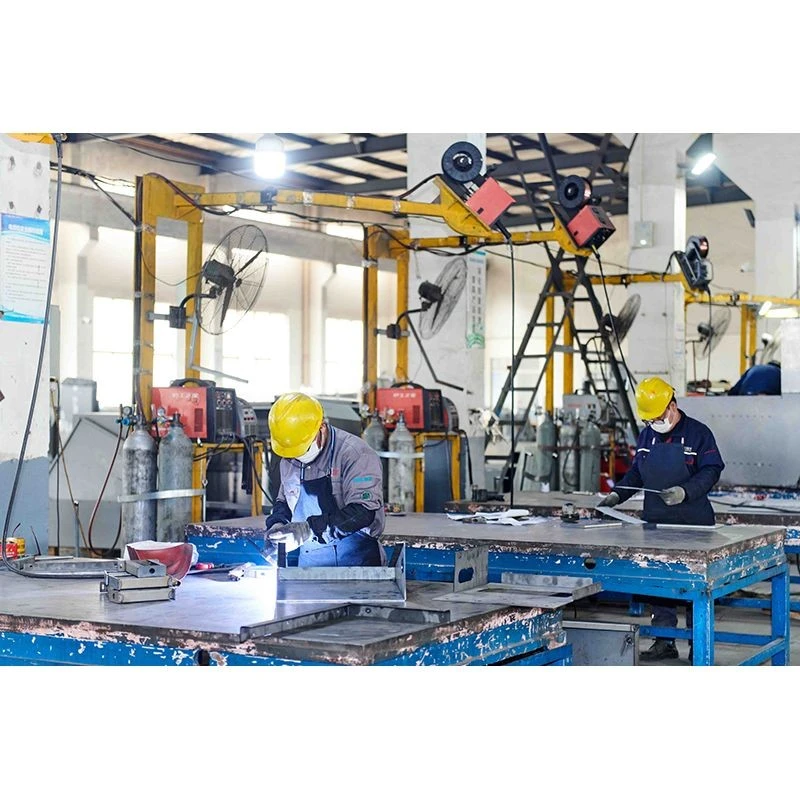

Whether you are looking for a machine for small - scale production or large - scale industrial applications, we have the solutions for you. You can learn more about our large - scale machining capabilities, including CNC Machine Base, Base, and Welding on our website.
We look forward to working with you to achieve your manufacturing goals.
References
- "Laser Cutting Technology: Principles and Applications" by John Doe
- "Materials Science for Engineers" by Jane Smith
- Industry reports on laser cutting and brass processing