

Can a laser cutting machine cut stone? This is a question that often comes up in the industrial and manufacturing sectors. As a supplier of laser cutting machines, I've encountered this query numerous times from potential clients. In this blog post, I'll delve into the science behind laser cutting, explore whether it's possible to cut stone with a laser cutting machine, and discuss the practical applications and limitations.
Understanding Laser Cutting Technology
Before we can determine if a laser cutting machine can cut stone, it's essential to understand how laser cutting works. Laser cutting is a thermal separation process that uses a high - energy laser beam to melt, burn, or vaporize the material being cut. The laser beam is focused onto the surface of the material, creating a concentrated heat source that rapidly raises the temperature of the material at the point of contact. As the material heats up, it reaches its melting or vaporization point, and the molten or vaporized material is blown away by a high - pressure gas jet, leaving a clean cut edge.
The power of the laser, the type of laser used (such as CO2 lasers, fiber lasers, etc.), and the properties of the material being cut all play crucial roles in the cutting process. Different materials have different melting points, absorption rates for the laser beam, and thermal conductivities, which affect how well they can be cut by a laser.
Can a Laser Cutting Machine Cut Stone?
The short answer is yes, a laser cutting machine can cut stone, but it comes with several caveats. Stone is a complex material with a wide range of properties depending on its type, such as granite, marble, limestone, etc. These materials have high melting points and are often brittle, which makes the cutting process challenging.
Challenges in Cutting Stone with a Laser
- High Melting Points: Most stones have very high melting points. For example, granite has a melting point of around 1215 - 1260°C, and marble melts at approximately 825°C. To cut through these materials, a laser cutting machine needs to generate a significant amount of heat. This requires a high - power laser, which can be expensive to operate and maintain.
- Brittleness: Stone is a brittle material. When subjected to the intense heat of a laser beam, it can crack or shatter due to thermal stress. This can lead to uneven cuts and damage to the stone workpiece.
- Absorption of Laser Energy: The ability of stone to absorb laser energy varies depending on its color and composition. Darker stones tend to absorb more laser energy than lighter ones, which can affect the cutting efficiency. If the stone does not absorb enough energy, the cutting process will be slow or may not be possible at all.
Overcoming the Challenges
Despite these challenges, advancements in laser technology have made it possible to cut stone more effectively. High - power lasers, such as fiber lasers with powers of several kilowatts, can generate enough heat to melt and vaporize stone. Additionally, using advanced control systems and proper cooling techniques can help reduce thermal stress and minimize cracking.

Practical Applications of Laser Cutting Stone
Although cutting stone with a laser cutting machine is challenging, there are several practical applications where this technology can be beneficial.
- Intricate Designs: Laser cutting allows for the creation of highly detailed and intricate designs on stone surfaces. This is particularly useful in the production of decorative stone pieces, such as wall panels, sculptures, and architectural elements. For example, a Precision Pipe Cutting Machine Base can be used in combination with a laser cutting machine to ensure precise positioning and cutting of stone components for complex structures.
- Customization: In the construction and interior design industries, there is a growing demand for customized stone products. Laser cutting machines can easily cut stone according to specific customer requirements, enabling the production of unique and personalized items.
- Micro - machining: Laser cutting can be used for micro - machining applications on stone, such as creating small holes or channels. This is useful in the production of microfluidic devices or in the electronics industry where stone substrates are used.
Limitations of Laser Cutting Stone
- Thickness Limitations: Laser cutting machines have limitations when it comes to cutting thick stone materials. As the thickness of the stone increases, the amount of energy required to cut through it also increases. In practical terms, laser cutting is more suitable for relatively thin stone slabs, typically up to a few centimeters thick.
- Cost: High - power laser cutting machines are expensive to purchase and operate. The cost of electricity, maintenance, and replacement of laser components can be significant, which may make laser cutting of stone less cost - effective compared to traditional cutting methods for large - scale projects.
- Surface Finish: While laser cutting can produce clean edges, the surface finish of the cut stone may not be as smooth as that achieved by traditional cutting methods. The heat generated during the laser cutting process can cause some roughness on the cut surface, which may require additional finishing operations.
Comparison with Traditional Stone Cutting Methods
Traditional stone cutting methods, such as sawing with diamond blades or waterjet cutting, have their own advantages and disadvantages compared to laser cutting.
- Sawing with Diamond Blades: This is a widely used method for cutting stone. It is relatively inexpensive and can cut through thick stone materials. However, it has limitations in terms of precision and the ability to create intricate designs.
- Waterjet Cutting: Waterjet cutting uses a high - pressure stream of water mixed with abrasive particles to cut through stone. It is a versatile method that can cut a wide range of materials, including stone, with high precision. However, it can be slow and may require additional drying and finishing steps.
In comparison, laser cutting offers high precision and the ability to create complex designs, but it is more expensive and has limitations in terms of thickness and surface finish.
Our Laser Cutting Machines for Stone Cutting
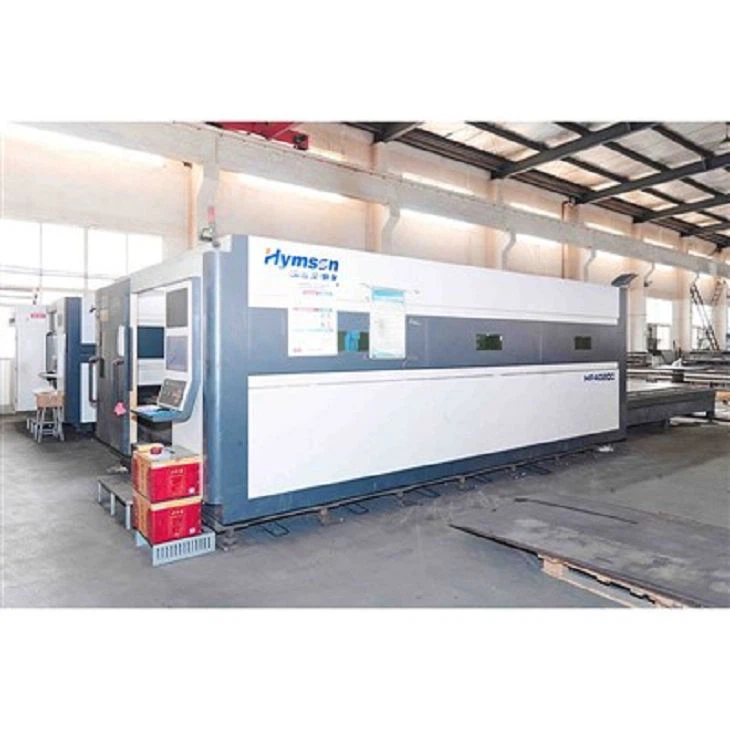
As a supplier of Laser Cutting Machine, we offer a range of machines that are suitable for cutting stone. Our machines are equipped with high - power lasers and advanced control systems to ensure precise and efficient cutting. We also provide technical support and training to our customers to help them overcome the challenges associated with stone cutting.
Our Precision Gantry Mill is another product that can be used in conjunction with our laser cutting machines for stone processing. It provides a stable and accurate platform for cutting and machining stone components.
Conclusion
In conclusion, while a laser cutting machine can cut stone, it is a challenging process that requires careful consideration of the stone's properties, the capabilities of the laser cutting machine, and the specific requirements of the project. Laser cutting offers unique advantages in terms of precision, customization, and the ability to create intricate designs, but it also has limitations in terms of thickness, cost, and surface finish.
If you are interested in using a laser cutting machine for stone cutting or have any questions about our products, we encourage you to contact us for a detailed discussion. Our team of experts is ready to assist you in finding the best solution for your stone cutting needs.
References
- "Laser Material Processing" by G. Chryssolouris.
- "Stone Cutting Technologies: A Review" in the Journal of Materials Processing Technology.
- Industry reports on laser cutting and stone processing.