

As a shaft sleeve supplier, I often encounter questions from customers about the reusability of shaft sleeves. This topic is not only crucial for cost - effectiveness but also for environmental considerations. In this blog, I'll delve deep into the factors that determine whether a shaft sleeve can be reused.
Understanding Shaft Sleeves
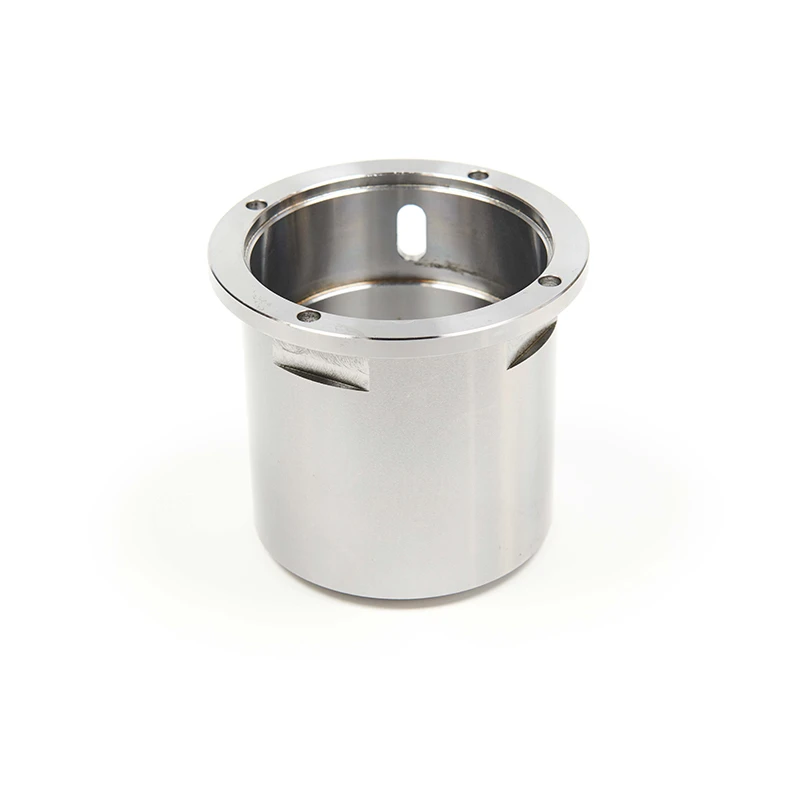
Before discussing reusability, it's essential to understand what a shaft sleeve is. A shaft sleeve is a cylindrical component that fits over a shaft, serving multiple functions. It can protect the shaft from wear, corrosion, and damage. Additionally, it can act as a spacer, providing proper alignment between different parts of a machine. Shaft sleeves are used in a wide range of industries, including automotive, aerospace, and manufacturing. You can find more information about Shaft Sleeve on our website.
Factors Affecting Reusability
Wear and Tear
One of the primary factors determining whether a shaft sleeve can be reused is the level of wear and tear. Over time, the constant friction between the shaft and the sleeve can cause the inner surface of the sleeve to wear down. If the wear is minimal, the sleeve can often be reused after some minor refurbishment. However, if the wear is excessive, the sleeve may no longer provide the necessary protection and alignment, and reuse would not be advisable.
To assess the wear, one can use various measurement tools. For example, a micrometer can be used to measure the inner diameter of the sleeve. If the diameter has increased beyond the acceptable tolerance range, it indicates significant wear. Another method is to visually inspect the surface of the sleeve for signs of scoring, pitting, or excessive abrasion.
Corrosion
Corrosion is another major concern when it comes to shaft sleeve reusability. Corrosion can occur due to exposure to moisture, chemicals, or other corrosive agents in the operating environment. A corroded shaft sleeve may have reduced strength and integrity, which can compromise its performance.

If the corrosion is superficial, it may be possible to remove the corrosion layer through processes such as sandblasting or chemical treatment. Once the corrosion is removed, the sleeve can be inspected for any remaining damage. However, if the corrosion has penetrated deeply into the material, weakening the structure of the sleeve, it is usually not safe to reuse it.
Material Integrity
The material integrity of the shaft sleeve is also vital. Sometimes, external factors such as high - stress loads or sudden impacts can cause cracks or fractures in the sleeve. Even small cracks can propagate over time, leading to catastrophic failure.
Non - destructive testing methods, such as ultrasonic testing or magnetic particle inspection, can be used to detect hidden cracks or flaws in the sleeve. If any significant damage is found, the sleeve should not be reused, as it poses a serious risk to the overall operation of the machinery.
Reuse Procedures
If a shaft sleeve passes the inspection for wear, corrosion, and material integrity, there are several steps involved in preparing it for reuse.
Cleaning
The first step is to clean the shaft sleeve thoroughly. This involves removing any dirt, debris, or contaminants from the surface. A suitable cleaning agent can be used, depending on the type of material and the nature of the contaminants. For example, if the sleeve is made of metal, a degreaser can be used to remove oil and grease. After cleaning, the sleeve should be rinsed with clean water and dried to prevent further corrosion.
Refurbishment
Once the sleeve is clean, it may require some refurbishment. This can include processes such as honing or polishing the inner surface to restore its smoothness and dimensional accuracy. If the outer surface has minor scratches or blemishes, they can be buffed out to improve the appearance and functionality of the sleeve.
Lubrication
Before reinstalling the shaft sleeve, it is important to apply the appropriate lubricant. Lubrication reduces friction between the shaft and the sleeve, extending their service life. The type of lubricant used depends on the operating conditions, such as temperature, speed, and load.
Advantages of Reusing Shaft Sleeves
Cost Savings
Reusing shaft sleeves can lead to significant cost savings for businesses. Purchasing new shaft sleeves can be expensive, especially for large - scale operations. By reusing sleeves that are still in good condition, companies can reduce their procurement costs.
Environmental Benefits
From an environmental perspective, reusing shaft sleeves is a sustainable practice. It reduces the demand for new raw materials and minimizes waste generation. This aligns with the growing trend of environmental responsibility in the manufacturing industry.
Limitations and Risks
While there are advantages to reusing shaft sleeves, there are also limitations and risks. As mentioned earlier, if the sleeve has significant wear, corrosion, or damage, reusing it can lead to machinery failure. This can result in costly downtime, repairs, and even safety hazards.
It is also important to note that reusing a shaft sleeve may void the warranty of the machinery in some cases. Manufacturers may have specific guidelines regarding the use of components, and using a reused shaft sleeve may not comply with these guidelines.
Application - Specific Considerations
The reusability of shaft sleeves can also vary depending on the application. For example, in high - precision applications such as aerospace or medical equipment, the tolerance for wear and damage is extremely low. In these cases, even minor deviations from the original specifications can have a significant impact on performance. Therefore, reusing shaft sleeves in such applications requires extremely careful evaluation and may often not be recommended.
On the other hand, in less - critical applications such as some types of general - purpose machinery, a shaft sleeve with slightly more wear may still be acceptable for reuse, as long as it does not compromise the overall functionality of the equipment.
Conclusion
In conclusion, whether a shaft sleeve can be reused depends on multiple factors, including wear and tear, corrosion, and material integrity. While reusing shaft sleeves can offer cost savings and environmental benefits, it is essential to conduct a thorough inspection and follow proper reuse procedures.
As a shaft sleeve supplier, we understand the importance of providing our customers with high - quality products. We also recognize the value of helping our customers make informed decisions about shaft sleeve reusability. If you have any questions or need further advice on this topic, please feel free to get in touch with us. We are always ready to assist you in your procurement and maintenance needs. You may also be interested in our Bearing Seat Cover and Plastic Products for your related applications.
References
- Manufacturer's guidelines for shaft sleeve use and maintenance.
- Industry standards for shaft sleeve inspection and measurement.
- Research papers on material degradation and reuse in mechanical components.