

As a supplier of saddle seats, I often encounter inquiries about the need to re-stuff these seats. Saddle seats have a long history, dating back to the days of equestrian sports where riders required a seat that provided stability and comfort during long rides. Over time, the design and materials used in saddle seats have evolved, but the fundamental question of re-stuffing remains relevant for both traditional and modern users.
Understanding the Structure of Saddle Seats
Before delving into whether saddle seats need to be re-stuffed, it's essential to understand their basic structure. A typical saddle seat consists of a frame, which can be made of wood, metal, or a combination of both. This frame provides the structural support for the seat. On top of the frame, there is a layer of padding, which is the stuffing. The stuffing can be made from various materials such as wool, foam, or synthetic fibers. Finally, the seat is covered with a layer of leather or other upholstery materials.
The quality and type of stuffing used in a saddle seat play a crucial role in its comfort and performance. High-quality stuffing provides better support, distributes the rider's weight evenly, and reduces pressure points. However, over time, the stuffing can compress, lose its shape, and become less effective.
Factors Affecting the Need for Re-stuffing
Several factors can determine whether a saddle seat needs to be re-stuffed. These include:
Usage Frequency
Saddle seats that are used frequently, such as those in professional equestrian stables or for daily riding, are more likely to require re-stuffing. The constant pressure and movement from the rider can cause the stuffing to break down faster. For example, a professional jockey who rides multiple horses every day will put more stress on the saddle seat compared to a casual rider who only rides once a week.

Age of the Seat
As saddle seats age, the stuffing naturally deteriorates. Even if the seat is not used very often, the materials can break down over time due to exposure to air, moisture, and other environmental factors. Older seats may also have been made with lower-quality stuffing that is more prone to wear and tear.
Type of Stuffing
Different types of stuffing have different lifespans. Wool stuffing, for example, is known for its durability and ability to retain its shape. However, it can still compress over time. Foam stuffing, on the other hand, may lose its resilience more quickly, especially if it is of lower quality. Synthetic fiber stuffing can vary in quality, but some may not provide the same level of support as natural materials.
Rider's Weight and Riding Style
Heavier riders or those with a more aggressive riding style can put more pressure on the saddle seat, causing the stuffing to compress faster. Riders who make sudden movements or put a lot of weight on one side of the seat can also contribute to uneven wear of the stuffing.
Signs That a Saddle Seat Needs Re-stuffing
There are several signs that indicate a saddle seat may need to be re-stuffed:
Loss of Comfort
If the rider starts to feel discomfort or pain while sitting in the saddle, it could be a sign that the stuffing is no longer providing adequate support. This could manifest as pressure points on the thighs, hips, or lower back.
Visible Sagging
A sagging saddle seat is a clear indication that the stuffing has compressed. This can affect the rider's balance and stability, as well as the horse's movement.
Uneven Wear
If one side of the saddle seat appears to be more worn than the other, it could mean that the stuffing is unevenly distributed. This can be caused by the rider's riding style or improper use of the saddle.
Reduced Performance
A saddle seat with worn-out stuffing may not perform as well as it should. The rider may notice a decrease in their ability to control the horse or a lack of responsiveness from the saddle.
The Benefits of Re-stuffing Saddle Seats
Re-stuffing a saddle seat can offer several benefits:
Improved Comfort
New stuffing can provide better support and distribute the rider's weight more evenly, reducing pressure points and increasing comfort. This can make long rides more enjoyable and reduce the risk of injury.
Enhanced Performance
A well-stuffed saddle seat can improve the rider's balance and stability, allowing for better control of the horse. This can be especially important in competitive equestrian sports.
Extended Lifespan
By re-stuffing a saddle seat, you can extend its lifespan and avoid the need to purchase a new seat. This can be a cost-effective solution, especially for high-quality or custom-made saddles.
Our Services as a Saddle Seat Supplier
As a saddle seat supplier, we understand the importance of providing high-quality products and services. We offer re-stuffing services for saddle seats of all types and sizes. Our team of experienced craftsmen uses only the best materials and techniques to ensure that your saddle seat is re-stuffed to the highest standards.
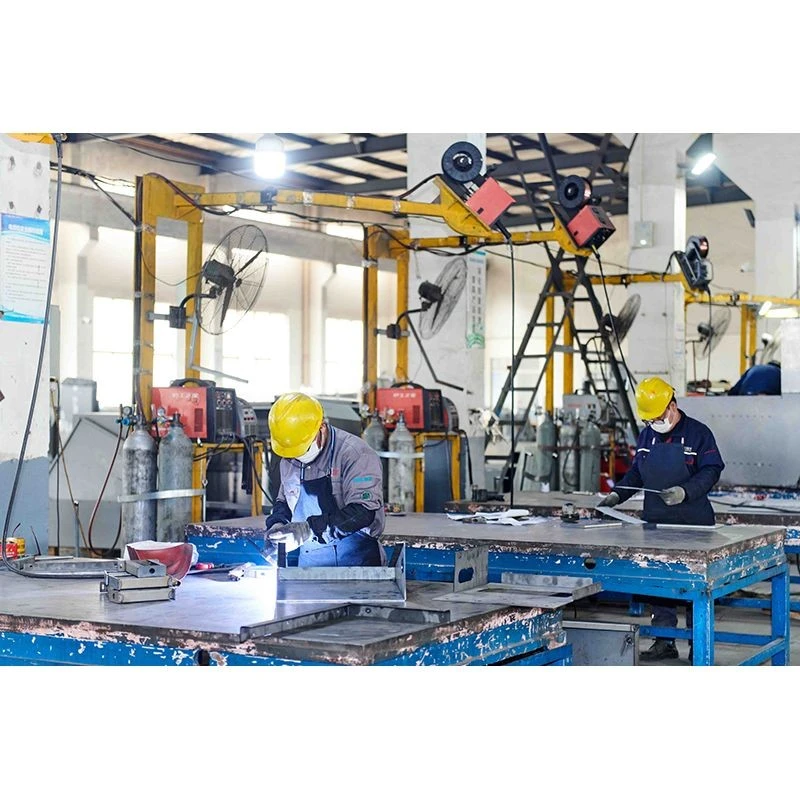
In addition to re-stuffing, we also offer a range of other services, including Pipe Cutting Machine Base, Bending Machine, and Welding for any structural repairs or modifications that your saddle seat may require.
Contact Us for Purchase and Consultation
If you are considering re-stuffing your saddle seat or are interested in purchasing a new saddle seat, we encourage you to contact us. Our knowledgeable staff can answer any questions you may have and provide you with a free quote. We are committed to providing our customers with the best products and services at competitive prices.
References
- Smith, J. (2018). The Anatomy of a Saddle Seat. Equestrian Journal, 25(3), 45-52.
- Johnson, R. (2019). Choosing the Right Stuffing for Your Saddle Seat. Horse and Rider Magazine, 32(2), 67-74.
- Brown, A. (2020). Maintaining Your Saddle Seat for Optimal Performance. Equine Care Guide, 18(4), 89-96.