

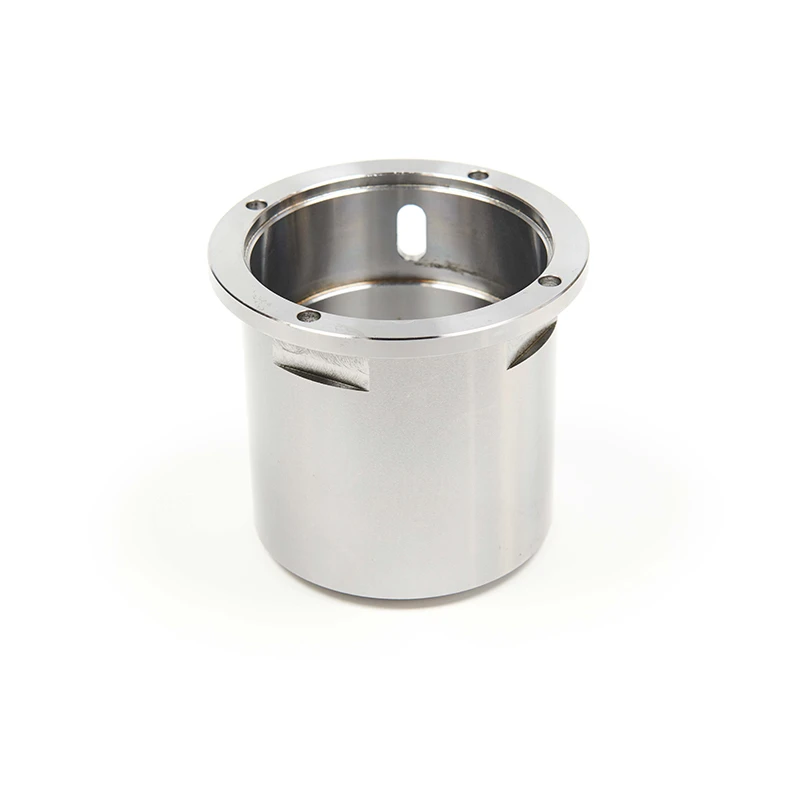
A shaft sleeve is a crucial component in a shaft system, and its impact on the startup and shutdown processes cannot be underestimated. As a shaft sleeve supplier, I have witnessed firsthand how the right shaft sleeve can enhance the performance and reliability of a shaft system during these critical phases. In this blog, I will delve into the various ways a shaft sleeve affects the startup and shutdown of a shaft system.
Impact on Startup
Reducing Friction and Wear
During startup, the shaft begins to rotate from a stationary position. This sudden movement can generate significant friction between the shaft and its housing. A well - designed shaft sleeve acts as a buffer, reducing the direct contact between the shaft and the housing. It is typically made of materials with low friction coefficients, such as bronze or PTFE - lined materials. For example, bronze shaft sleeves have excellent self - lubricating properties, which can minimize the frictional force during startup. This not only allows the shaft to start rotating more smoothly but also reduces the wear on both the shaft and the housing, extending their service life.
Ensuring Proper Alignment
Proper alignment is essential for the smooth startup of a shaft system. A shaft sleeve helps in maintaining the correct alignment of the shaft within the housing. It provides a precise inner diameter that matches the shaft's outer diameter, guiding the shaft to rotate in a straight and centered path. If the shaft is not properly aligned during startup, it can lead to uneven loading, vibration, and premature failure of the system. The shaft sleeve acts as a guide, ensuring that the shaft starts rotating in the correct position, which is especially important in high - precision applications.
Absorbing Shock and Vibration
Startup can sometimes cause shock and vibration in the shaft system, especially in systems with high - inertia loads. A shaft sleeve can absorb these shocks and vibrations to some extent. It acts as a damping element, reducing the impact forces transmitted to the shaft and other components of the system. For instance, elastomeric shaft sleeves can effectively dampen vibrations, providing a more stable startup process. This is beneficial for the overall stability and reliability of the shaft system, as excessive vibrations can damage the shaft, bearings, and other associated parts.
Impact on Shutdown
Controlling Deceleration
When the shaft system is shutting down, the shaft needs to decelerate gradually. A shaft sleeve can play a role in controlling this deceleration process. By providing a consistent frictional force, it can help slow down the shaft in a controlled manner. This is important to prevent sudden stops, which can cause damage to the system due to the high - impact forces generated. For example, in some applications, a shaft sleeve with a specific friction characteristic can be used to ensure that the shaft decelerates at a safe and appropriate rate, protecting the integrity of the entire shaft system.
Preventing Reverse Rotation
In certain shaft systems, there is a risk of reverse rotation during shutdown. This can occur due to factors such as residual energy in the system or external forces. A shaft sleeve can be designed to prevent reverse rotation. It can have features such as one - way locking mechanisms or specific surface textures that resist reverse movement. By preventing reverse rotation, the shaft sleeve protects the system from potential damage, such as gear tooth breakage or damage to the bearings caused by reverse loading.
Protecting the Shaft and Housing
During shutdown, the shaft comes to a stop, and there may be some residual movement or settling within the system. A shaft sleeve continues to protect the shaft and the housing during this phase. It prevents direct contact between the shaft and the housing when the system is in a static state, reducing the risk of corrosion and surface damage. Additionally, it can help maintain the cleanliness of the shaft and the housing by preventing the ingress of contaminants, which is important for the long - term performance of the system.
Different Types of Shaft Sleeves and Their Effects
Metal Shaft Sleeves
Metal shaft sleeves, such as those made of steel, bronze, or aluminum, are commonly used in shaft systems. Steel shaft sleeves are known for their high strength and durability. They can withstand high loads and are suitable for heavy - duty applications. During startup and shutdown, steel shaft sleeves provide a rigid and stable support for the shaft, ensuring proper alignment and reducing the risk of deformation. Bronze shaft sleeves, on the other hand, have excellent self - lubricating properties. They can reduce friction during startup and shutdown, making the processes smoother and more efficient. Aluminum shaft sleeves are lightweight and have good corrosion resistance. They are often used in applications where weight is a concern, and they can contribute to a more energy - efficient startup and shutdown process.
Plastic Shaft Sleeves
Plastic shaft sleeves, such as those made of PTFE, nylon, or acetal, offer unique advantages. PTFE shaft sleeves have an extremely low friction coefficient, which is ideal for applications where smooth startup and shutdown are required. They can significantly reduce the energy consumption during these processes. Nylon shaft sleeves are known for their toughness and wear resistance. They can withstand repeated startup and shutdown cycles without significant damage. Acetal shaft sleeves have good dimensional stability and can maintain their shape even under varying temperature and humidity conditions, ensuring consistent performance during startup and shutdown.
Composite Shaft Sleeves
Composite shaft sleeves combine the properties of different materials to achieve optimal performance. For example, a composite shaft sleeve may consist of a metal core with a plastic or rubber outer layer. The metal core provides strength and rigidity, while the outer layer offers low friction, shock absorption, or other specific properties. Composite shaft sleeves can be customized to meet the specific requirements of a shaft system, enhancing the startup and shutdown performance in a variety of applications.
Case Studies
Industrial Pump Application
In an industrial pump application, the startup and shutdown of the shaft system are critical for the overall performance of the pump. A well - selected shaft sleeve can make a significant difference. For instance, in a high - pressure pump, a bronze shaft sleeve was used. During startup, the self - lubricating property of the bronze sleeve allowed the shaft to start rotating smoothly, reducing the initial power consumption. During shutdown, the sleeve helped control the deceleration of the shaft, preventing water hammer effects that could damage the pump. This led to a more reliable and efficient pump operation, with reduced maintenance costs.

Automotive Transmission System
In an automotive transmission system, the shaft sleeve plays an important role in ensuring smooth gear shifting during startup and shutdown. A PTFE - lined shaft sleeve was used in a particular transmission design. The low friction coefficient of the PTFE lining allowed for easy engagement and disengagement of the gears during startup and shutdown. This resulted in a smoother driving experience, reduced wear on the gears, and improved fuel efficiency.
Conclusion
In conclusion, a shaft sleeve has a profound impact on the startup and shutdown of a shaft system. It affects various aspects such as friction, alignment, shock absorption, deceleration control, and protection of the shaft and housing. As a shaft sleeve supplier, I understand the importance of providing high - quality shaft sleeves that are tailored to the specific needs of different applications. Whether it is a Shaft Sleeve for a high - precision industrial machine or a Pipeline Pressure Block in a pipeline system, or a Vertical Machining Center Motor Seat, we have the expertise and products to meet your requirements.
If you are looking for a reliable shaft sleeve supplier for your shaft system, I encourage you to contact us for a detailed discussion. We can help you select the most suitable shaft sleeve for your application, ensuring optimal performance during startup and shutdown, as well as long - term reliability.
References
- "Mechanical Design Handbook", McGraw - Hill
- "Shaft and Bearing Design", John Wiley & Sons
- Industry research reports on shaft system components