

Hey there! As a belt pulley supplier, I've seen firsthand how crucial timing belt pulleys are in ensuring accurate timing in various mechanical systems. In this blog, I'm gonna break down how these nifty little components do their job and why they're so important.
What's a Timing Belt Pulley Anyway?
Before we dive into how it ensures accurate timing, let's quickly go over what a timing belt pulley is. Simply put, it's a wheel with teeth or grooves on its outer edge. It works in tandem with a timing belt, which is a toothed belt. The teeth on the pulley and the belt mesh together, allowing the pulley to transfer rotational motion from one part of a machine to another.
The Basics of Timing in Mechanical Systems
Timing is super important in mechanical systems. Think about an engine, for example. The pistons need to move up and down at just the right time, and the valves need to open and close in sync. If the timing is off, the engine won't run smoothly, and it could even cause some serious damage. That's where timing belt pulleys come in.
How Timing Belt Pulleys Ensure Accurate Timing
1. Precise Tooth Design
The teeth on a timing belt pulley are designed with extreme precision. They have a specific shape and size that matches the teeth on the timing belt. This precise matching ensures that the belt and the pulley mesh together perfectly. When the pulley rotates, each tooth on the belt fits snugly into the corresponding groove on the pulley. This prevents any slippage between the belt and the pulley, which is crucial for maintaining accurate timing.
For instance, in a car engine, the timing belt pulley is responsible for synchronizing the rotation of the crankshaft and the camshaft. If the teeth on the pulley were not designed correctly, the belt could slip, causing the valves to open and close at the wrong time. This could lead to poor engine performance, reduced fuel efficiency, and even engine failure.
2. Proper Tensioning
Another key factor in ensuring accurate timing is proper tensioning of the timing belt. The timing belt pulley is designed to work with a specific amount of tension on the belt. If the belt is too loose, it can slip on the pulley, causing timing issues. On the other hand, if the belt is too tight, it can put excessive stress on the pulley and other components, leading to premature wear and failure.
Most modern timing belt systems have a tensioner that automatically adjusts the tension of the belt as it stretches over time. This helps to maintain the correct tension and ensures accurate timing throughout the life of the belt.
3. High-Quality Materials
Timing belt pulleys are typically made from high-quality materials such as steel, aluminum, or plastic. These materials are chosen for their strength, durability, and resistance to wear and corrosion. Using high-quality materials ensures that the pulley can withstand the high speeds and forces involved in mechanical systems without deforming or wearing out.
For example, in industrial machinery, timing belt pulleys are often subjected to heavy loads and high temperatures. A pulley made from a low-quality material would quickly wear out or break, leading to costly downtime and repairs. By using high-quality materials, we can ensure that our timing belt pulleys provide reliable and accurate timing for years to come.
4. Balanced Design
A well-balanced timing belt pulley is essential for smooth operation and accurate timing. When a pulley is unbalanced, it can cause vibrations and uneven wear on the belt and other components. These vibrations can also lead to timing errors and reduced performance.
To ensure balance, timing belt pulleys are carefully machined and tested during the manufacturing process. Any imbalances are corrected by adding or removing material from the pulley. This results in a pulley that rotates smoothly and evenly, minimizing vibrations and ensuring accurate timing.
Applications of Timing Belt Pulleys
Timing belt pulleys are used in a wide variety of applications, including:
- Automotive Engines: As mentioned earlier, timing belt pulleys are used in car engines to synchronize the rotation of the crankshaft and the camshaft. This ensures that the valves open and close at the correct time, allowing the engine to run smoothly and efficiently.
- Industrial Machinery: Timing belt pulleys are used in many types of industrial machinery, such as conveyor systems, printing presses, and packaging machines. They help to transfer power and maintain accurate timing between different components of the machine.
- Robotics: In robotics, timing belt pulleys are used to control the movement of robotic arms and other components. They ensure that the robot moves with precision and accuracy, allowing it to perform complex tasks.
- Home Appliances: Timing belt pulleys are also used in some home appliances, such as washing machines and dryers. They help to control the rotation of the drum and other components, ensuring that the appliance operates smoothly and efficiently.
Our Belt Pulley Products
As a belt pulley supplier, we offer a wide range of timing belt pulleys to meet the needs of different applications. Our pulleys are made from high-quality materials and are designed to provide reliable and accurate timing.
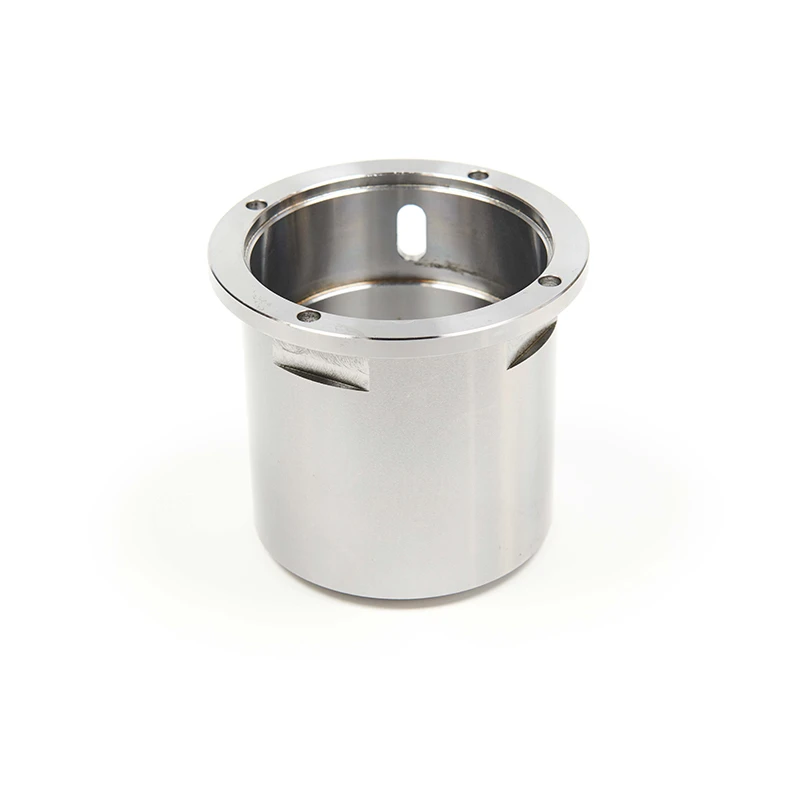

We also offer custom-made belt pulleys to meet the specific requirements of our customers. Whether you need a pulley with a unique tooth design, size, or material, we can work with you to create a solution that meets your needs.
Some of our other products include Vertical Machining Center Motor Seat, Bearing Seat, and Shaft Sleeve. These products are also designed with precision and made from high-quality materials to ensure reliable performance.
Why Choose Us?
- Quality Assurance: We have a strict quality control system in place to ensure that all our products meet the highest standards of quality. Our timing belt pulleys are tested thoroughly before they are shipped to our customers to ensure that they provide accurate timing and reliable performance.
- Competitive Pricing: We offer our products at competitive prices without compromising on quality. We understand that cost is an important factor for our customers, and we strive to provide the best value for money.
- Excellent Customer Service: Our team of experienced professionals is dedicated to providing excellent customer service. We are always available to answer your questions and help you find the right belt pulley for your application.
Contact Us for Procurement and洽谈
If you're in the market for timing belt pulleys or any of our other products, we'd love to hear from you. Whether you have a specific project in mind or just want to learn more about our products, feel free to reach out. We're here to help you find the best solutions for your mechanical systems. Let's work together to ensure accurate timing and reliable performance in your applications.
References
- "Mechanical Engineering Design" by Joseph E. Shigley, Charles R. Mischke, and Richard G. Budynas.
- "Automotive Engine Design" by Richard Stone and Ronald Woods.
- "Industrial Machinery Handbook" by Eugene A. Avallone and Theodore Baumeister III.