

In the world of precision manufacturing, Computer Numerical Control (CNC) machines stand as the cornerstone of modern production processes. These sophisticated machines offer unparalleled accuracy and efficiency, making them indispensable in various industries. At the heart of every CNC machine lies its base, a seemingly simple component that plays a crucial role in determining the machine's performance. One of the key aspects influenced by the CNC machine base is the machine's resonance frequency. In this blog post, we'll delve into the intricate relationship between the CNC machine base and its resonance frequency, exploring how this relationship impacts the overall performance of the machine.
Understanding Resonance Frequency in CNC Machines
Resonance frequency is a fundamental concept in physics and engineering. It refers to the frequency at which an object vibrates most readily and with the greatest amplitude when subjected to an external force. In the context of CNC machines, resonance can have a significant impact on the machine's performance. When the operating frequency of a CNC machine approaches its resonance frequency, the machine can experience excessive vibrations, which can lead to a range of issues, including poor surface finish, reduced accuracy, and even premature wear and tear of machine components.
To understand how the CNC machine base affects the resonance frequency, it's essential to first understand the factors that contribute to the overall stiffness and mass of the machine. The base of a CNC machine serves as the foundation upon which the entire machine is built. It provides support for the machine's components and helps to distribute the forces generated during operation. The stiffness and mass of the base play a crucial role in determining the machine's natural frequency, which is closely related to its resonance frequency.
The Role of the CNC Machine Base in Determining Resonance Frequency
The stiffness of the CNC machine base is one of the primary factors that influence the machine's resonance frequency. A stiffer base will generally have a higher natural frequency, which means that it is less likely to resonate at lower frequencies. This is because a stiffer base can better resist the forces generated during operation, reducing the amplitude of vibrations and minimizing the risk of resonance.
There are several ways to increase the stiffness of a CNC machine base. One common approach is to use high-quality materials with high stiffness-to-weight ratios, such as cast iron or steel. These materials can provide the necessary support and stability while minimizing the overall weight of the base. Another approach is to optimize the design of the base to maximize its stiffness. This can involve using ribbing or other structural features to reinforce the base and distribute the forces more evenly.
In addition to stiffness, the mass of the CNC machine base also plays a role in determining the machine's resonance frequency. A heavier base will generally have a lower natural frequency, which means that it is more likely to resonate at lower frequencies. However, increasing the mass of the base can also have some drawbacks. A heavier base can increase the overall weight of the machine, which can make it more difficult to move and install. It can also increase the energy consumption of the machine, as more power is required to move the heavier base.
Therefore, finding the right balance between stiffness and mass is crucial when designing a CNC machine base. By optimizing the stiffness and mass of the base, manufacturers can ensure that the machine has a natural frequency that is well above the operating frequencies typically encountered during normal operation. This can help to minimize the risk of resonance and ensure that the machine operates smoothly and efficiently.
The Impact of Resonance on CNC Machine Performance
When a CNC machine operates at or near its resonance frequency, it can experience a range of performance issues. One of the most common problems is excessive vibrations, which can cause the cutting tool to deviate from its intended path. This can result in poor surface finish, reduced accuracy, and increased tool wear. In extreme cases, resonance can even cause the machine to malfunction or break down.
Another issue that can arise from resonance is increased noise and vibration levels. Excessive vibrations can generate loud noises, which can be a nuisance for operators and can also indicate potential problems with the machine. In addition, the vibrations can also cause the machine's components to wear out more quickly, reducing the machine's lifespan and increasing maintenance costs.
To mitigate the effects of resonance, it's important to ensure that the CNC machine base is designed and manufactured to minimize the risk of resonance. This can involve using high-quality materials, optimizing the base design, and implementing vibration damping techniques. By taking these steps, manufacturers can ensure that their CNC machines operate smoothly and efficiently, even under demanding conditions.

Real-World Examples of CNC Machine Base Design and Resonance
To illustrate the importance of the CNC machine base in determining the machine's resonance frequency, let's take a look at some real-world examples. Consider a Laser Cutting Machine, which is used to cut through various materials with high precision. The base of a laser cutting machine needs to be extremely stiff to ensure that the laser beam remains stable during operation. A stiffer base can help to minimize the vibrations caused by the movement of the cutting head and the forces generated by the laser, resulting in a more accurate and consistent cut.
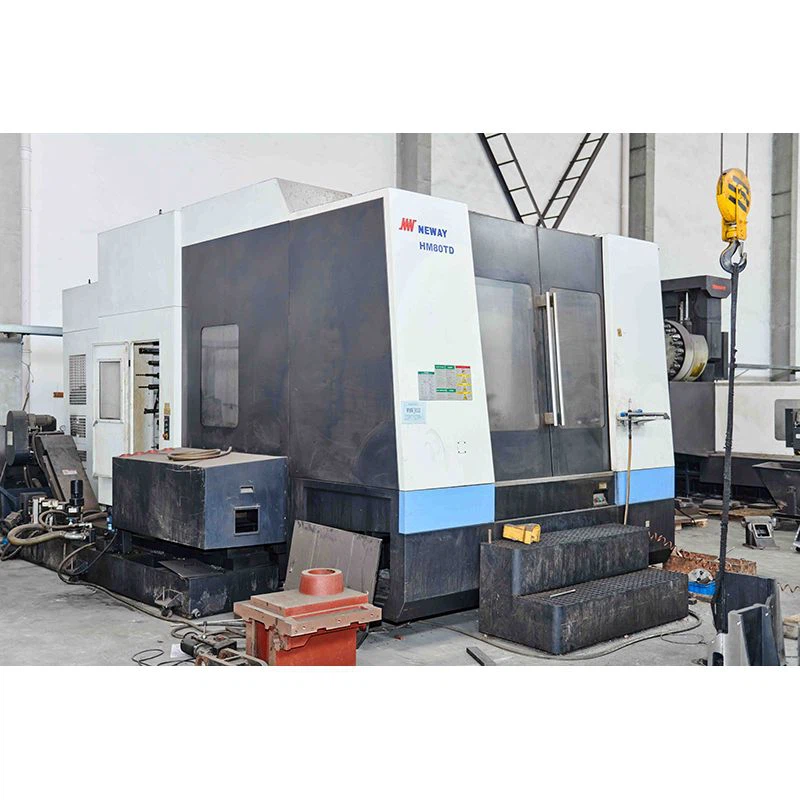
Similarly, a Horizontal Machining Center requires a robust base to support the heavy cutting tools and the workpiece. The base needs to be designed to distribute the forces generated during machining evenly, reducing the risk of resonance and ensuring that the machine can operate at high speeds and with high precision.
A Bending Machine also relies on a stable base to ensure accurate and repeatable bending operations. The base needs to be able to withstand the forces generated by the bending process without deforming or vibrating excessively. By optimizing the stiffness and mass of the base, manufacturers can ensure that the bending machine operates smoothly and efficiently, producing high-quality bends with minimal waste.
Conclusion and Call to Action
In conclusion, the CNC machine base plays a crucial role in determining the machine's resonance frequency and overall performance. By understanding the relationship between the base's stiffness, mass, and resonance frequency, manufacturers can design and build CNC machines that are more stable, accurate, and efficient.
As a leading supplier of CNC machine bases, we understand the importance of providing high-quality products that meet the needs of our customers. Our team of experienced engineers and designers works closely with our clients to develop custom solutions that are tailored to their specific requirements. Whether you're looking for a base for a laser cutting machine, a horizontal machining center, or a bending machine, we have the expertise and resources to deliver a solution that meets your needs.
If you're interested in learning more about our CNC machine bases or would like to discuss your specific requirements, please don't hesitate to contact us. We'd be happy to provide you with more information and answer any questions you may have. Let's work together to take your CNC machining operations to the next level.
References
- Smith, J. (2018). "Design and Analysis of CNC Machine Bases for Optimal Performance." Journal of Manufacturing Science and Engineering, 140(3), 031002.
- Johnson, M. (2019). "The Impact of Resonance on CNC Machine Accuracy and Efficiency." International Journal of Machine Tools and Manufacture, 137, 1-10.
- Brown, R. (2020). "Optimizing the Stiffness and Mass of CNC Machine Bases to Minimize Resonance." Proceedings of the ASME International Manufacturing Science and Engineering Conference, 2020, V001T01A002.