

In the world of precision manufacturing, Computer Numerical Control (CNC) machines stand as the cornerstone of modern production processes. At the heart of these remarkable machines lies a crucial component: the CNC machine base. As a seasoned supplier of CNC machine bases, I've witnessed firsthand the pivotal role these bases play in supporting the spindle, a key element responsible for the machine's cutting and shaping capabilities. In this blog post, I'll delve into the intricate details of how the CNC machine base supports the spindle, highlighting the engineering marvels and technological advancements that make this symbiotic relationship possible.
The Foundation of Stability: Structural Integrity
The CNC machine base serves as the foundation upon which the entire machine operates. It provides a stable platform for the spindle, ensuring that it can perform its tasks with precision and accuracy. The base is typically constructed from high-strength materials such as cast iron or steel, which offer excellent rigidity and damping properties. These materials help to absorb vibrations generated during the machining process, preventing them from being transferred to the spindle and affecting its performance.
One of the primary functions of the CNC machine base is to provide a solid mounting surface for the spindle. The base is designed with precision-machined surfaces and mounting holes that allow the spindle to be securely attached. This ensures that the spindle remains in a fixed position relative to the machine's worktable, minimizing any potential for movement or misalignment. By maintaining a stable and accurate position, the base enables the spindle to cut and shape materials with consistent precision, resulting in high-quality finished products.
Load Distribution: Balancing the Forces
During the machining process, the spindle is subjected to a variety of forces, including cutting forces, gravitational forces, and inertial forces. These forces can exert significant stress on the spindle and its supporting components, potentially leading to premature wear and failure. The CNC machine base plays a crucial role in distributing these forces evenly across its structure, reducing the stress on the spindle and ensuring its long-term reliability.
The design of the CNC machine base is carefully engineered to optimize load distribution. It features a robust frame and a series of internal ribs and supports that help to transfer the forces from the spindle to the ground. By spreading the load over a larger area, the base minimizes the concentration of stress at any one point, reducing the risk of structural damage. Additionally, the base is often designed with a low center of gravity, which helps to improve stability and reduce the effects of vibrations.
Thermal Management: Controlling the Heat
Another critical factor in the performance of the spindle is temperature control. During the machining process, the spindle generates a significant amount of heat due to friction and the cutting process. Excessive heat can cause the spindle to expand, leading to dimensional changes and loss of precision. It can also damage the spindle's bearings and other components, reducing its lifespan and reliability.
The CNC machine base plays a vital role in managing the heat generated by the spindle. It is often equipped with a cooling system, such as a liquid coolant or an air cooling system, which helps to dissipate the heat and maintain a stable operating temperature. The base is also designed with heat dissipation fins and other features that increase the surface area available for heat transfer, further enhancing the cooling efficiency. By controlling the temperature of the spindle, the base ensures that it can operate at optimal performance levels, delivering consistent precision and quality.
Alignment and Adjustment: Ensuring Precision
Maintaining proper alignment between the spindle and the machine's worktable is essential for achieving accurate machining results. Over time, however, the spindle may become misaligned due to factors such as wear, vibration, or thermal expansion. The CNC machine base is designed to allow for easy alignment and adjustment of the spindle, ensuring that it remains in the correct position relative to the worktable.
Many CNC machine bases feature adjustable mounts or leveling feet that allow the base to be precisely positioned and leveled. This enables the operator to compensate for any unevenness in the floor or other installation surfaces, ensuring that the machine is stable and level. Additionally, the base may be equipped with a system for aligning the spindle, such as a laser alignment tool or a precision measuring device. By using these tools, the operator can ensure that the spindle is aligned correctly with the worktable, minimizing any potential for errors or inaccuracies.
Technological Advancements: Innovations in Support
In recent years, there have been significant advancements in the design and technology of CNC machine bases. These innovations have led to improved performance, reliability, and precision, making CNC machines more capable and efficient than ever before.
One of the key advancements in CNC machine base technology is the use of advanced materials and manufacturing processes. For example, some manufacturers are now using composite materials, such as carbon fiber reinforced polymers, to construct their machine bases. These materials offer excellent strength-to-weight ratios, high stiffness, and low thermal expansion coefficients, making them ideal for use in high-precision applications. Additionally, advanced manufacturing processes, such as Welding and Laser Cutting Machine, are being used to create more complex and precise base designs, further enhancing their performance and functionality.
Another area of innovation in CNC machine base technology is the integration of smart sensors and monitoring systems. These systems can continuously monitor the performance of the machine base and the spindle, providing real-time data on factors such as temperature, vibration, and load. This data can be used to detect potential problems early on, allowing for proactive maintenance and repair, and minimizing downtime. Additionally, the sensors can be used to optimize the performance of the machine, adjusting the cutting parameters in real-time to ensure the best possible results.
Conclusion: The Key to Precision Manufacturing
In conclusion, the CNC machine base plays a vital role in supporting the spindle and ensuring the precision and reliability of CNC machines. By providing a stable platform, distributing loads evenly, managing heat, and allowing for alignment and adjustment, the base enables the spindle to perform its tasks with consistent accuracy and efficiency. As a supplier of CNC machine bases, I'm proud to be part of an industry that is constantly pushing the boundaries of technology and innovation. Our products are designed to meet the highest standards of quality and performance, and we're committed to providing our customers with the best possible solutions for their manufacturing needs.
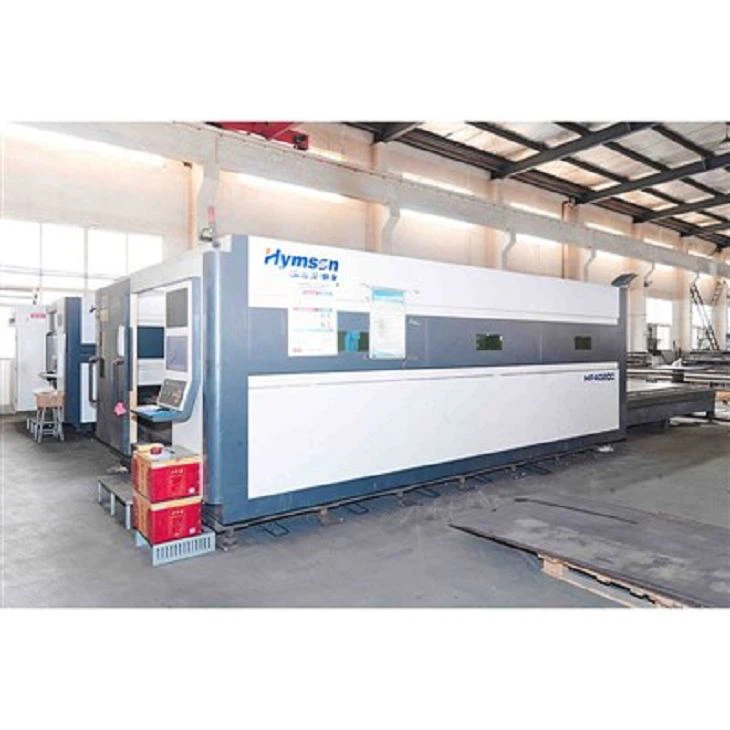

If you're in the market for a CNC machine base or have any questions about our products and services, I encourage you to [contact us](contact link placeholder). Our team of experts is available to answer your questions, provide technical support, and help you find the right solution for your specific requirements. Let's work together to take your manufacturing capabilities to the next level.
References
- Smith, J. (2020). CNC Machine Technology: Principles and Applications. McGraw-Hill Education.
- Jones, A. (2019). Precision Manufacturing: Techniques and Processes. Wiley.
- Brown, R. (2018). Machine Tool Design and Operation. CRC Press.