

Hey there, fellow equestrians and saddle enthusiasts! As a saddle seat supplier, I get asked a ton of questions about our products. One of the most common ones is, "How long does a saddle seat last?" Well, let's dive right into it and break down the factors that can affect the lifespan of a saddle seat.
Quality of Materials
First off, the materials used to make the saddle seat play a huge role in how long it'll last. High - quality leather, for example, is going to be more durable than lower - grade stuff. Good leather can withstand the wear and tear of regular use, resist moisture, and maintain its shape over time. When we source leather for our saddle seats, we look for hides that are thick, supple, and have a tight grain. This kind of leather is less likely to crack or tear, which means your saddle seat will stay in good condition for longer.
On the other hand, if a saddle seat is made with cheap, thin leather, it might start showing signs of wear after just a few rides. The stitching can come loose, the leather can stretch out of shape, and you'll end up having to replace it sooner rather than later. So, always pay attention to the quality of materials when you're buying a saddle seat.
Frequency of Use
How often you use your saddle seat is another major factor. If you're an avid rider who hits the trails or the arena every day, your saddle seat is going to take a lot more abuse than if you only ride once a week. The constant pressure from your body, the movement of the horse, and the friction can all wear down the saddle seat over time.
For daily riders, a well - made saddle seat might last anywhere from 5 to 10 years. But for those who ride less frequently, say once or twice a month, the same saddle seat could last 15 years or more. It's all about how much stress you're putting on the saddle seat.
Maintenance
Proper maintenance is key to extending the life of your saddle seat. Regular cleaning and conditioning are essential. You should clean your saddle seat after every few rides to remove dirt, sweat, and grime. Use a mild leather cleaner and a soft brush to gently scrub the surface. Then, apply a good quality leather conditioner to keep the leather soft and supple.
Neglecting maintenance can lead to all sorts of problems. Dirt and sweat can accumulate in the leather, causing it to dry out and crack. The stitching can also weaken, and the padding can become compressed. By taking the time to care for your saddle seat, you can significantly increase its lifespan.
Riding Style
Your riding style can also impact how long a saddle seat lasts. If you're a rough rider who makes sudden movements or puts a lot of pressure on the saddle, it's going to wear out faster. For example, if you're into jumping or barrel racing, your saddle seat will experience more stress than if you're just going for a leisurely trail ride.
Riders who have a smooth, balanced riding style tend to put less strain on their saddle seats. They distribute their weight evenly, which reduces the pressure on specific areas of the saddle. So, working on your riding technique can not only improve your performance but also help your saddle seat last longer.
Storage
How you store your saddle seat when you're not using it is important too. You should always store your saddle in a cool, dry place. Avoid leaving it in direct sunlight or in a damp environment. Sunlight can cause the leather to fade and dry out, while moisture can lead to mold and mildew growth.
A good way to store your saddle is on a saddle rack. This helps it maintain its shape and prevents it from getting misshapen. You can also cover it with a saddle cover to protect it from dust and dirt.
Industry Standards and Product Innovations
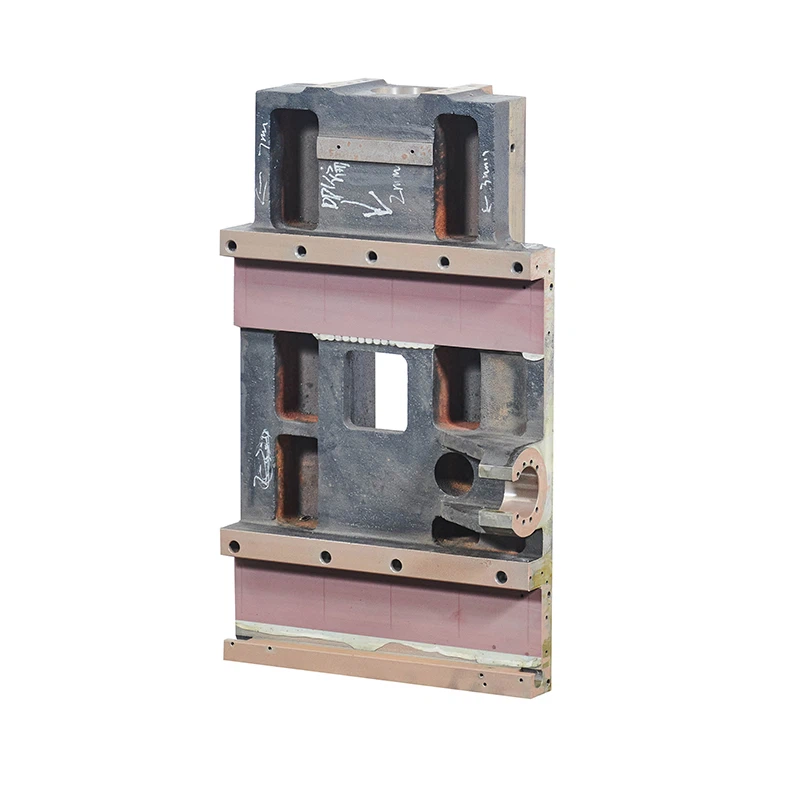
In the saddle - making industry, there are always new materials and manufacturing techniques being developed. Some companies are using synthetic materials that are designed to be more durable and resistant to wear and tear than traditional leather. For example, Precision Gantry Mill technology is being used in some manufacturing processes to create more precise and long - lasting saddle components.
Laser Cutting Machine technology is also being employed to cut materials with great accuracy, which can improve the overall quality of the saddle seat. And CNC Lathe Saddle technology ensures that the parts of the saddle are made to exact specifications, resulting in a more stable and durable product.
Signs That It's Time to Replace Your Saddle Seat
Even with the best care, there comes a time when you'll need to replace your saddle seat. Some signs that it's time for a new one include:
- Visible damage: If you notice cracks, tears, or significant wear on the leather, it's probably time to replace the saddle seat.
- Loss of shape: A saddle seat that has lost its shape can be uncomfortable and unsafe. If it no longer supports your body properly, it's time for a change.
- Uncomfortable padding: If the padding has become compressed and is no longer providing adequate cushioning, you'll feel it when you ride. This is a clear sign that the saddle seat needs to be replaced.
Our Saddle Seats and Their Lifespan
At our company, we take pride in providing high - quality saddle seats. We use only the best materials and the latest manufacturing techniques to ensure that our saddle seats last as long as possible. Based on customer feedback and our own testing, our saddle seats can last anywhere from 10 to 15 years with proper care and regular use.
We also offer a range of saddle seats to suit different riding styles and budgets. Whether you're a beginner or a professional rider, we have a saddle seat that's right for you.

Conclusion
So, how long does a saddle seat last? Well, it depends on a variety of factors, including the quality of materials, frequency of use, maintenance, riding style, and storage. With proper care and a high - quality saddle seat, you can expect it to last anywhere from 5 to 15 years or more.
If you're in the market for a new saddle seat, or if you have any questions about our products, don't hesitate to get in touch. We're here to help you find the perfect saddle seat for your needs. Contact us today to start the conversation about your next saddle seat purchase.
References
- "The Complete Guide to Saddle Care" by Equestrian Press
- "Saddle Making: Art and Science" by Saddle Makers Association