

Hey there! As a gland supplier, I often get asked all sorts of questions about glands. One of the most common ones is about salivary glands. So, today, I'm gonna dive into the topic of how many salivary glands there are and give you all the deets.
First off, let's talk about what salivary glands actually do. These little guys play a super important role in our bodies. They produce saliva, which helps with chewing, swallowing, and even starts the digestion process. Saliva also keeps our mouths moist and helps prevent tooth decay by washing away food particles and bacteria.
So, how many salivary glands are there? Well, there are three major pairs of salivary glands in the human body, and then there are also numerous minor salivary glands.
The Major Salivary Glands
Parotid Glands
The parotid glands are the largest of the major salivary glands. They're located in front of each ear, kind of in that area where your jaw hinges. These glands produce a watery type of saliva that's rich in enzymes. When you think about the classic image of someone's mouth watering at the sight of delicious food, a lot of that initial saliva is coming from the parotid glands.
The parotid glands are connected to the mouth by the parotid duct, which opens up inside the cheek, usually opposite the second upper molar. This duct allows the saliva to flow from the gland into the mouth, where it can do its job.
Submandibular Glands
Next up are the submandibular glands. These are found beneath the lower jaw, on either side. They produce a mixture of watery and mucous saliva. The submandibular glands are also connected to the mouth via a duct, called the submandibular duct. This duct opens up under the tongue, near the frenulum (that little piece of tissue that connects the tongue to the floor of the mouth).
The submandibular glands are constantly producing saliva, even when we're not eating. This helps keep our mouths moist throughout the day.
Sublingual Glands
The sublingual glands are the smallest of the major salivary glands. They're located under the tongue, right in the floor of the mouth. These glands mainly produce a mucous-type saliva, which is thicker than the saliva from the parotid and submandibular glands.
The sublingual glands have multiple small ducts that open up directly into the floor of the mouth. This allows the saliva to be released in a more dispersed way, helping to keep the entire area under the tongue lubricated.
The Minor Salivary Glands
In addition to the three major pairs of salivary glands, there are also hundreds of minor salivary glands scattered throughout the mouth and throat. These are much smaller and less well-known than the major glands, but they still play an important role in saliva production.
The minor salivary glands can be found in the lips, cheeks, palate, and tongue. They produce a continuous, small amount of saliva that helps keep the lining of the mouth moist and protected. Each minor salivary gland has its own tiny duct that opens directly onto the surface of the oral mucosa.
Why Does It Matter?
You might be wondering why it's important to know about all these salivary glands. Well, for one thing, understanding how they work can help us take better care of our oral health. If something goes wrong with one of the salivary glands, it can lead to problems like dry mouth, salivary gland infections, or blockages in the ducts.
For example, if a salivary gland gets infected, it can cause swelling, pain, and difficulty opening the mouth or swallowing. In some cases, a blockage in a salivary duct can lead to the formation of a salivary stone, which can also be very painful.
As a gland supplier, I know how crucial it is to have healthy salivary glands. That's why I'm always looking for ways to support the proper functioning of these glands. Whether it's through providing high-quality products or sharing information about oral health, I'm committed to helping people keep their salivary glands in top shape.
Our Product Range
At our company, we offer a wide range of products related to gland health and function. We have Transmission Accessories that can be used in various applications to ensure smooth operation. Our Shaft Sleeve products are designed to provide reliable support and protection. And our Cover Plate options are great for keeping components safe and secure.

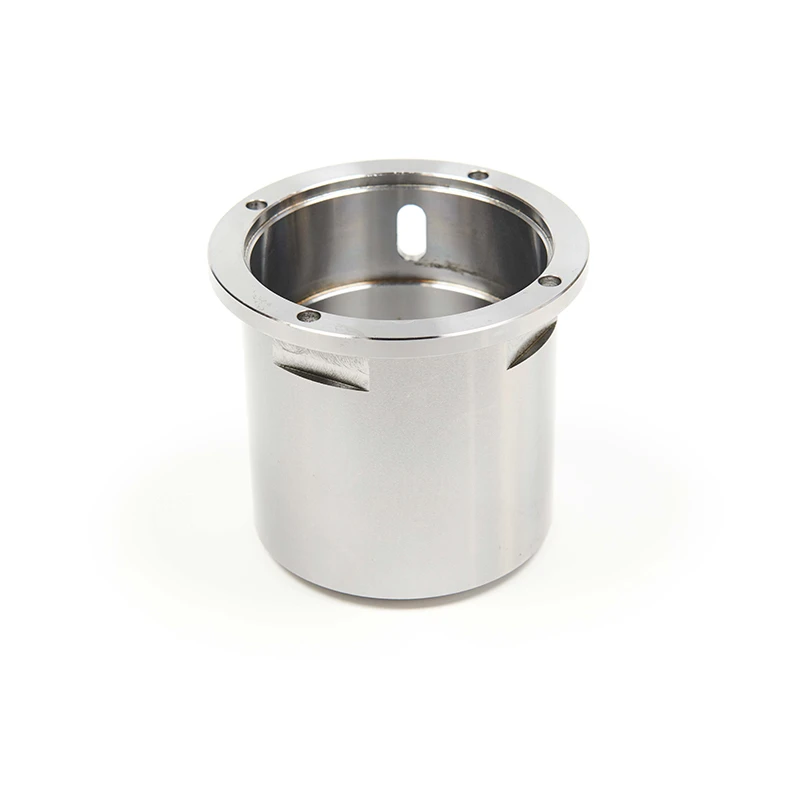
If you're in the market for gland-related products, we'd love to hear from you. Whether you're a dental professional, a researcher, or just someone interested in maintaining good oral health, we have the products and expertise to meet your needs.
Let's Connect
If you have any questions about our products or about salivary glands in general, don't hesitate to reach out. We're here to help you find the right solutions for your specific situation. Whether you're looking for a particular product or just want some advice, our team is ready to assist you.
So, if you're interested in learning more or making a purchase, feel free to get in touch. We're excited to work with you and help you achieve your goals when it comes to gland health and function.
References
- Tortora, G. J., & Derrickson, B. (2017). Principles of Anatomy and Physiology. Wiley.
- Standring, S. (Ed.). (2016). Gray's Anatomy: The Anatomical Basis of Clinical Practice. Elsevier.