

Adjusting the bending speed according to different materials in a bending machine is a crucial aspect of achieving optimal results in metal fabrication. As a supplier of bending machines, I understand the significance of this process and its impact on the quality and efficiency of the bending operation. In this blog post, I will share some insights on how to adjust the bending speed for various materials, ensuring that you get the best performance from your bending machine.
Understanding the Basics of Bending Speed
Before delving into the specifics of adjusting the bending speed for different materials, it is essential to understand the basic principles of bending speed. Bending speed refers to the rate at which the bending machine moves the material through the bending process. It is typically measured in inches per minute (IPM) or millimeters per second (mm/s). The bending speed can significantly affect the quality of the bend, the tooling life, and the overall productivity of the bending operation.
A higher bending speed can increase productivity by reducing the cycle time, but it may also cause issues such as cracking, wrinkling, or springback in the material. On the other hand, a lower bending speed can provide more control over the bending process, resulting in better quality bends, but it may also reduce productivity. Therefore, finding the right balance between speed and quality is crucial when adjusting the bending speed.
Factors Affecting Bending Speed
Several factors can influence the optimal bending speed for different materials. These factors include the material type, thickness, hardness, and the bending radius. Let's take a closer look at each of these factors:
- Material Type: Different materials have different mechanical properties, such as ductility, strength, and hardness. These properties can affect how the material behaves during the bending process and, consequently, the optimal bending speed. For example, softer materials like aluminum and copper are more ductile and can be bent at higher speeds, while harder materials like stainless steel and titanium require slower bending speeds to avoid cracking or breaking.
- Material Thickness: Thicker materials generally require slower bending speeds than thinner materials. This is because thicker materials have more mass and resistance to deformation, which can cause the bending machine to work harder and increase the risk of tooling damage or material failure. As a general rule, the bending speed should be reduced by approximately 50% for every additional 0.0625 inches (1.6 mm) of material thickness.
- Material Hardness: Harder materials are more difficult to bend and require slower bending speeds to avoid cracking or breaking. The hardness of a material is typically measured on the Rockwell or Brinell scale. As a general rule, the bending speed should be reduced by approximately 25% for every 10 points increase in Rockwell hardness.
- Bending Radius: The bending radius is the distance from the center of the bend to the inside surface of the material. A smaller bending radius requires more deformation of the material and, therefore, a slower bending speed. As a general rule, the bending speed should be reduced by approximately 25% for every 0.125 inches (3.2 mm) decrease in bending radius.
Adjusting the Bending Speed for Different Materials
Now that we understand the factors that affect bending speed, let's take a look at how to adjust the bending speed for different materials. Here are some general guidelines for adjusting the bending speed for common materials:
- Aluminum: Aluminum is a soft and ductile material that can be bent at relatively high speeds. For thin aluminum sheets (less than 0.125 inches or 3.2 mm thick), a bending speed of 10 to 20 IPM (254 to 508 mm/min) is typically recommended. For thicker aluminum sheets, the bending speed should be reduced accordingly.
- Copper: Copper is another soft and ductile material that can be bent at high speeds. For thin copper sheets (less than 0.125 inches or 3.2 mm thick), a bending speed of 10 to 20 IPM (254 to 508 mm/min) is typically recommended. For thicker copper sheets, the bending speed should be reduced accordingly.
- Steel: Steel is a harder and stronger material than aluminum and copper and requires slower bending speeds. For mild steel sheets (less than 0.125 inches or 3.2 mm thick), a bending speed of 5 to 10 IPM (127 to 254 mm/min) is typically recommended. For thicker steel sheets or high-strength steel, the bending speed should be reduced further.
- Stainless Steel: Stainless steel is a harder and more corrosion-resistant material than mild steel and requires slower bending speeds. For thin stainless steel sheets (less than 0.125 inches or 3.2 mm thick), a bending speed of 3 to 5 IPM (76 to 127 mm/min) is typically recommended. For thicker stainless steel sheets or high-strength stainless steel, the bending speed should be reduced further.
- Titanium: Titanium is a very strong and lightweight material that requires slow bending speeds. For thin titanium sheets (less than 0.125 inches or 3.2 mm thick), a bending speed of 1 to 3 IPM (25 to 76 mm/min) is typically recommended. For thicker titanium sheets or high-strength titanium, the bending speed should be reduced further.
Using a Bending Machine's Speed Control Features
Most modern bending machines are equipped with speed control features that allow you to adjust the bending speed according to the material type, thickness, and other factors. These features can include variable speed drives, programmable controllers, and touchscreen interfaces. Here are some tips on how to use these features to adjust the bending speed:
- Read the Manual: Before using the speed control features of your bending machine, it is essential to read the manual carefully to understand how they work. The manual will provide detailed instructions on how to adjust the bending speed, as well as any safety precautions or limitations.
- Start Slow: When bending a new material or thickness, it is always a good idea to start with a slow bending speed and gradually increase it until you find the optimal speed. This will help you avoid any potential issues, such as cracking or wrinkling, and ensure that you get the best quality bends.
- Monitor the Process: While bending, it is important to monitor the process closely to ensure that the bending speed is appropriate. If you notice any signs of cracking, wrinkling, or other issues, you may need to reduce the bending speed.
- Make Adjustments as Needed: As you gain more experience with bending different materials and thicknesses, you may need to make adjustments to the bending speed to achieve the best results. This may involve increasing or decreasing the speed based on the specific requirements of the job.
Importance of Proper Tooling and Maintenance
In addition to adjusting the bending speed, using the proper tooling and maintaining your bending machine are also crucial for achieving optimal results. Here are some tips on how to choose the right tooling and maintain your bending machine:
- Choose the Right Tooling: The tooling you use for bending can have a significant impact on the quality of the bend and the overall performance of the bending machine. Make sure to choose tooling that is specifically designed for the material type and thickness you are bending. Using the wrong tooling can cause issues such as cracking, wrinkling, or tooling damage.
- Maintain Your Bending Machine: Regular maintenance of your bending machine is essential for ensuring its optimal performance and longevity. This includes cleaning the machine, lubricating the moving parts, and checking for any signs of wear or damage. Make sure to follow the manufacturer's recommended maintenance schedule and use only genuine parts and lubricants.
- Train Your Operators: Proper training of your operators is also crucial for achieving optimal results with your bending machine. Make sure your operators are familiar with the machine's speed control features, as well as the proper tooling and maintenance procedures. This will help them avoid any potential issues and ensure that they get the best quality bends.
Conclusion
Adjusting the bending speed according to different materials is a crucial aspect of achieving optimal results in metal fabrication. By understanding the factors that affect bending speed, using the proper tooling and maintenance, and training your operators, you can ensure that you get the best performance from your bending machine.
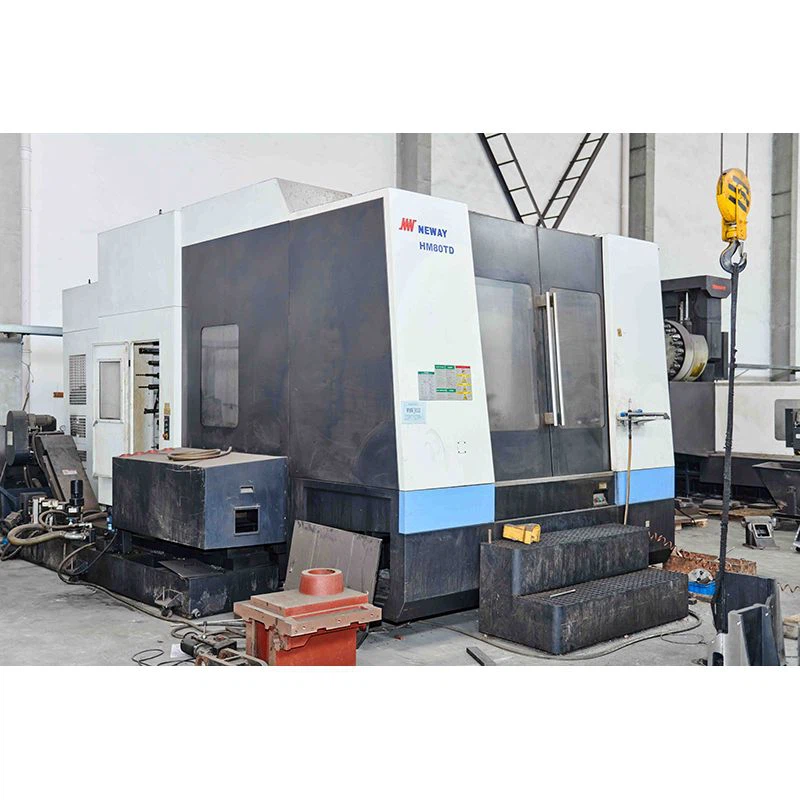

If you are in the market for a bending machine or need further assistance with adjusting the bending speed for different materials, please feel free to contact us for a consultation. Our team of experts is always ready to help you find the right solution for your specific needs.
In addition to bending machines, we also offer a wide range of other metal fabrication equipment, including Horizontal Machining Center, Laser Cutting Machine, and Precision Pipe Cutting Machine Base. Visit our website to learn more about our products and services.
References
- ASM Handbook, Volume 14A: Metalworking: Bulk Forming. ASM International, 2013.
- Bending Handbook. Wila Tooling Systems, 2018.
- The Sheet Metal Workers' Handbook. McGraw-Hill Education, 2016.