

Hey there! As a bending machine supplier, I get asked all the time about how to choose the right bending machine. It's a big decision, and there are a lot of factors to consider. So, I thought I'd put together this blog post to help you navigate the process.
First things first, let's talk about what a bending machine is and what it does. A bending machine is a piece of equipment used to bend metal sheets, tubes, or bars into various shapes. It's commonly used in industries like manufacturing, construction, and automotive. There are different types of bending machines, such as hydraulic bending machines, mechanical bending machines, and CNC bending machines. Each type has its own advantages and is suitable for different applications.
Understanding Your Needs
The first step in choosing the right bending machine is to understand your specific needs. You need to ask yourself a few questions:
- What kind of materials will you be bending? Different materials have different properties, and you need a machine that can handle them. For example, if you're working with thick stainless steel sheets, you'll need a more powerful machine than if you're bending thin aluminum tubes.
- What are the dimensions of the materials? The size of the materials you'll be working with will determine the capacity of the bending machine you need. You need to make sure the machine can accommodate the length, width, and thickness of your materials.
- What kind of bends do you need to make? There are different types of bends, such as V-bends, U-bends, and offset bends. Some machines are better suited for certain types of bends than others. You need to choose a machine that can make the specific bends you need.
- What is your production volume? If you have a high production volume, you'll need a machine that can work quickly and efficiently. A CNC bending machine might be a good choice in this case, as it can automate the bending process and reduce production time.
Types of Bending Machines
Now that you have a better understanding of your needs, let's take a look at the different types of bending machines:
Hydraulic Bending Machines
Hydraulic bending machines use hydraulic power to generate the force needed to bend the materials. They are known for their high power and precision. They can handle thick and heavy materials and are suitable for large-scale production. However, they are usually more expensive and require more maintenance than other types of bending machines.
Mechanical Bending Machines
Mechanical bending machines use mechanical power, such as a flywheel and a clutch, to generate the bending force. They are simpler in design and more affordable than hydraulic bending machines. They are suitable for small to medium-scale production and can handle a variety of materials. However, they may not be as precise as hydraulic bending machines.
CNC Bending Machines
CNC (Computer Numerical Control) bending machines are controlled by a computer program. They offer high precision and repeatability. They can automate the bending process, which reduces the need for manual labor and increases production efficiency. They are suitable for high-volume production and complex bending operations. However, they are the most expensive type of bending machine and require specialized training to operate.
Other Considerations
In addition to the type of bending machine, there are other factors you need to consider:
Safety Features
Safety should always be a top priority when choosing a bending machine. Look for machines that have safety features such as emergency stop buttons, safety guards, and overload protection. These features can help prevent accidents and protect your workers.
Ease of Use
You want a machine that is easy to operate and maintain. Look for machines with user-friendly controls and clear instructions. Some machines also come with training and support services, which can be helpful if you're new to using bending machines.
After-Sales Service
Good after-sales service is important when buying a bending machine. You want a supplier who can provide you with technical support, spare parts, and maintenance services. Make sure to choose a supplier with a good reputation and a track record of providing excellent after-sales service.
Cost
Of course, cost is always a factor when making a purchase. You need to consider the initial cost of the machine, as well as the cost of operation and maintenance. Compare the prices of different machines and suppliers to find the best deal. However, don't just go for the cheapest option. Make sure you're getting a quality machine that meets your needs.
Related Machines
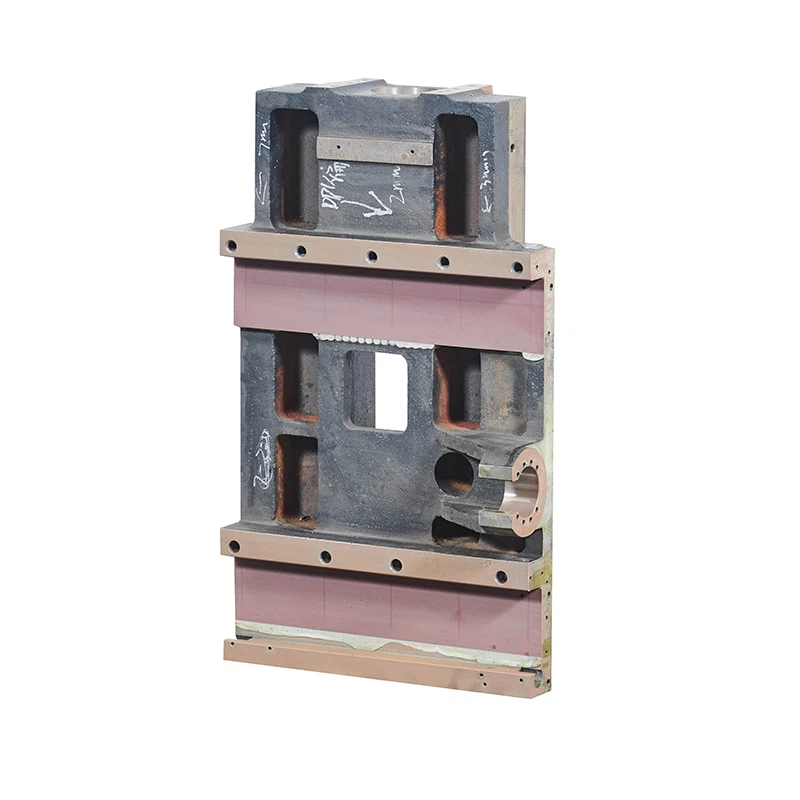
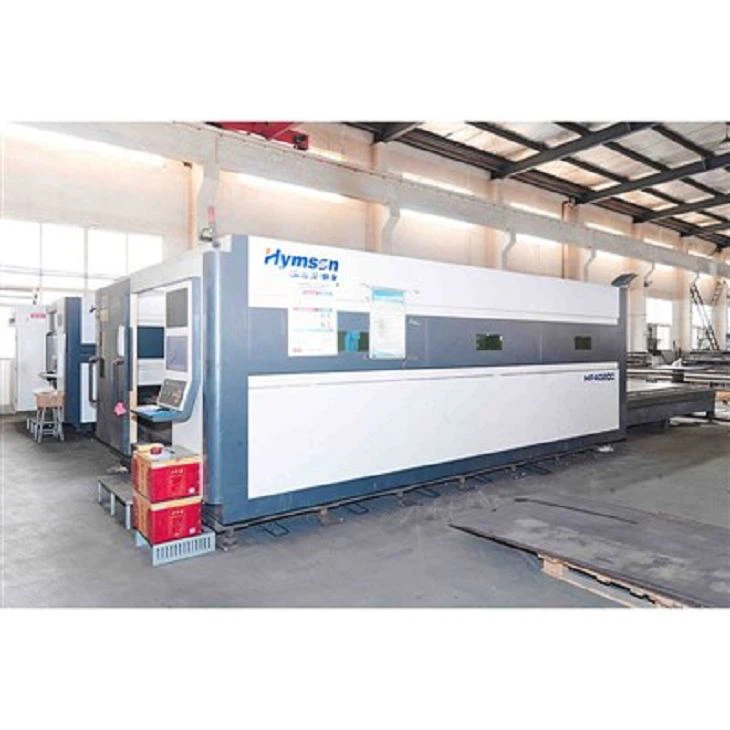
If you're in the market for a bending machine, you might also be interested in other related machines. For example, a Laser Cutting Machine can be used to cut the materials before bending, and a CNC Lathe Saddle can be used for other machining operations. And if you need a stable base for your machines, check out the Base.
Conclusion
Choosing the right bending machine is a big decision, but it doesn't have to be overwhelming. By understanding your needs, considering the different types of machines, and taking into account other factors like safety, ease of use, after-sales service, and cost, you can make an informed decision.
If you're still not sure which bending machine is right for you, don't hesitate to contact us. As a bending machine supplier, we have the expertise and experience to help you find the perfect machine for your needs. We can provide you with detailed information, answer your questions, and even offer a free consultation. So, if you're ready to take your production to the next level, get in touch with us today and let's start the conversation!
References
- "Bending Machines: Types, Working Principles, and Applications." Industrial Machinery Handbook.
- "How to Choose the Right Bending Machine for Your Business." Manufacturing Today Magazine.
- "The Ultimate Guide to Bending Machines." Machine Tool World.