

As a supplier in the large - scale machining industry, I've seen firsthand how crucial it is to boost the automation level. In this blog, I'll share some practical tips on how to achieve that, based on my years of experience in this field.
1. Evaluate Your Current Setup
Before you can start improving automation, you need to know where you stand. Take a good look at your existing machining processes. Identify the tasks that are currently done manually and figure out which ones are prime candidates for automation.
For instance, repetitive tasks like material handling, simple cutting, and basic assembly are often the easiest to automate. These tasks are not only time - consuming when done by hand but also prone to human error. By automating them, you can increase the efficiency and accuracy of your operations.
2. Invest in the Right Equipment
One of the most direct ways to improve automation is to invest in advanced machinery. There are several types of equipment that can significantly enhance your automation level in large - scale machining.
- Gantry Machining Center: This is a powerful tool for large - scale machining. It offers high precision and can handle heavy workloads. With its high - speed spindle and large working area, it can perform various machining operations like milling, drilling, and boring. You can learn more about them here.
- Horizontal Machining Center: Ideal for complex workpieces, horizontal machining centers can provide excellent chip evacuation and can perform multiple machining operations in a single setup. It's a great addition to your automation strategy, especially if you're dealing with parts that require high - precision and multiple - side machining. Check out more details here.
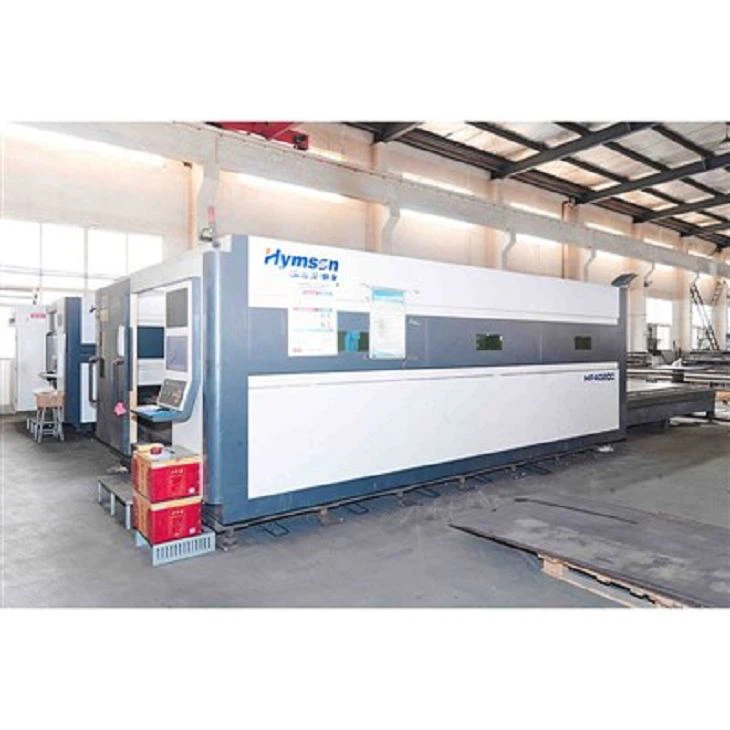
- Laser Cutting Machine: Laser cutting machines are extremely efficient when it comes to cutting a wide range of materials with high precision. They can be easily integrated into automated production lines, reducing the need for manual labor and improving the quality of the finished products. To find out more about laser cutting machines, visit this page.
3. Use Advanced Software
Automation in large - scale machining isn't just about hardware; software also plays a huge role. There are several types of software you can use to optimize your automation processes.
CAD/CAM Software: Computer - Aided Design (CAD) and Computer - Aided Manufacturing (CAM) software allow you to design and program your machining operations with high precision. You can create 3D models of your parts in CAD and then generate the toolpaths for your machining equipment using CAM. This reduces the chances of errors and speeds up the production process.
Production Management Software: This type of software helps you manage your entire production process, from planning to scheduling and monitoring. It allows you to track the progress of each job, manage your inventory, and ensure that your machines are being used efficiently.
4. Train Your Staff
Even with the best equipment and software, you still need a well - trained staff to operate and maintain them. Make sure your employees are trained on how to use the new automated equipment and software. Provide them with regular training sessions to keep their skills up - to - date.
Moreover, encourage your staff to embrace the changes that come with automation. Explain the benefits of automation to them, such as reducing the repetitive and strenuous work, and increasing job safety. When your employees are on board with the automation process, it can be implemented more smoothly.
5. Implement a Robotic Automation System
Robots are becoming increasingly popular in large - scale machining. They can perform a variety of tasks, from material handling to machining operations. A robotic automation system can work 24/7 without fatigue, which can significantly increase your production capacity.
When implementing a robotic system, make sure it's properly integrated with your existing equipment and software. You may need to work with a robotics integrator to ensure that the system is customized to your specific needs.
6. Monitor and Optimize
Once you've implemented your automation improvements, it's important to continuously monitor and optimize your processes. Use sensors and data analytics to collect information about your machines' performance, production rates, and quality control.
Based on the data you collect, you can identify areas for improvement. For example, if you notice that a particular machine is experiencing frequent breakdowns, you can take steps to maintain it better or replace it. If the production rate of a certain process is lower than expected, you can analyze the workflow and make adjustments to optimize it.

7. Build a Strong Supplier Network
In the large - scale machining industry, having a strong supplier network is crucial for improving automation. Your suppliers can provide you with the latest technology, high - quality components, and technical support.
Work closely with your suppliers to stay informed about new products and innovations in the field. They can also offer advice on how to integrate new equipment into your existing automation system.
8. Collaborate with Other Companies
Collaborating with other companies in the industry can also help you improve your automation level. You can share knowledge, resources, and best practices. For example, you can partner with a company that has expertise in a certain type of automation technology and learn from their experience.
Joint research and development projects with other companies can also lead to new and improved automation solutions. This can give you a competitive edge in the market.
As a large - scale machining supplier, I understand that improving the automation level is not an easy task, but it's definitely worth the effort. By following these tips, you can increase your efficiency, reduce costs, and improve the quality of your products. If you're interested in learning more about how we can help you with your large - scale machining automation needs, please don't hesitate to reach out for a procurement discussion.
References:
- Industry reports on large - scale machining automation
- Technical manuals of gantry machining centers, horizontal machining centers, and laser cutting machines
- Academic papers on the application of CAD/CAM and production management software in manufacturing