

In the highly competitive realm of large - scale machining, enhancing the flexibility of machining systems is not just an option but a necessity. As a prominent large - scale machining supplier, I've witnessed firsthand the transformative power of flexible machining systems. This blog aims to share some practical strategies on how to improve the flexibility of large - scale machining systems, which can lead to better adaptability, increased productivity, and enhanced competitiveness in the market.
Understanding the Concept of Flexibility in Large - Scale Machining
Before delving into the strategies, it's crucial to understand what flexibility means in the context of large - scale machining. Flexibility refers to the ability of a machining system to adapt to changes in production requirements, such as different part geometries, production volumes, and quality standards. A flexible system can quickly switch between different machining operations, accommodate new product designs, and optimize production processes based on real - time demand.
1. Modular Design of Machining Equipment
One of the most effective ways to improve flexibility is through the modular design of machining equipment. Modular equipment consists of standardized components that can be easily assembled, disassembled, and reconfigured. For example, a large - scale machining center can be designed with modular tool changers, worktables, and spindles. This allows for quick adaptation to different machining tasks.
If a customer requests a change in the product design that requires a different cutting tool, the modular tool changer can be easily adjusted to accommodate the new tool. Similarly, the worktable can be reconfigured to hold different part sizes and shapes. By investing in modular equipment, large - scale machining suppliers can significantly reduce the setup time between different production runs, thus improving overall flexibility.

When considering modular equipment, you might be interested in products like the CNC Lathe Saddle. Its modular design allows for easy customization and adaptation to various machining requirements, making it a valuable addition to any large - scale machining system.
2. Advanced Control Systems
Advanced control systems play a pivotal role in enhancing the flexibility of large - scale machining systems. Modern control systems, such as computer numerical control (CNC) systems, offer a high degree of programmability and automation. They can store multiple machining programs, which can be quickly retrieved and executed based on the production requirements.
For instance, a CNC system can be programmed to perform different machining operations on a single workpiece, such as turning, milling, and drilling. This eliminates the need for multiple machines and reduces the overall production time. Moreover, advanced control systems can also be integrated with sensors and monitoring devices to provide real - time feedback on the machining process. If a deviation from the desired quality standards is detected, the control system can automatically adjust the machining parameters to ensure consistent quality.
In addition, the use of artificial intelligence (AI) and machine learning algorithms in control systems can further improve flexibility. These technologies can analyze production data to optimize machining processes, predict tool wear, and identify potential production bottlenecks. By leveraging advanced control systems, large - scale machining suppliers can achieve greater adaptability and efficiency in their operations.
3. Multi - Purpose Machining Tools
Investing in multi - purpose machining tools is another effective strategy for improving flexibility. Multi - purpose tools can perform multiple machining operations, reducing the need for a large number of specialized tools. For example, a single cutting tool might be capable of both roughing and finishing operations, or it can be used for different materials.
This not only reduces the tool inventory but also simplifies the tool management process. When a new product design requires a different machining operation, the multi - purpose tool can often be used with minor adjustments, rather than having to source a completely new tool.
The Pipe Cutting Machine Base is an excellent example of a multi - purpose tool. It can be used for various pipe cutting applications, including different pipe diameters and materials. Its versatility makes it a valuable asset in a large - scale machining system, allowing for quick adaptation to different customer requirements.
4. Skilled Workforce Training
A skilled workforce is the backbone of any flexible large - scale machining system. Employees need to be trained to operate and maintain the advanced equipment and control systems. Training programs should cover a wide range of topics, including new machining technologies, programming languages, and quality control methods.
For example, workers should be trained to program CNC machines, understand the operation of multi - purpose tools, and interpret production data from advanced control systems. Regular training sessions can keep the workforce updated with the latest industry trends and technologies, enabling them to adapt to new production requirements more effectively.
In addition, cross - training employees in different machining operations can also enhance flexibility. If one worker is proficient in both turning and milling operations, they can be easily reassigned to different tasks based on the production demand. This reduces the reliance on specialized workers and ensures that the production process can continue smoothly even in the face of unexpected changes.
5. Agile Supply Chain Management
Flexibility in large - scale machining also extends to the supply chain. An agile supply chain can quickly respond to changes in production requirements by providing the necessary raw materials, tools, and components in a timely manner. To achieve this, large - scale machining suppliers should establish strong relationships with their suppliers.
This includes negotiating flexible contracts, maintaining a buffer stock of critical materials, and implementing real - time inventory management systems. For example, if a sudden increase in production volume is required, the supplier should be able to quickly source the additional raw materials without causing delays in the production process.
Moreover, an agile supply chain can also support the introduction of new products. When a new product design is launched, the supply chain should be able to provide the unique materials and components required for its production. By managing the supply chain effectively, large - scale machining suppliers can improve their ability to adapt to market changes and customer demands.
6. Welding Flexibility
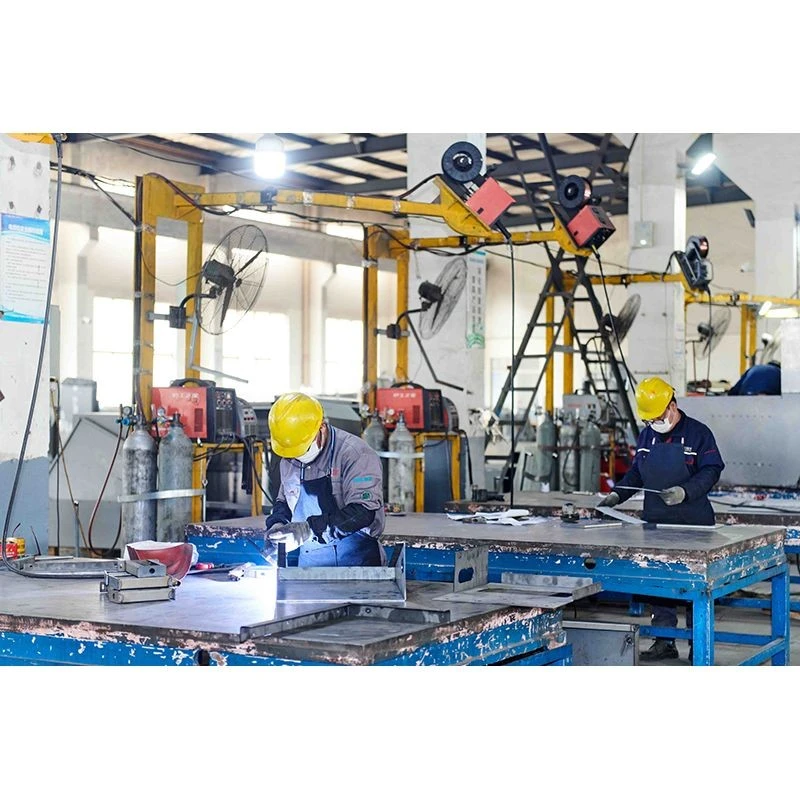
Welding is an important part of large - scale machining, especially in the fabrication of large structures and components. Improving the flexibility of welding processes can significantly enhance the overall flexibility of the machining system.
The Welding process can be made more flexible by using advanced welding equipment and techniques. For example, robotic welding systems can be programmed to perform different welding patterns and joints, allowing for quick adaptation to different product designs. Additionally, the use of welding simulation software can help in optimizing the welding process before actual production, reducing the need for rework and improving the overall quality.
7. Collaboration and Partnerships
Collaboration and partnerships can also contribute to the flexibility of large - scale machining systems. By collaborating with other machining suppliers, technology providers, and research institutions, large - scale machining suppliers can access new technologies, share knowledge, and pool resources.
For example, a partnership with a technology provider might enable the adoption of the latest machining technologies, such as additive manufacturing or high - speed machining. Collaborating with other machining suppliers can also provide opportunities for sharing production capacity during peak demand periods. Research partnerships can help in developing new machining processes and materials, which can further enhance the flexibility of the machining system.
Conclusion
Improving the flexibility of large - scale machining systems is a complex but achievable goal. By implementing strategies such as modular design, advanced control systems, multi - purpose tools, skilled workforce training, agile supply chain management, welding flexibility, and collaboration, large - scale machining suppliers can enhance their adaptability, productivity, and competitiveness in the market.
If you are interested in learning more about how to improve the flexibility of your large - scale machining systems or are looking for high - quality machining solutions, we invite you to contact us for a procurement negotiation. Our team of experts is ready to assist you in finding the best solutions for your specific needs.
References
- Groover, M. P. (2010). Fundamentals of Modern Manufacturing: Materials, Processes, and Systems. Wiley.
- Dornfeld, D. A., Minis, I., & Takeuchi, Y. (2009). Handbook of Machining with Grinding Wheels. Springer.
- Schuh, G., & Stöhr, T. (2012). Flexible Manufacturing Systems: Design, Planning, and Operation. Springer.