

In the highly competitive landscape of large - scale machining, optimizing the process flow is not just a strategic advantage; it's a necessity for survival and growth. As a large - scale machining supplier, I've witnessed firsthand the transformative power of a well - optimized process flow. It can enhance productivity, reduce costs, improve quality, and ultimately, strengthen customer satisfaction. In this blog, I'll share some key strategies that can be employed to optimize the process flow in large - scale machining factories.
Understanding the Current Process Flow
Before making any changes, it's crucial to have a comprehensive understanding of the existing process flow. This involves mapping out every step in the machining process, from raw material intake to the final product delivery. Identify the bottlenecks, areas of inefficiency, and potential sources of waste. For example, long setup times for Horizontal Machining Center can significantly slow down the production process. By analyzing the current workflow, we can pinpoint these issues and develop targeted solutions.
Implementing Lean Manufacturing Principles
Lean manufacturing is a systematic approach to eliminating waste and maximizing value. In a large - scale machining factory, waste can take many forms, such as overproduction, waiting time, unnecessary transportation, and excess inventory. By implementing lean principles, we can streamline the process flow and improve overall efficiency.
One of the core concepts of lean manufacturing is the 5S methodology: Sort, Set in Order, Shine, Standardize, and Sustain. Sort involves removing any unnecessary items from the workspace. Set in Order means organizing the remaining items in a logical and accessible manner. Shine refers to keeping the workspace clean and well - maintained. Standardize involves creating standard procedures for all tasks, and Sustain means ensuring that these standards are consistently followed.
Another important lean tool is value stream mapping. This technique helps us visualize the entire process flow, identify value - added and non - value - added activities, and develop a plan to eliminate non - value - added steps. For instance, in a large - scale machining operation, the movement of materials between different workstations can often be optimized to reduce transportation time and costs.
Investing in Advanced Technology
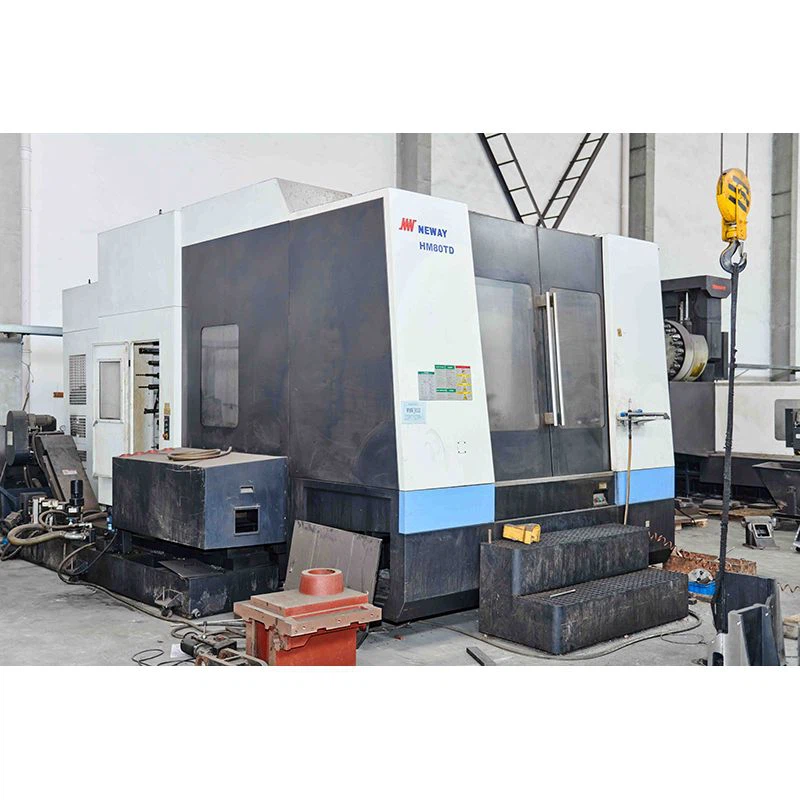
The machining industry is constantly evolving, and staying ahead of the curve requires investing in advanced technology. Modern machines, such as Horizontal Machining Center, are equipped with advanced features that can significantly improve productivity and quality. These machines can perform multiple operations in a single setup, reducing setup times and increasing throughput.
Automation is another area where technology can have a profound impact on the process flow. Robotic arms can be used for tasks such as material handling, loading and unloading of machines, and quality inspection. This not only reduces the risk of human error but also frees up human operators to focus on more complex and value - added tasks.

In addition, the use of computer - aided manufacturing (CAM) software can optimize the machining process by generating the most efficient tool paths. This software takes into account factors such as material properties, machine capabilities, and part geometry to create a machining program that minimizes cycle times and maximizes quality.
Employee Training and Engagement
Employees are the backbone of any large - scale machining factory. Their skills, knowledge, and motivation play a crucial role in the success of the process optimization efforts. Therefore, it's essential to provide comprehensive training to employees on new technologies, lean principles, and best practices in machining.
Training programs should be tailored to the specific needs of different job roles. For example, machine operators need to be trained on the proper operation and maintenance of Horizontal Machining Center and other advanced machines. Quality control inspectors need to be trained on the latest inspection techniques and standards.
Engaging employees in the process optimization process is also important. Encourage them to share their ideas and suggestions for improving the process flow. They are often the ones who have the most in - depth knowledge of the day - to - day operations and can provide valuable insights. For example, an operator may notice a pattern of tool wear that could be addressed by changing the machining parameters.
Supply Chain Management
A well - managed supply chain is essential for optimizing the process flow in a large - scale machining factory. This involves working closely with suppliers to ensure a reliable and timely supply of raw materials and components. Delays in the supply of materials can cause production bottlenecks and increase costs.
Just - in - time (JIT) inventory management is a strategy that can be used to minimize inventory levels while ensuring that materials are available when needed. By working closely with suppliers, we can establish a system where materials are delivered to the factory just in time for production. This reduces the need for large - scale storage facilities and the associated costs.
In addition, developing strong relationships with suppliers can lead to better quality control. Suppliers can be involved in the design and development process, providing input on material selection and manufacturing processes. This collaborative approach can result in higher - quality products and a more efficient process flow.
Quality Control and Continuous Improvement
Quality control is an integral part of the process flow in a large - scale machining factory. Implementing a robust quality control system can help identify and correct defects early in the production process, reducing waste and rework. This involves setting up inspection points at various stages of the machining process and using statistical process control (SPC) techniques to monitor and control quality.
Continuous improvement is another key aspect of optimizing the process flow. This involves regularly reviewing and analyzing the process flow, identifying areas for improvement, and implementing changes. The Plan - Do - Check - Act (PDCA) cycle is a widely used framework for continuous improvement. In the Plan phase, we identify the problem and develop a plan for improvement. In the Do phase, we implement the plan. In the Check phase, we evaluate the results, and in the Act phase, we standardize the improvements and plan for further enhancements.
Customization and Flexibility
In today's market, customers often demand customized products. A large - scale machining factory needs to be able to adapt to these changing customer requirements while maintaining an efficient process flow. This requires a high degree of flexibility in the manufacturing process.
For example, using modular tooling systems can allow for quick changes in the machining setup, enabling the production of different parts with minimal downtime. The ability to switch between different product lines quickly can give a machining factory a competitive edge in the market.
Conclusion
Optimizing the process flow in a large - scale machining factory is a complex but achievable goal. By understanding the current process flow, implementing lean manufacturing principles, investing in advanced technology, training and engaging employees, managing the supply chain effectively, controlling quality, and being flexible and adaptable, we can significantly improve productivity, reduce costs, and enhance customer satisfaction.
If you're in the market for high - quality large - scale machining services, we'd love to have a conversation with you. Our team of experts is ready to discuss your specific requirements and develop a customized solution that meets your needs. Contact us to start the procurement and negotiation process, and let's work together to achieve your machining goals.
References
- Womack, J. P., & Jones, D. T. (1996). Lean Thinking: Banish Waste and Create Wealth in Your Corporation. Simon & Schuster.
- Schonberger, R. J. (1986). Japanese Manufacturing Techniques: Nine Hidden Lessons in Simplicity. Free Press.
- Montgomery, D. C. (2012). Introduction to Statistical Quality Control. Wiley.