

Hey there! As a supplier of 45 steel bearing seats, I've seen my fair share of issues with cracks in these parts. Cracks can be a real headache, leading to premature failure and costly replacements. So, I thought I'd share some tips on how to prevent cracks in 45 steel bearing seats.
Understanding 45 Steel
First off, let's talk a bit about 45 steel. It's a medium - carbon steel known for its good strength, toughness, and machinability. But like any material, it has its quirks. The carbon content in 45 steel is around 0.42 - 0.50%, which gives it certain mechanical properties. However, this carbon content also makes it susceptible to cracking under certain conditions.
Proper Heat Treatment
One of the most crucial steps in preventing cracks is proper heat treatment. Heat treatment can significantly improve the mechanical properties of 45 steel bearing seats.
- Quenching and Tempering: Quenching is the process of rapidly cooling the steel from a high temperature. This hardens the steel, but it also creates internal stresses. If not properly managed, these stresses can lead to cracks. That's where tempering comes in. Tempering involves reheating the quenched steel to a lower temperature and holding it there for a specific time. This relieves the internal stresses and improves the toughness of the steel.
- For 45 steel bearing seats, a typical quenching temperature is around 840 - 860°C, followed by tempering at 550 - 650°C. But the exact temperatures and times depend on the specific requirements of the bearing seat, like its size and the application it's going to be used in.
Design Considerations
The design of the bearing seat also plays a big role in preventing cracks.
- Avoid Sharp Corners: Sharp corners act as stress concentration points. When the bearing seat is under load, these points experience much higher stress than the rest of the part. This can lead to crack initiation. Instead, use rounded corners with an appropriate radius. A radius of at least 3 - 5 mm can make a big difference in reducing stress concentration.
- Uniform Wall Thickness: Try to keep the wall thickness of the bearing seat as uniform as possible. Uneven wall thickness can cause uneven cooling during heat treatment and non - uniform stress distribution under load. For example, if one part of the bearing seat has a much thicker wall than another, it will cool more slowly during quenching, leading to different levels of hardness and internal stress.
Machining Practices
The way the bearing seat is machined can also impact crack formation.
- Proper Cutting Parameters: Using the right cutting speed, feed rate, and depth of cut is essential. If the cutting speed is too high, it can generate excessive heat, which can cause thermal stress and potentially lead to cracks. On the other hand, if the feed rate is too low, it can result in a poor surface finish and increased tool wear, which can also affect the integrity of the part.
- Avoid Over - Machining: Over - machining can remove too much material and weaken the bearing seat. It can also introduce surface defects that can act as crack initiation sites. Make sure to follow the design specifications precisely and leave enough material for any post - machining processes like heat treatment.
Material Quality
The quality of the raw 45 steel material is a fundamental factor.
- Inspect the Raw Material: Before starting the manufacturing process, thoroughly inspect the raw 45 steel for any defects like inclusions, porosity, or surface cracks. These defects can propagate during processing and lead to cracks in the final bearing seat. You can use non - destructive testing methods like ultrasonic testing or magnetic particle testing to detect these issues.
- Source from Reputable Suppliers: Always buy your 45 steel from reliable suppliers. Reputable suppliers are more likely to provide high - quality material that meets the required standards. They also usually have better quality control processes in place, which reduces the risk of getting sub - standard material.
Assembly and Installation
How the bearing seat is assembled and installed can also affect its crack resistance.
- Proper Alignment: Ensure that the bearing seat is properly aligned during installation. Misalignment can cause uneven loading on the bearing seat, which can lead to excessive stress and eventually cracks. Use alignment tools and follow the manufacturer's instructions carefully.
- Use Appropriate Lubrication: Lubrication is important not only for reducing friction but also for protecting the bearing seat from corrosion and wear. Using the right type of lubricant and applying it correctly can help extend the life of the bearing seat and prevent cracks.
Post - Production Testing
After the bearing seat is manufactured, it's a good idea to conduct some post - production testing.
- Non - Destructive Testing: As mentioned earlier, non - destructive testing methods like ultrasonic testing, magnetic particle testing, or dye penetrant testing can be used to detect any surface or subsurface cracks. This can help identify any defective parts before they are shipped to the customer.
- Load Testing: Subjecting the bearing seat to a simulated load can also help identify any potential issues. By applying a load similar to what it will experience in real - world use, you can check if the bearing seat can withstand the stress without cracking.
Related Products
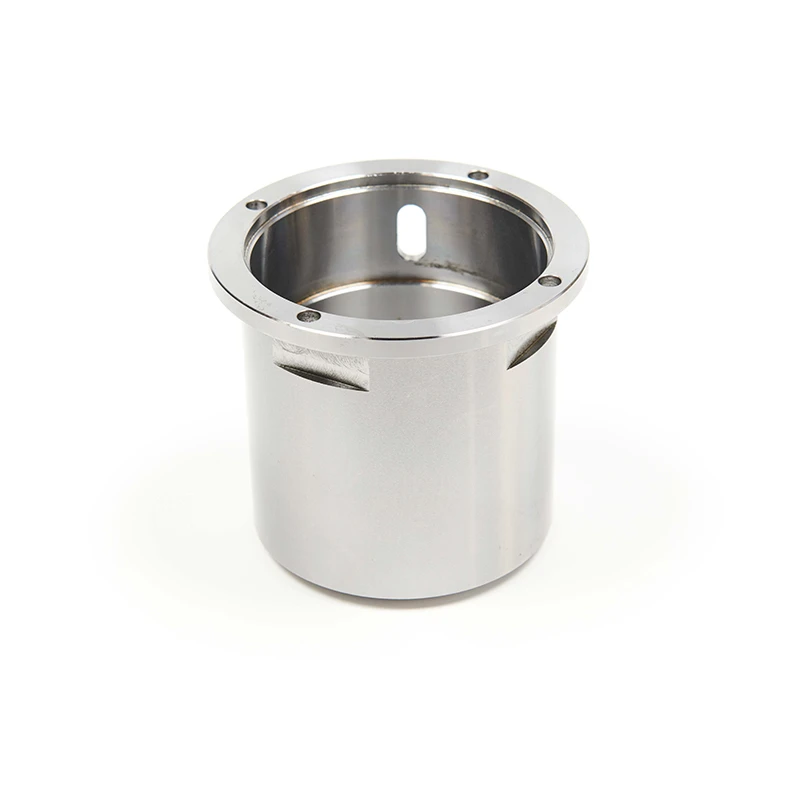
If you're interested in other related products, we also offer Shaft Sleeve, Sliding Seat, and Knife Holder. These products are also made with high - quality materials and go through strict quality control processes.

Conclusion
Preventing cracks in 45 steel bearing seats requires a comprehensive approach that includes proper heat treatment, good design, correct machining practices, high - quality material, proper assembly, and post - production testing. By following these tips, you can significantly reduce the risk of crack formation and ensure the long - term performance of your 45 steel bearing seats.
If you're in the market for high - quality 45 steel bearing seats or have any questions about preventing cracks in these parts, feel free to reach out for a procurement discussion. We're always here to help you find the best solutions for your needs.
References
- ASM Handbook Volume 4: Heat Treating.
- Manufacturing Engineering and Technology by S. Kalpakjian and S. R. Schmid.
- Machining Fundamentals and Applications by P. R. Venkatesh.