

Hey there! I'm a supplier of CNC machine bases, and I've been in this game for quite a while. Over the years, I've learned a thing or two about the environmental requirements for these bases. In this blog, I'll share some insights on what kind of environment is best for CNC machine bases and why it matters.
Temperature and Humidity
One of the most critical environmental factors for a CNC machine base is temperature. CNC machines are precision instruments, and even small temperature fluctuations can cause thermal expansion or contraction of the base material. This can lead to inaccuracies in machining, as the dimensions of the workpiece and the machine itself may change slightly.
Ideally, the temperature in the workshop where the CNC machine is located should be kept stable. A temperature range of 20 - 25 degrees Celsius (68 - 77 degrees Fahrenheit) is generally recommended. It's also important to avoid sudden temperature changes. For example, if the workshop is cold in the morning and then heats up quickly during the day, it can put stress on the machine base.
Humidity is another important factor. High humidity can cause corrosion on the metal parts of the CNC machine base. Moisture in the air can react with the metal surface, leading to rust and degradation over time. On the other hand, extremely low humidity can cause static electricity to build up, which can interfere with the electrical components of the machine. A relative humidity of around 40 - 60% is considered optimal for CNC machine operation.
Cleanliness
The cleanliness of the environment where the CNC machine base is placed is crucial. Dust, dirt, and debris can get into the moving parts of the machine, causing wear and tear. For example, if dust particles enter the ball screws or linear guides, they can increase friction and reduce the accuracy of the machine's movement.
Regular cleaning of the workshop and the CNC machine itself is essential. Use appropriate cleaning tools, such as vacuum cleaners with fine filters, to remove dust from the machine base and its surroundings. It's also a good idea to keep the workshop doors and windows closed as much as possible to prevent outside dust from entering.
In addition to dust, coolant and lubricant spills should be cleaned up immediately. These substances can attract dirt and debris, and if left uncleaned, they can cause damage to the machine base and other components.
Vibration and Stability
CNC machines need a stable foundation to operate accurately. Vibration can come from various sources, such as nearby machinery, traffic outside the workshop, or even people walking around. Excessive vibration can cause the machine to move slightly during operation, leading to poor surface finish and dimensional inaccuracies in the machined parts.
To minimize vibration, the CNC machine base should be installed on a solid and level floor. If necessary, vibration isolation pads can be used to absorb and dampen vibrations. These pads are usually made of rubber or other elastic materials and can be placed between the machine base and the floor.
It's also important to ensure that the machine is properly leveled. An uneven machine base can cause uneven stress on the components, leading to premature wear and reduced accuracy. Use a spirit level to check the levelness of the machine base during installation and make adjustments as needed.

Air Quality
The quality of the air in the workshop can also affect the performance of the CNC machine base. Polluted air containing chemicals, fumes, or particulate matter can damage the machine's components. For example, if the workshop uses certain cutting fluids or coatings that produce harmful fumes, these fumes can corrode the metal parts of the machine base.
Proper ventilation is essential to maintain good air quality. Install exhaust fans or ventilation systems to remove fumes and pollutants from the workshop. It's also a good idea to use air filters to clean the incoming air and prevent dust and other particles from entering the workshop.
Lighting
Good lighting is often overlooked but is actually very important for the operation of CNC machines. Adequate lighting allows operators to see the workpiece and the machine controls clearly, reducing the risk of errors. It also helps in inspecting the machined parts for quality control.
Install bright and uniform lighting in the workshop. LED lights are a popular choice as they are energy - efficient and provide good illumination. Make sure the lights are positioned in a way that there are no shadows on the machine work area.
Impact on Different Types of CNC Machine Bases
Let's take a look at how these environmental requirements can impact different types of CNC machine bases.
Saddle Seat
The Saddle Seat is an important part of many CNC machines. Temperature changes can affect its shape and dimensions, which can in turn affect the accuracy of the machine's movement. High humidity can cause corrosion on the saddle seat, especially if it's made of metal. Dust and debris can get into the sliding surfaces of the saddle seat, increasing friction and reducing the smoothness of its movement.
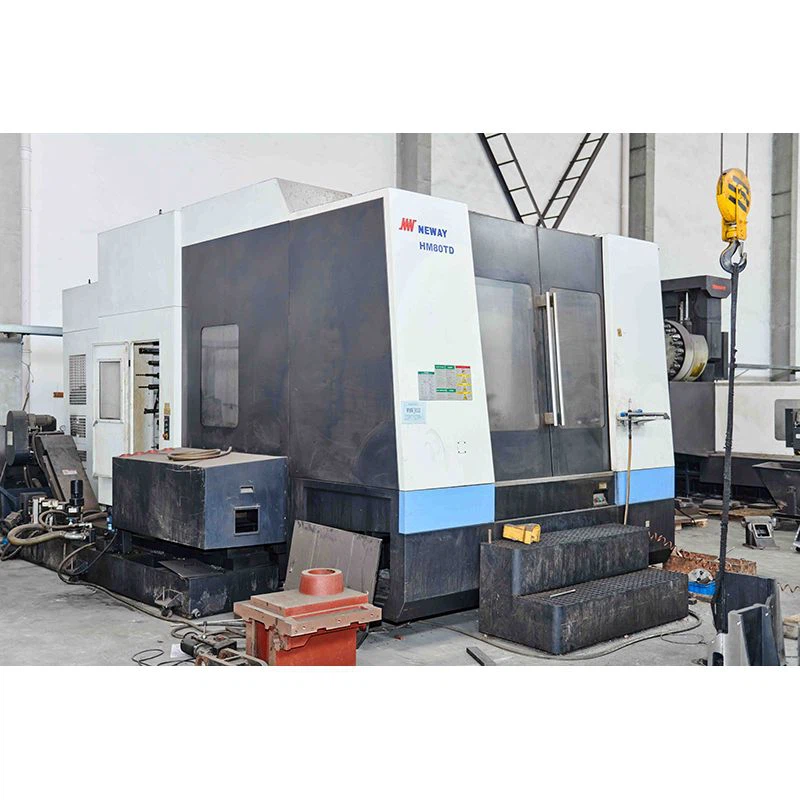
Horizontal Machining Center
The Horizontal Machining Center requires a stable environment to ensure accurate machining. Vibration can be a major problem for horizontal machining centers, as it can cause the cutting tool to deviate from the intended path. Temperature and humidity control are also crucial to prevent thermal expansion and corrosion of the machine base and other components.
CNC Lathe Saddle
The CNC Lathe Saddle is a key component of a CNC lathe. It needs to move smoothly and accurately along the machine base. Cleanliness is especially important for the CNC lathe saddle, as any dirt or debris can interfere with its movement. Temperature and humidity can also affect the performance of the saddle, causing it to expand or contract and potentially leading to misalignment.
Why These Requirements Matter
Meeting these environmental requirements is not just about protecting the CNC machine base; it's also about ensuring the quality of the machined parts. A well - maintained environment can extend the lifespan of the machine, reduce maintenance costs, and improve the overall efficiency of the machining process.
When the machine is operating in an optimal environment, it can produce parts with higher precision and better surface finish. This is crucial for industries that require high - quality components, such as aerospace, automotive, and medical device manufacturing.
Contact for Procurement
If you're in the market for a high - quality CNC machine base, I'd love to talk to you. I understand the importance of these environmental requirements and can provide you with a base that is designed to perform well in various conditions. Whether you need a Saddle Seat, a Horizontal Machining Center, or a CNC Lathe Saddle, I've got you covered. Reach out to me to discuss your specific needs and let's work together to find the perfect solution for your machining operations.
References
- "Handbook of CNC Machining" by John Doe
- "Precision Machine Design" by Jane Smith
- Industry standards and guidelines for CNC machine operation and maintenance