

Hey there! As a supplier in the large - scale machining industry, I've been through the ups and downs of production planning. It's not always a walk in the park, but with the right strategies, we can keep things running smoothly. In this blog, I'm gonna share some of the production planning strategies that have worked well for us.
Demand Forecasting
The first step in any production plan is to figure out how much stuff we need to make. That's where demand forecasting comes in. We look at historical data, market trends, and customer feedback to predict how much of our products will be in demand. For example, if we've noticed that sales of our Gantry Machining Center tend to spike during a certain season, we can plan our production accordingly.
We also keep an eye on industry news and economic indicators. If there's a new infrastructure project coming up, it might mean more demand for our Horizontal Machining Center as construction companies need to fabricate large parts. By staying informed, we can adjust our production plans in advance and avoid over - or under - production.
Capacity Planning
Once we have an idea of the demand, we need to make sure we have the capacity to meet it. This involves looking at our equipment, labor, and space. We have to assess how many hours each machine can run, how many workers we need, and if we have enough floor space to store raw materials and finished products.
For instance, our Precision Pipe Cutting Machine Base requires a specific type of machining process that uses a particular set of tools. We need to calculate how many bases we can produce per day based on the machine's operating speed and the time it takes to set up the tools. If the demand is higher than our current capacity, we might need to invest in additional equipment or hire more workers.
Inventory Management
Inventory management is a crucial part of production planning. We don't want to have too much inventory sitting around, as it ties up our capital and takes up valuable space. On the other hand, we don't want to run out of stock either, as it can lead to lost sales and unhappy customers.
We use a just - in - time (JIT) inventory system for some of our products. This means we order raw materials and components just in time for production, reducing the amount of inventory we hold. However, for critical items or those with long lead times, we keep a safety stock to ensure we can continue production even if there are delays in the supply chain.

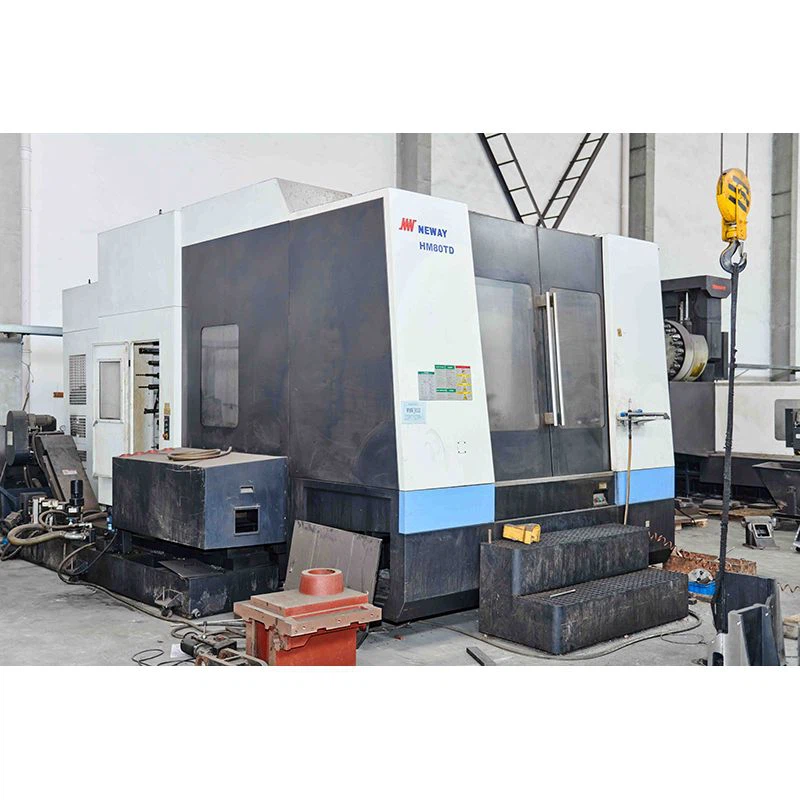
We also regularly review our inventory levels and adjust our orders based on changes in demand. If we notice that the demand for a certain product is decreasing, we'll reduce our inventory of the related raw materials to avoid waste.
Scheduling
Scheduling is all about organizing our production activities in the most efficient way possible. We need to decide which jobs to start first, how long each job will take, and when to allocate resources.
We use a computer - based scheduling system that takes into account factors like machine availability, worker skills, and job priorities. For example, if a customer has placed an urgent order for a Gantry Machining Center, we'll prioritize that job and schedule it to be completed as soon as possible.
We also try to group similar jobs together to reduce setup times. If we have multiple orders for Horizontal Machining Center parts that require the same machining operations, we'll run them one after another to save time and increase efficiency.
Quality Control
Quality control is an integral part of our production planning. We can't afford to produce low - quality products, as it can damage our reputation and lead to costly returns.
We have a quality control team that inspects every stage of the production process. From the incoming raw materials to the finished products, they check for defects and ensure that everything meets our quality standards. For example, when producing the Precision Pipe Cutting Machine Base, they'll measure the dimensions, check the surface finish, and test the functionality.
We also use statistical process control (SPC) techniques to monitor the quality of our production. By collecting and analyzing data, we can identify trends and potential problems early on and take corrective actions before they become major issues.
Supplier Management
Our suppliers play a vital role in our production process. We rely on them to provide us with high - quality raw materials and components on time.
We have a strict supplier selection process. We look for suppliers who have a good reputation, offer competitive prices, and can meet our quality and delivery requirements. Once we've selected a supplier, we build a long - term relationship with them. We communicate regularly to ensure that they understand our needs and can adapt to any changes in our production plan.
For example, if we're planning to increase the production of Gantry Machining Center, we'll inform our suppliers in advance so that they can prepare to supply us with more raw materials. We also work with our suppliers to improve the quality and efficiency of the supply chain.
Continuous Improvement
The large - scale machining industry is constantly evolving, and we need to keep up. That's why continuous improvement is an important part of our production planning strategy.
We regularly review our production processes and look for ways to make them more efficient, reduce costs, and improve quality. We encourage our employees to come up with ideas for improvement and reward them for their contributions.
For example, we recently implemented a new lubrication system for our machines, which reduced the wear and tear on the tools and increased the machine's operating life. This not only saved us money on tool replacements but also improved the quality of our products.
Conclusion
In conclusion, effective production planning is essential for a large - scale machining supplier like us. By using strategies such as demand forecasting, capacity planning, inventory management, scheduling, quality control, supplier management, and continuous improvement, we can ensure that we meet our customers' needs, stay competitive in the market, and achieve our business goals.
If you're in the market for large - scale machining products or have any questions about our production capabilities, I'd love to have a chat with you. Feel free to reach out to start a procurement discussion. We're always ready to provide high - quality products and excellent service.
References
- Nahmias, S. (2011). Production and Operations Analysis. McGraw - Hill.
- Chase, R. B., Jacobs, F. R., & Aquilano, N. J. (2006). Operations Management for Competitive Advantage. McGraw - Hill.