

In the realm of large - scale machining, efficient tool life management is a cornerstone for achieving high productivity, maintaining product quality, and controlling costs. As a seasoned large - scale machining supplier, I've witnessed firsthand the significance of implementing effective tool life management strategies. In this blog, I'll delve into some of the key strategies that can be employed in large - scale machining operations.
Understanding Tool Wear and Its Impact
Before diving into management strategies, it's crucial to understand the nature of tool wear. Tool wear occurs due to the interaction between the cutting tool and the workpiece material during the machining process. There are several types of tool wear, including abrasive wear, adhesive wear, diffusion wear, and chemical wear. Abrasive wear is caused by the hard particles in the workpiece material rubbing against the cutting edge of the tool. Adhesive wear happens when the workpiece material sticks to the tool and is then torn away, taking some of the tool material with it. Diffusion wear occurs when atoms from the tool and the workpiece diffuse into each other at high temperatures, weakening the tool structure. Chemical wear is the result of chemical reactions between the tool and the workpiece or the cutting fluid.
Tool wear can have a significant impact on the machining process. As the tool wears, the cutting forces increase, which can lead to poor surface finish, dimensional inaccuracies, and even damage to the workpiece or the machine. Moreover, worn - out tools need to be replaced more frequently, increasing the cost of tooling and downtime for tool changes.
Predictive Maintenance and Tool Monitoring
One of the most effective strategies for tool life management is predictive maintenance, which involves monitoring the condition of the tools during the machining process. By using sensors and advanced monitoring systems, we can detect signs of tool wear in real - time. For example, acoustic emission sensors can detect the high - frequency signals generated during the cutting process. As the tool wears, these signals change, allowing us to predict when the tool is approaching the end of its useful life.
Vibration sensors can also be used to monitor the stability of the cutting process. Excessive vibration can indicate tool wear or other problems in the machining system. By analyzing the vibration patterns, we can take proactive measures to prevent tool failure.
In addition to sensors, we can also use data analytics to predict tool life. By collecting and analyzing data on tool usage, cutting parameters, and workpiece materials, we can develop models that accurately predict when a tool needs to be replaced. This approach reduces the risk of unexpected tool failures and allows for more efficient planning of tool changes.
Optimizing Cutting Parameters
Another important strategy is to optimize the cutting parameters. The cutting parameters, including cutting speed, feed rate, and depth of cut, have a significant impact on tool wear. For example, increasing the cutting speed generally reduces the machining time but also increases the temperature at the cutting edge, which can accelerate tool wear. On the other hand, reducing the cutting speed can extend tool life but may decrease productivity.

To find the optimal cutting parameters, we need to consider the properties of the workpiece material, the type of cutting tool, and the desired surface finish. For instance, when machining a hard - to - machine material like titanium, we may need to use a lower cutting speed and feed rate to avoid excessive tool wear. In contrast, when machining a softer material like aluminum, we can increase the cutting speed and feed rate to improve productivity.
We can also use advanced machining techniques, such as high - speed machining and adaptive machining, to optimize the cutting process. High - speed machining allows us to achieve higher material removal rates while maintaining good tool life by using specialized cutting tools and high - speed spindles. Adaptive machining adjusts the cutting parameters in real - time based on the feedback from the monitoring system, ensuring that the tool operates under optimal conditions throughout the machining process.
Tool Selection and Coating
The selection of the right cutting tool is also crucial for tool life management. Different cutting tools are designed for different machining applications and workpiece materials. For example, carbide tools are commonly used for high - speed machining of hard materials, while ceramic tools are suitable for machining materials at very high temperatures.
In addition to the tool material, the coating of the tool can also significantly improve tool life. Tool coatings, such as titanium nitride (TiN), titanium carbonitride (TiCN), and aluminum titanium nitride (AlTiN), can provide a hard, wear - resistant layer on the surface of the tool. These coatings reduce friction between the tool and the workpiece, lower the cutting temperature, and prevent the adhesion of the workpiece material to the tool.
When selecting a tool coating, we need to consider the specific machining conditions. For example, TiN coatings are suitable for general - purpose machining, while AlTiN coatings are more effective for high - speed machining of hard materials.
Proper Tool Handling and Storage
Proper tool handling and storage are often overlooked but are essential for tool life management. During the handling process, tools should be protected from damage. For example, tools should be stored in a clean, dry environment to prevent corrosion. When installing and removing tools, we should use the correct tools and follow the manufacturer's instructions to avoid damaging the tool or the machine.
In large - scale machining operations, we often have a large inventory of tools. It's important to keep track of the tool usage and storage conditions. We can use a tool management system to record the tool purchase date, usage history, and maintenance records. This system helps us to manage the tool inventory more efficiently and ensures that the tools are used and stored properly.
Case Studies in Our Large - Scale Machining Operations
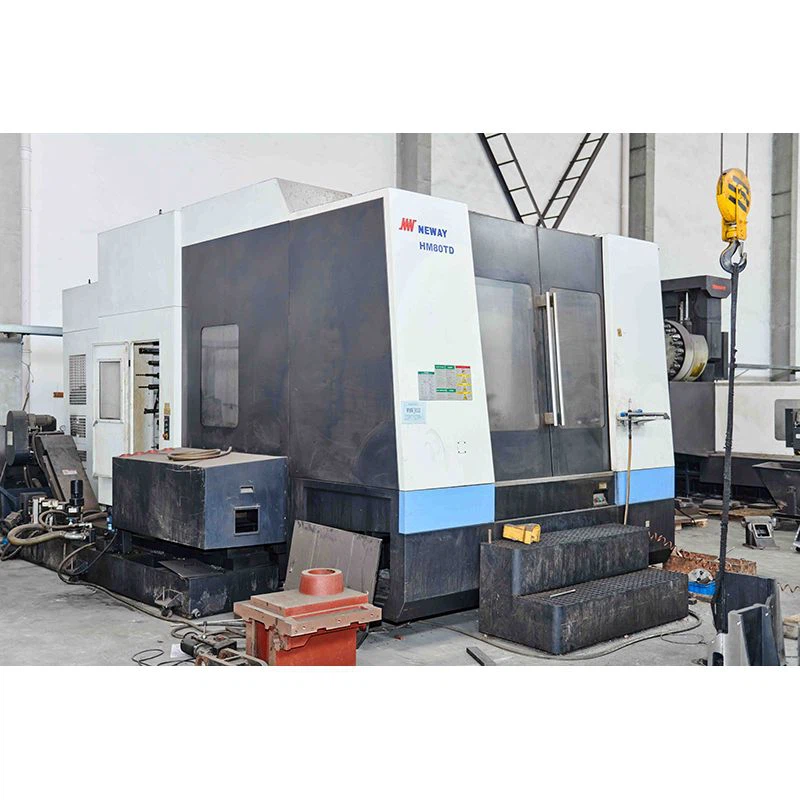
In our large - scale machining operations, we've implemented these tool life management strategies with great success. For example, in a project involving the machining of large - scale components using a Horizontal Machining Center, we used predictive maintenance techniques to monitor the tool condition. By installing acoustic emission sensors on the machine, we were able to detect the early signs of tool wear and schedule tool changes in advance. This not only reduced the number of unexpected tool failures but also improved the surface finish of the components.
In another project, we were using a Laser Cutting Machine to cut thick metal sheets. By optimizing the cutting parameters and using a high - quality tool coating, we were able to increase the tool life by more than 30%. This resulted in significant cost savings and improved productivity.
When manufacturing Pipe Cutting Machine Base, we paid close attention to tool handling and storage. By implementing a strict tool management system, we reduced the incidence of tool damage due to improper handling and storage. This ensured that the tools were always in good condition and ready for use, which improved the overall efficiency of the machining process.
Conclusion
Effective tool life management is essential for large - scale machining operations. By understanding tool wear, implementing predictive maintenance, optimizing cutting parameters, selecting the right tools and coatings, and ensuring proper tool handling and storage, we can extend tool life, improve productivity, and reduce costs.
If you're involved in large - scale machining and are looking for a reliable supplier who can help you implement these tool life management strategies, we'd be more than happy to assist you. Contact us to discuss your specific requirements and start a fruitful procurement negotiation.
References
- Trent, E. M., & Wright, P. K. (2000). Metal Cutting. Butterworth - Heinemann.
- Shaw, M. C. (2005). Metal Cutting Principles. Oxford University Press.
- Byrne, G., Dornfeld, D., Inasaki, I., Ketteler, G., König, W., Teti, R., & Vijayaraghavan, L. (2003). State of the art in mechanical micromachining. Annals of the CIRP, 52(2), 645 - 662.