

In the realm of road construction, a "base course" stands as a critical component that significantly influences the performance, durability, and safety of roadways. As a base supplier deeply entrenched in this industry, I am excited to delve into the intricacies of what a base course is, its functions, materials, construction processes, and its importance in road infrastructure.
What is a Base Course?
A base course in road construction refers to the layer of material placed directly above the subgrade and beneath the surface course (such as asphalt or concrete). It serves as an intermediate layer that distributes the loads from the surface course to the subgrade, providing additional support and stability to the road structure. The base course is designed to withstand the traffic loads, environmental factors, and other stresses that the road will encounter over its lifespan.
Functions of a Base Course
-
Load Distribution: One of the primary functions of the base course is to distribute the wheel loads from the surface course over a larger area of the subgrade. By spreading the loads, the base course reduces the stress on the subgrade, preventing excessive settlement and deformation. This is crucial for maintaining the平整度 and integrity of the road surface, especially under heavy traffic conditions.
-
Stress Relief: The base course helps to relieve the stresses induced by traffic loads and environmental factors. It acts as a buffer between the surface course and the subgrade, absorbing and dissipating the energy generated by vehicle movements, temperature changes, and moisture variations. This reduces the risk of cracking, rutting, and other forms of pavement distress, extending the service life of the road.
-
Drainage: A well-designed base course can also facilitate the drainage of water from the road surface. By providing a permeable layer, it allows water to infiltrate through the base and into the subgrade, preventing the accumulation of water on the surface. This helps to reduce the risk of hydroplaning, improve skid resistance, and protect the road structure from water damage.
-
Stability and Support: The base course provides a stable and uniform foundation for the surface course. It helps to prevent the lateral movement of the surface course, ensuring that it remains in place and maintains its structural integrity. Additionally, the base course can enhance the overall stability of the road by improving the load-bearing capacity of the subgrade.
Materials Used in Base Courses
The choice of materials for a base course depends on various factors, including the type of road, traffic volume, soil conditions, and environmental factors. Some of the commonly used materials for base courses include:
-
Crushed Stone: Crushed stone is one of the most popular materials for base courses due to its high strength, durability, and drainage properties. It is typically made by crushing large rocks into smaller pieces, which are then graded to a specific size range. Crushed stone provides excellent load-bearing capacity and can withstand heavy traffic loads.
-
Aggregate Base Course (ABC): ABC is a mixture of crushed stone, sand, and gravel. It is commonly used in road construction because it is relatively inexpensive, easy to obtain, and provides good drainage. ABC can be compacted to form a stable base course that can support the surface course.
-
Recycled Materials: With the increasing emphasis on sustainability, recycled materials are becoming more widely used in base courses. These materials include recycled concrete, asphalt pavement, and industrial by-products such as fly ash and slag. Using recycled materials not only reduces the demand for virgin materials but also helps to minimize waste and environmental impact.
-
Stabilized Materials: In some cases, base courses may be stabilized with additives such as cement, lime, or asphalt to improve their strength and durability. Stabilized base courses are commonly used in areas with poor soil conditions or high traffic volumes. They provide better resistance to deformation and can extend the service life of the road.
Construction Process of a Base Course
The construction of a base course typically involves the following steps:
-
Subgrade Preparation: Before the base course can be constructed, the subgrade must be properly prepared. This involves clearing the area of any vegetation, debris, or loose soil, and compacting the subgrade to a specified density. The subgrade should be level and free of any irregularities to ensure a uniform base for the base course.
-
Material Placement: Once the subgrade is prepared, the base course material is placed on top of it. The material can be placed using a variety of methods, including dump trucks, pavers, or spreaders. The thickness of the base course depends on the design requirements and the type of road. It is typically between 4 and 12 inches thick.
-
Compaction: After the base course material is placed, it must be compacted to achieve the desired density and strength. Compaction is typically done using a roller or a vibrating compactor. The compaction process helps to eliminate air voids in the material, increase its density, and improve its load-bearing capacity.
-
Quality Control: During the construction process, it is important to conduct regular quality control tests to ensure that the base course meets the design requirements. These tests may include density tests, moisture content tests, and gradation tests. Any deviations from the specifications should be corrected immediately to ensure the quality and performance of the base course.

Importance of a Quality Base Course
A quality base course is essential for the long-term performance and durability of a road. Here are some of the key reasons why a quality base course is important:
-
Improved Road Performance: A well-constructed base course provides a stable and uniform foundation for the surface course, which helps to improve the overall performance of the road. It reduces the risk of cracking, rutting, and other forms of pavement distress, ensuring a smooth and safe driving experience.
-
Extended Service Life: By distributing the loads and relieving the stresses on the road structure, a quality base course can extend the service life of the road. This reduces the need for frequent repairs and maintenance, saving time and money in the long run.
-
Enhanced Safety: A stable and durable base course helps to improve the safety of the road by reducing the risk of accidents. It provides better skid resistance, reduces the likelihood of hydroplaning, and helps to maintain the integrity of the road surface.
-
Cost Savings: Investing in a quality base course can result in significant cost savings over the life of the road. By reducing the need for repairs and maintenance, it can lower the overall cost of road construction and ownership.
Our Role as a Base Supplier
As a base supplier, we play a crucial role in ensuring the quality and performance of base courses in road construction. We provide a wide range of high-quality base materials, including crushed stone, ABC, and recycled materials, to meet the diverse needs of our customers. Our materials are carefully selected and tested to ensure that they meet the highest standards of quality and durability.
In addition to providing base materials, we also offer technical support and expertise to our customers. Our team of experienced engineers and technicians can assist with the design and construction of base courses, ensuring that they are tailored to the specific requirements of each project. We can also provide advice on material selection, compaction techniques, and quality control measures to help our customers achieve the best possible results.
If you are in the market for a reliable base supplier for your road construction project, we invite you to [contact us] to discuss your needs. We are committed to providing our customers with the highest level of service and support, and we look forward to working with you to create a safe, durable, and sustainable road infrastructure.
Conclusion
In conclusion, a base course is a critical component of road construction that plays a vital role in the performance, durability, and safety of roadways. It provides support, stability, and drainage, and helps to distribute the loads from the surface course to the subgrade. By using high-quality materials and following proper construction techniques, a well-constructed base course can significantly extend the service life of a road and reduce the need for repairs and maintenance.
As a base supplier, we are dedicated to providing our customers with the best possible base materials and services. We understand the importance of a quality base course in road construction, and we are committed to helping our customers achieve their goals. If you have any questions or need further information about base courses or our products and services, please do not hesitate to [contact us]. We look forward to hearing from you and working with you on your next road construction project.
References
- AASHTO. (2018). A Policy on Geometric Design of Highways and Streets. American Association of State Highway and Transportation Officials.
- FHWA. (2016). Pavement Design Guide. Federal Highway Administration.
- IRC. (2015). Guidelines for the Design of Flexible Pavements. Indian Roads Congress.
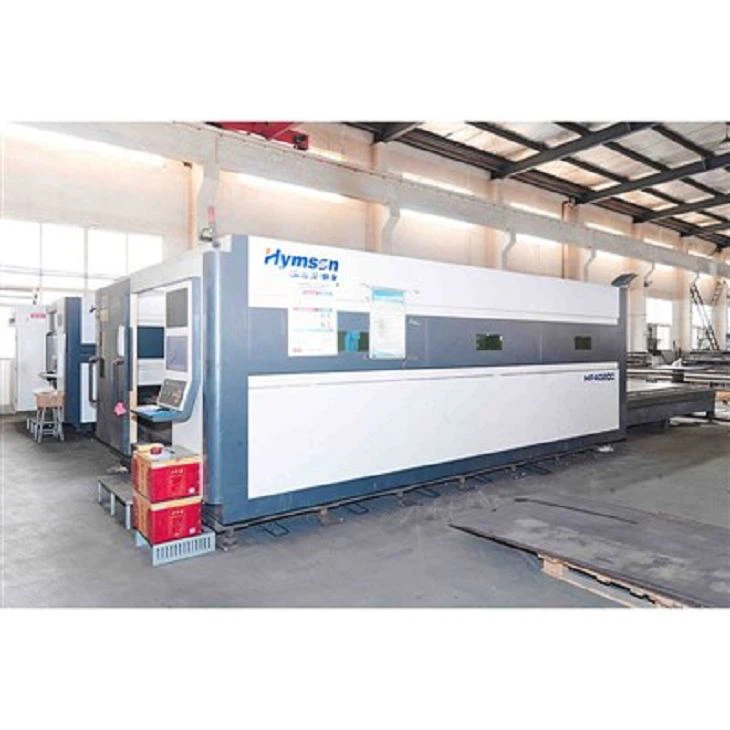
In addition, you can explore our products related to bases, such as the Pipe Cutting Machine Base, Laser Cutting Machine, and CNC Machine Base. If you are interested in any of these products or have any questions about our base materials for road construction, feel free to reach out for a procurement discussion. We are eager to assist you in finding the best solutions for your projects.