

Yo, what's up music lovers and industry peeps! Today, I wanna dive into the concept of a 'base tempo' in music. And yeah, I'm also here as a base supplier, so stick around 'cause there's some cool stuff coming your way.
So, first things first, what the heck is a 'base tempo'? Well, think of it as the heartbeat of a musical piece. It's the steady rhythm that everything else in the song builds on. You know when you're tapping your foot or nodding your head to a tune? That consistent beat you're feeling is often the base tempo.
In a way, the base tempo sets the mood and the energy level of the music. A slow base tempo, like say around 60 beats per minute (BPM), can create a laid - back, mellow vibe. It's perfect for those chill, late - night songs or ballads. You can just sit back, relax, and let the music wash over you. On the other hand, a fast base tempo, maybe 120 BPM or higher, can get you pumped up and ready to dance. It's the kind of tempo you'll find in a lot of pop, dance, and electronic music.
Now, let's talk about how the base tempo affects different elements of a song. The melody, for instance, is closely tied to the base tempo. Composers and songwriters have to make sure that the notes they're using fit well within the framework of the tempo. If the tempo is fast, the melody might have more quick, short notes to keep up with the pace. And if it's slow, the melody can have longer, drawn - out notes to match the relaxed feel.

The harmony is also influenced by the base tempo. In a slow - tempo song, the chords might change more gradually, giving the listener time to soak in each one. But in a fast - tempo song, the chords might change more rapidly, creating a sense of excitement and movement.
As a base supplier, I've seen how important it is to get the base tempo right in different musical projects. Whether it's a small indie band recording in a garage or a big - name artist in a professional studio, the base tempo is the foundation that everything else is built upon. We work closely with musicians to understand their vision and help them find the perfect base tempo for their music.
Now, let's switch gears a bit and talk about how the concept of a base tempo can be related to other industries. You might be thinking, "What does music have to do with machining or welding?" Well, in a way, there's a similar concept of a base rhythm or pace in those industries too.
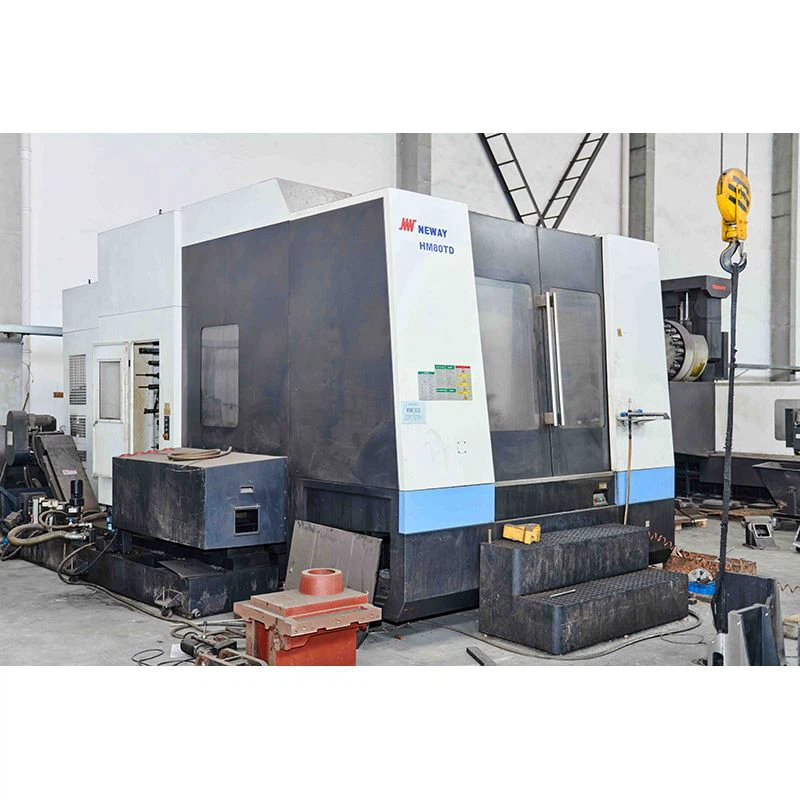
For example, in a Horizontal Machining Center, there's an optimal speed or tempo at which the machine operates most efficiently. Just like in music, if the tempo is too fast, there might be errors or a decrease in quality. And if it's too slow, it can be a waste of time and resources.
The same goes for Welding. A welder has to work at a consistent pace to ensure a strong and even weld. It's all about finding that sweet spot, just like finding the right base tempo in music.
And then there's the Laser Cutting Machine. The speed at which the laser cuts through materials is crucial. Too fast, and it might not cut properly. Too slow, and it can cause unnecessary damage to the material.
Back to music, how do you actually determine the base tempo of a song? There are a few ways. One common method is to use a metronome. A metronome is a device that produces a steady beat at a set number of BPM. Musicians can set the metronome to different tempos and see which one feels right for their song.
Another way is to rely on your instincts. Sometimes, you just know when a song has that right feel. You can listen to similar songs in the genre you're working in and get an idea of the typical base tempo.
Once you've decided on the base tempo, it's not set in stone. You can always make adjustments as you're creating the song. Maybe you find that a slightly faster or slower tempo works better with a particular section of the melody or a new idea you've come up with.
As a base supplier, we offer a range of services to help musicians with their base tempo needs. We can provide guidance on choosing the right tempo, and we also have the equipment and expertise to ensure that the tempo is accurately captured during the recording process.
If you're a musician looking to take your music to the next level, or if you're in an industry where finding the right pace is crucial, don't hesitate to reach out. We're here to help you find that perfect base tempo, whether it's in music or in your industrial processes.
In conclusion, the base tempo in music is like the North Star. It guides the whole musical journey, from the first note to the last. And just like in other industries, finding the right tempo is essential for success. So, if you've got a project in mind and you need some help with the base tempo, let's have a chat. We can work together to make your vision a reality.
References
- "The Psychology of Music" by John Sloboda
- "Music Composition for Dummies" by Michael Pilhofer and Holly Day