

Hey there! As a supplier of laser cutting machines, I often get asked about the power range of these nifty devices. So, I thought I'd sit down and write a blog post to clear up any confusion and give you all the deets.
First things first, let's talk about what laser cutting machines are. A Laser Cutting Machine is a tool that uses a high-powered laser to cut through various materials, such as metal, wood, plastic, and more. These machines are widely used in industries like manufacturing, automotive, aerospace, and even in some creative fields.
Now, onto the power range. The power of a laser cutting machine is measured in watts (W) or kilowatts (kW), and it plays a crucial role in determining the machine's cutting capabilities. Generally, the power range of laser cutting machines can vary from as low as 100W to as high as 40kW or more. Let's break it down into different segments to understand it better.
Low-Power Laser Cutting Machines (100W - 500W)
These machines are perfect for small-scale projects and hobbyists. They're great for cutting thin materials like paper, cardboard, thin plastics, and even some softwoods. If you're just starting out with laser cutting or have a home-based business that focuses on small, intricate designs, a low-power laser cutting machine is a good choice. They're relatively affordable, easy to operate, and don't require a lot of space.

However, their limitations are obvious. They can't cut through thick or dense materials, and the cutting speed is relatively slow compared to higher-power machines. But for tasks like creating custom greeting cards, small jewelry pieces, or simple signage, they do the job just fine.
Medium-Power Laser Cutting Machines (500W - 3000W)
This power range is where things start to get more serious. Medium-power laser cutting machines are commonly used in small to medium-sized manufacturing businesses. They can cut through a wider range of materials, including thicker plastics, mild steel up to a few millimeters thick, and some non-ferrous metals.
The advantage of these machines is that they offer a good balance between cutting power and cost. They're more versatile than low-power machines and can handle a wider variety of projects. For example, they can be used to cut parts for small machinery, create custom metal art, or produce components for the electronics industry.
High-Power Laser Cutting Machines (3000W - 10000W)
High-power laser cutting machines are the workhorses of the industrial world. They're designed for heavy-duty cutting tasks and can handle thick metals, such as stainless steel, aluminum, and copper, with ease. These machines are commonly used in large manufacturing plants, automotive factories, and the aerospace industry.
With their high cutting speed and precision, they can significantly increase productivity and reduce production time. However, they come with a higher price tag and require more space and maintenance. But if you're in an industry that demands high-volume, high-quality cutting, a high-power laser cutting machine is a must-have.
Ultra-High-Power Laser Cutting Machines (10000W+)
These are the big boys of the laser cutting world. Ultra-high-power laser cutting machines are capable of cutting through extremely thick materials, sometimes up to several inches. They're used in specialized industries where precision cutting of thick metals is required, such as shipbuilding and heavy machinery manufacturing.
The technology behind these machines is constantly evolving, and they offer unparalleled cutting performance. But they're also very expensive and require a significant investment in terms of infrastructure and training.
So, how do you choose the right power range for your needs? Well, it depends on several factors. First, think about the materials you'll be cutting. If you're mainly working with thin materials, a low-power machine will suffice. But if you need to cut through thick metals on a regular basis, you'll need a high-power machine.
Second, consider the volume of work. If you have a high-volume production line, a high-power machine will help you meet your production targets more efficiently. On the other hand, if you have a small business with occasional projects, a medium-power machine might be more suitable.
Finally, think about your budget. Laser cutting machines can range from a few thousand dollars to hundreds of thousands of dollars, depending on the power and features. Make sure you choose a machine that fits your budget without compromising on the quality and performance you need.
As a Laser Cutting Machine supplier, I've seen firsthand how different power ranges can make a big difference in the success of a business. Whether you're a hobbyist looking to start a new project or a large corporation in need of a high-power cutting solution, we have a wide range of machines to choose from.
We also offer comprehensive support and training to ensure that you get the most out of your laser cutting machine. Our team of experts is always available to answer your questions and provide guidance on everything from machine selection to maintenance.
If you're in the market for a laser cutting machine, don't hesitate to reach out to us. We can help you find the perfect machine for your needs and budget. Whether you're interested in a low-power machine for your home workshop or a high-power machine for your industrial facility, we've got you covered.
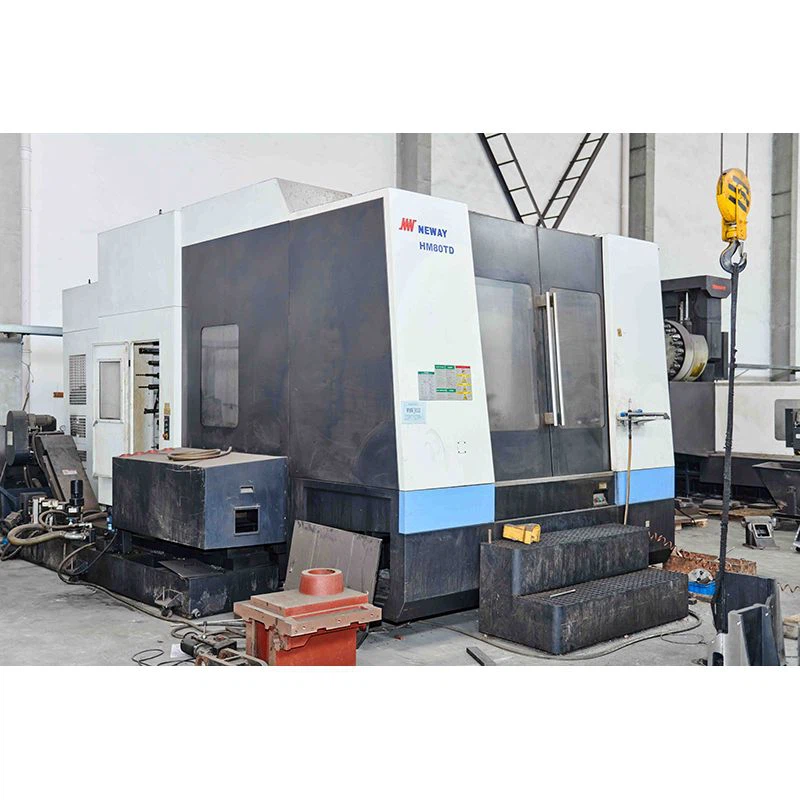
And if you're also looking for other machining solutions, we also offer Horizontal Machining Center that can complement your laser cutting operations. These centers are great for precision machining tasks and can help you take your manufacturing capabilities to the next level.
So, what are you waiting for? Contact us today to start the conversation and see how we can help you achieve your cutting goals. Let's work together to find the perfect laser cutting machine for your business!
References
- Industrial Laser Solutions Magazine
- Laser Cutting Technology Handbook