

Operating a precision gantry mill is no joke. It's a powerful piece of machinery that can get a lot of work done, but it also comes with its fair share of risks. As a precision gantry mill supplier, I've seen firsthand the importance of safety precautions. In this blog, I'm gonna walk you through some key safety measures you should take when running a precision gantry mill.
Pre - operation Checks
Before you even think about firing up that gantry mill, there are some crucial pre - operation checks you need to do. First off, take a good look at the machine's overall condition. Check for any visible signs of damage, like cracks in the frame or loose parts. Loose components can cause vibrations during operation, which not only affect the quality of the work but can also be dangerous.
Inspect the electrical system. Make sure all the wires are properly connected and there are no frayed cables. Faulty electrical connections can lead to short circuits, which can start a fire or cause electrical shocks. It's also a good idea to test the emergency stop button. Press it and make sure the machine comes to an immediate halt. This button could be a lifesaver in case something goes wrong.
Check the lubrication levels. Precision gantry mills have a lot of moving parts, and proper lubrication is essential to keep them running smoothly. Low lubrication can cause excessive wear and tear on the components, leading to breakdowns and potentially dangerous situations. Refer to the machine's manual to find out the correct lubrication points and the type of lubricant to use.
Personal Protective Equipment (PPE)
Wearing the right PPE is non - negotiable when operating a precision gantry mill. Start with safety glasses. Metal shavings and debris can fly off during the machining process, and safety glasses will protect your eyes from these hazards. Make sure the glasses fit properly and have side shields for added protection.
Ear protection is also important. Gantry mills can be quite noisy, and prolonged exposure to high - decibel noise can cause hearing loss. You can choose between earplugs or earmuffs, depending on your preference. Just make sure they are rated for the noise level of the machine.
Wear appropriate clothing. Avoid loose - fitting clothes, as they can get caught in the moving parts of the machine. Opt for snug - fitting work clothes made of durable materials. Also, wear steel - toed boots to protect your feet from falling objects or any heavy parts that might accidentally drop.
Machine Setup
When setting up the precision gantry mill, pay close attention to the workpiece. Make sure it is securely clamped to the table. An unsecured workpiece can shift during machining, causing the tool to break or the machine to malfunction. Use the right clamping devices and follow the manufacturer's instructions for proper clamping force.

Choose the right cutting tools. Using the wrong tool for the job can lead to poor machining results and can also be dangerous. The tool should be sharp and in good condition. Dull tools can cause excessive heat buildup, which can damage the workpiece and the machine. Check the tool's specifications and make sure it is suitable for the material you are machining.
Set the correct speeds and feeds. This is crucial for both the quality of the work and the safety of the operator. Incorrect speeds and feeds can cause the tool to break or the machine to overheat. Refer to the machine's manual or use a cutting data calculator to determine the appropriate settings for your specific job.
During Operation
During the operation of the precision gantry mill, always keep a safe distance from the moving parts. Never reach into the machine while it is running, even if you think you can quickly grab something. The machine's moving parts can cause serious injuries, including amputations.
Keep the work area clean. Remove any chips, debris, or coolant from the table and the surrounding area regularly. A cluttered work area can increase the risk of slips, trips, and falls. Also, make sure the coolant is flowing properly. Coolant helps to reduce heat and friction during machining, and a lack of coolant can damage the tool and the workpiece.
Monitor the machine closely. Listen for any unusual noises or vibrations. If you notice anything out of the ordinary, stop the machine immediately and investigate the cause. Ignoring these warning signs can lead to more serious problems down the line.
Post - operation Procedures
Once you're done using the precision gantry mill, turn off the power and wait for all the moving parts to come to a complete stop. Then, clean the machine thoroughly. Remove any remaining chips and debris, and wipe down the surfaces with a clean cloth. This not only helps to keep the machine in good condition but also reduces the risk of corrosion.
Store the cutting tools properly. Keep them in a tool cabinet or a designated storage area. This helps to prevent damage to the tools and ensures that they are easily accessible for the next use.
Document any issues or maintenance that was done during the operation. This record can be useful for future reference and can help you identify any recurring problems with the machine.
Additional Safety Considerations
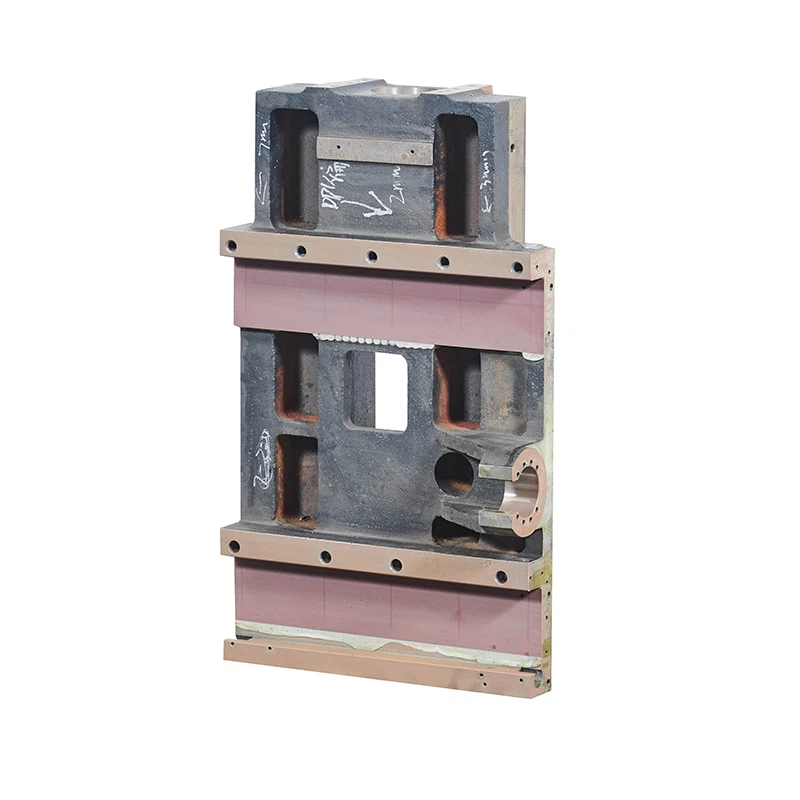
If you're using accessories or attachments with the precision gantry mill, make sure they are compatible with the machine. Using incompatible accessories can cause the machine to malfunction and can be dangerous. For example, when using a Saddle Seat, ensure that it is properly installed and rated for the machine's capacity.
Be aware of the weight limits of the machine. Overloading the gantry mill can cause structural damage and can be extremely dangerous. Refer to the machine's specifications to determine the maximum weight it can handle.
If you need to perform maintenance or repairs on the machine, always follow the proper procedures. Disconnect the power supply before starting any work, and use the correct tools. If you're not confident in your abilities, it's best to call in a professional technician.
Conclusion
Operating a precision gantry mill requires a high level of attention to safety. By following these safety precautions, you can minimize the risks and ensure a safe working environment. Remember, safety is not just a one - time thing; it's an ongoing commitment.
If you're in the market for a precision gantry mill or need more information about safety measures, don't hesitate to reach out. We're here to help you make the right choice and ensure that you can operate your machine safely and efficiently. Whether you're looking for a CNC Lathe Saddle or a Bending Machine, we've got you covered. Contact us for a consultation and let's start a conversation about your machining needs.
References
- Manufacturer's manual for precision gantry mills
- Occupational Safety and Health Administration (OSHA) guidelines for machine operation
- Industry best practices for precision machining safety