

Hey there! As a shaft sleeve supplier, I've been in the game for quite a while, and I know how crucial it's to have an optimized shaft sleeve design. In this blog, I'm gonna share some tips and tricks on how to make your shaft sleeve design top - notch.
Understanding the Basics of Shaft Sleeve Design
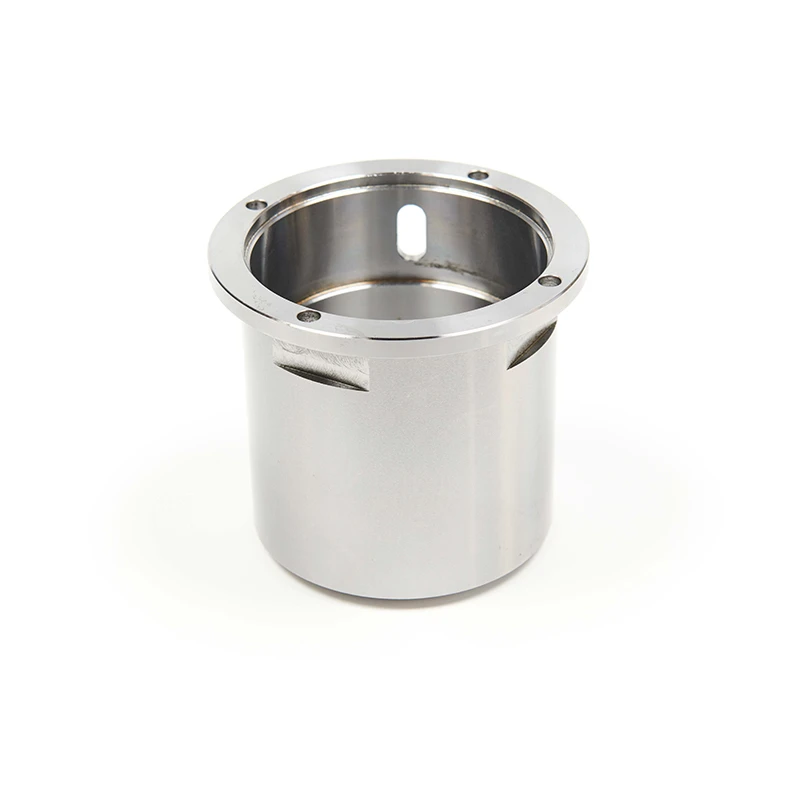
First things first, let's talk about what a shaft sleeve is. A shaft sleeve is a cylindrical component that fits over a shaft. It serves multiple purposes, like protecting the shaft from wear and tear, reducing friction, and providing a smooth surface for other parts to interact with.
When you're designing a shaft sleeve, you gotta consider the application it'll be used in. Is it for a high - speed machine? Or maybe a heavy - duty industrial setup? The environment also plays a huge role. If it's gonna be exposed to harsh chemicals or extreme temperatures, the design needs to account for that.
Material Selection
The choice of material is super important. You want a material that can withstand the conditions of the application. For instance, if the shaft sleeve is going to be used in a corrosive environment, you might want to go for stainless steel. It's resistant to rust and can hold up well over time.
On the other hand, if you're looking for something lightweight and cost - effective, aluminum could be a good option. It's easy to machine and has decent strength. But keep in mind, aluminum might not be the best choice for high - stress applications.
Some other materials you could consider are bronze and brass. Bronze is known for its excellent wear resistance and low friction properties, making it great for shaft sleeves in machinery that requires smooth operation. Brass, meanwhile, has good corrosion resistance and is also relatively easy to machine.
Dimensioning and Tolerances
Getting the dimensions right is key. The inner diameter of the shaft sleeve has to match the shaft it's going on. A too - tight fit can cause problems during installation and might lead to premature wear. A too - loose fit, on the other hand, won't provide the necessary support and could result in the sleeve moving around.
Tolerances are also important. You need to specify the allowable variation in dimensions. Tighter tolerances mean a more precise fit, but they can also increase the cost of manufacturing. So, you gotta find the right balance based on the requirements of the application. For example, in a precision - engineered machine, you might need very tight tolerances, but in a less critical application, looser tolerances could work just fine.
Surface Finish
The surface finish of the shaft sleeve can have a big impact on its performance. A smooth surface finish reduces friction, which in turn can improve the efficiency of the machinery. It also helps prevent wear and tear on both the shaft sleeve and the shaft.
There are different ways to achieve a good surface finish. Machining processes like grinding and honing can be used to create a smooth surface. You can also apply coatings to further enhance the surface properties. For example, a Teflon coating can reduce friction even more and provide additional protection against corrosion.
Design for Assembly and Disassembly
You don't want a shaft sleeve that's a pain to install or remove. The design should allow for easy assembly and disassembly. This can save time and money during maintenance and repairs.
One way to do this is by incorporating features like chamfers or bevels on the edges of the shaft sleeve. These make it easier to slide the sleeve onto the shaft. You can also design the sleeve in a way that it can be removed without having to disassemble the entire machine.
Incorporating Additional Features
Depending on the application, you might want to add some extra features to the shaft sleeve. For example, if the sleeve is used in a pump, you might want to include a Gland. A gland helps to seal the shaft and prevent leakage.
Another feature could be a Vertical Bearing Seat. This provides support for the shaft and helps to keep it in place. It can improve the stability of the machinery and reduce vibrations.
Testing and Validation
Once you've come up with a design, it's important to test it. You can use computer - aided simulation tools to analyze the performance of the shaft sleeve under different conditions. This can help you identify any potential issues before you start manufacturing.
Physical testing is also crucial. You can test the shaft sleeve in a real - world environment or in a laboratory setting. This will give you a better idea of how it performs and whether any adjustments need to be made to the design.
Cost - Effective Design
As a supplier, I know that cost is always a concern. You want to optimize the design without breaking the bank. One way to do this is by using standard materials and components whenever possible. This can reduce the cost of raw materials and manufacturing.
You can also look for ways to simplify the design. Fewer features and a simpler shape can often lead to lower manufacturing costs. But remember, you don't want to sacrifice performance for cost. You need to find the right balance.

Collaboration with Manufacturers
Working closely with your manufacturer is essential. They have the expertise and experience to help you optimize the design. They can offer suggestions on manufacturing processes, material selection, and cost - saving measures.
For example, the manufacturer might be able to recommend a more efficient machining process that can reduce the production time and cost. They can also help you ensure that the design meets all the necessary manufacturing requirements.
Keeping Up with Industry Trends
The industry is constantly evolving, and it's important to stay up - to - date with the latest trends. New materials and manufacturing technologies are being developed all the time, and these can have a big impact on shaft sleeve design.
For instance, 3D printing is becoming more and more popular in the manufacturing industry. It offers the ability to create complex shapes and designs that might not be possible with traditional machining methods. By keeping an eye on these trends, you can incorporate new ideas into your shaft sleeve designs and stay ahead of the competition.
Conclusion
Optimizing the design of a shaft sleeve is a multi - faceted process. It involves everything from material selection and dimensioning to surface finish and additional features. By following the tips and tricks I've shared in this blog, you can create a shaft sleeve that performs well, is easy to install and maintain, and is cost - effective.
If you're in the market for high - quality shaft sleeves or need help with optimizing your shaft sleeve design, feel free to reach out. We're here to assist you every step of the way. Whether you're a small business or a large corporation, we can provide the solutions you need. Check out our Shaft Sleeve offerings and let's start a conversation about your specific requirements.
References
- "Mechanical Design Handbook" by Robert C. Juvinall and Kurt M. Marshek
- "Materials Science and Engineering: An Introduction" by William D. Callister Jr. and David G. Rethwisch
- Industry whitepapers on shaft sleeve design and manufacturing