

Hey there, fellow machining enthusiasts! I'm a supplier of CNC Lathe Saddle, and today I'm gonna share with you how to repair a damaged CNC lathe saddle. This is a topic close to my heart because I've seen firsthand how a malfunctioning saddle can throw a wrench in your machining operations. So, let's roll up our sleeves and get into it!
Understanding the CNC Lathe Saddle
First things first, let's talk about what a CNC Lathe Saddle is. The saddle is a crucial part of a CNC lathe. It's the component that moves along the bed of the lathe, carrying the cross-slide and the tool post. It's responsible for the precise movement of the cutting tools during the machining process. Without a properly functioning saddle, you're gonna have a hard time getting accurate cuts and high-quality finishes.
Signs of a Damaged Saddle
Before you can repair a damaged saddle, you need to know what to look for. Here are some common signs that your saddle might be in trouble:
- Strange Noises: If you hear grinding, squeaking, or rattling noises when the saddle is moving, it could be a sign of wear or damage to the bearings, ways, or other components.
- Inconsistent Movement: Does the saddle move smoothly or does it jerk or stick? Inconsistent movement can indicate problems with the lubrication, the gibs, or the lead screw.
- Poor Machining Quality: If you're noticing rough finishes, inaccurate dimensions, or other machining issues, it could be due to a misaligned or damaged saddle.
- Visible Damage: Check the saddle for any visible signs of wear, such as scratches, dents, or cracks. These can be caused by impacts, excessive loads, or improper maintenance.
Tools and Materials You'll Need
Once you've identified that your saddle is damaged, it's time to gather the tools and materials you'll need for the repair. Here's a list of some common items:
- Measuring Tools: Calipers, micrometers, and dial indicators will help you measure the dimensions of the saddle and check for alignment.
- Wrenches and Screwdrivers: You'll need a variety of wrenches and screwdrivers to remove and install the components of the saddle.
- Lubricants: High-quality lubricants will help reduce friction and wear on the moving parts of the saddle.
- Replacement Parts: Depending on the extent of the damage, you may need to replace some components of the saddle, such as bearings, gibs, or lead screws.
- Cleaning Supplies: Solvents, brushes, and rags will help you clean the saddle and remove any dirt, debris, or old lubricant.
Step-by-Step Repair Process
Now that you have everything you need, it's time to start the repair process. Here's a general guide on how to repair a damaged CNC lathe saddle:
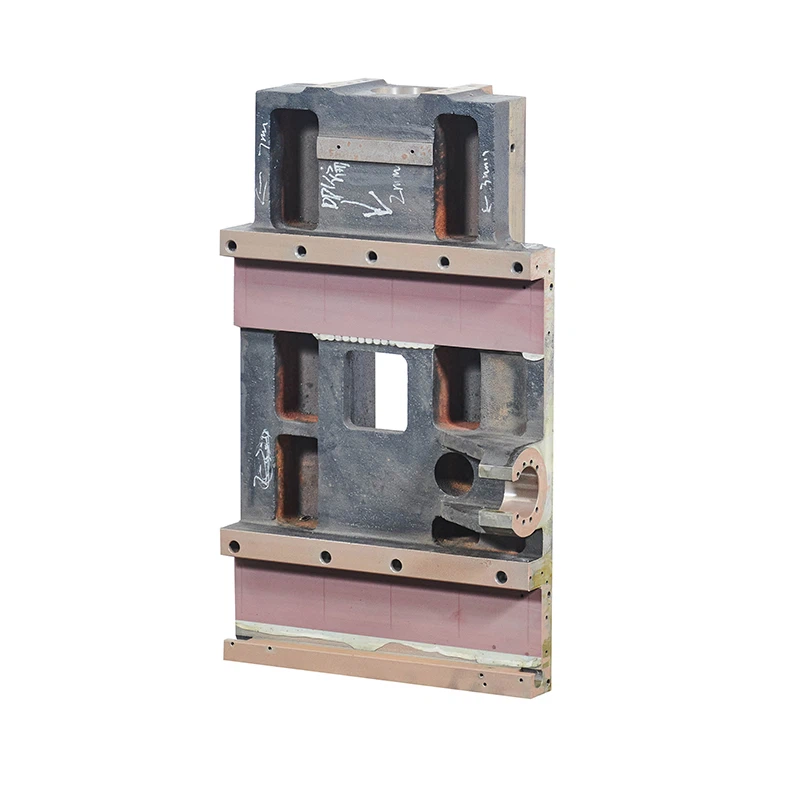

Step 1: Disassembly
- Power Off: Before you start working on the lathe, make sure it's powered off and unplugged to avoid any electrical hazards.
- Remove the Tool Post and Cross-Slide: Use the appropriate wrenches and screwdrivers to remove the tool post and cross-slide from the saddle.
- Remove the Saddle from the Bed: Loosen the bolts or clamps that hold the saddle to the bed of the lathe and carefully lift it off.
Step 2: Inspection
- Clean the Saddle: Use a solvent and a brush to clean the saddle and remove any dirt, debris, or old lubricant.
- Inspect the Components: Check the bearings, ways, gibs, lead screw, and other components of the saddle for wear, damage, or misalignment. Look for any signs of cracks, scratches, or excessive play.
- Measure the Dimensions: Use your measuring tools to measure the dimensions of the saddle and check for any deviations from the specifications.
Step 3: Repair or Replace Damaged Components
- Replace Worn Bearings: If the bearings are worn or damaged, they'll need to be replaced. Make sure to use the correct type and size of bearings for your lathe.
- Repair or Replace Gibs: The gibs are used to adjust the clearance between the saddle and the bed of the lathe. If they're worn or damaged, they can be repaired or replaced.
- Check and Adjust the Lead Screw: The lead screw is responsible for the precise movement of the saddle. Check it for wear, damage, or misalignment and make any necessary adjustments or replacements.
- Machine or Replace Damaged Ways: If the ways of the saddle are damaged, they may need to be machined or replaced. This is a more complex repair that may require the use of specialized equipment and expertise.
Step 4: Reassembly
- Lubricate the Components: Apply a thin layer of lubricant to the bearings, ways, and other moving parts of the saddle.
- Install the Components: Carefully install the bearings, gibs, lead screw, and other components back into the saddle. Make sure they're properly aligned and tightened.
- Reinstall the Saddle on the Bed: Lower the saddle back onto the bed of the lathe and tighten the bolts or clamps.
- Install the Cross-Slide and Tool Post: Reattach the cross-slide and tool post to the saddle.
Step 5: Testing and Adjustment
- Power On the Lathe: Plug in the lathe and turn it on.
- Check the Movement of the Saddle: Slowly move the saddle back and forth along the bed of the lathe and check for smooth, consistent movement.
- Make Any Necessary Adjustments: If the saddle isn't moving smoothly or if there are any issues with the alignment, make any necessary adjustments to the gibs, lead screw, or other components.
- Test the Machining Quality: Run a test piece on the lathe and check the machining quality. If the finishes are rough or the dimensions are inaccurate, make further adjustments as needed.
Preventive Maintenance
Now that you've repaired your damaged CNC lathe saddle, it's important to take steps to prevent future damage. Here are some tips for preventive maintenance:
- Regular Cleaning and Lubrication: Clean the saddle and apply lubricant to the moving parts on a regular basis to reduce friction and wear.
- Proper Use and Handling: Follow the manufacturer's instructions for operating the lathe and avoid overloading or abusing the saddle.
- Regular Inspections: Periodically inspect the saddle for signs of wear, damage, or misalignment and make any necessary repairs or adjustments.
- Training and Education: Make sure your operators are properly trained on the use and maintenance of the lathe to prevent unnecessary damage.
Conclusion
Repairing a damaged CNC lathe saddle can be a challenging but rewarding task. By following the steps outlined in this blog post and taking the time to perform regular preventive maintenance, you can keep your lathe running smoothly and ensure high-quality machining results.
If you're in the market for a new CNC Lathe Saddle, Pipe Cutting Machine Base, or Laser Cutting Machine, I'd love to help. As a supplier, I have a wide range of high-quality products to meet your needs. Feel free to reach out to me to discuss your requirements and get a quote. Let's work together to take your machining operations to the next level!
References
- Machinery's Handbook
- CNC Lathe Operator's Manual