

Hey there! As a supplier in the large - scale machining industry, I've been through the ins and outs of making big investments in machining equipment. And let me tell you, doing a cost - benefit analysis is crucial. It's like a roadmap that helps us figure out if a particular investment is worth the time, money, and effort. So, in this blog, I'm gonna break down the cost - benefit analyses for large - scale machining investments.
The Costs
First off, let's talk about the costs. When we're looking at large - scale machining investments, there are several things that we need to shell out money for.
Equipment Purchase
The most obvious cost is the price of the machinery itself. Whether it's a Pipe Cutting Machine Base or a Laser Cutting Machine, these machines don't come cheap. High - end equipment can cost hundreds of thousands or even millions of dollars. And it's not just about the base price. There are often additional costs for customizations, software licenses, and installation.
Installation and Setup
Once we've bought the machine, we need to get it up and running. This involves installation, which might require specialized technicians. They need to ensure that the machine is properly calibrated and integrated into our existing production line. There are also costs associated with modifying our facilities to accommodate the new equipment, like electrical upgrades or floor reinforcements.
Training
Our workers need to know how to operate the new machinery safely and efficiently. So, we have to invest in training programs. These can be in - house or provided by the equipment manufacturer. Training can take weeks or even months, depending on the complexity of the machine. And during this time, our employees are not fully productive, which also represents a cost to the business.
Maintenance and Repairs
Machines break down, and they need regular maintenance to keep running smoothly. We have to budget for routine maintenance, such as oil changes, part replacements, and software updates. And when something goes wrong, the cost of repairs can be significant. Sometimes, we might even need to buy spare parts in advance to minimize downtime.
Operational Costs
There are also ongoing operational costs. These include energy consumption, raw materials, and consumables. For example, a Laser Cutting Machine uses a lot of electricity, and we need to factor that into our cost analysis. Additionally, we need to purchase the appropriate cutting tools, gases, and other materials required for the machining process.
The Benefits
Now, let's look at the bright side - the benefits of making large - scale machining investments.
Increased Productivity
One of the biggest advantages is increased productivity. Newer and more advanced machines can often produce more parts in less time compared to older equipment. They can operate at higher speeds, have better precision, and can run continuously with minimal human intervention. This means we can meet customer demands more quickly and potentially take on more orders.
Improved Quality
Investing in high - quality machining equipment can lead to better - finished products. The precision and accuracy of modern machines result in fewer defects and higher - quality parts. This can improve our reputation in the market and lead to more repeat business and higher customer satisfaction.
Cost Savings in the Long Run
While the initial investment is high, in the long run, new machines can save us money. They are often more energy - efficient, which reduces our energy bills. And because they are more reliable, we can expect fewer breakdowns and less downtime. This means we can keep our production lines running smoothly and avoid the high costs associated with lost production.
Competitive Advantage
In today's competitive market, having the latest and greatest equipment can give us a significant edge. It allows us to offer more advanced products and services than our competitors. We can take on more complex projects and meet the evolving needs of our customers. This can help us expand our market share and increase our profitability.

Diversification
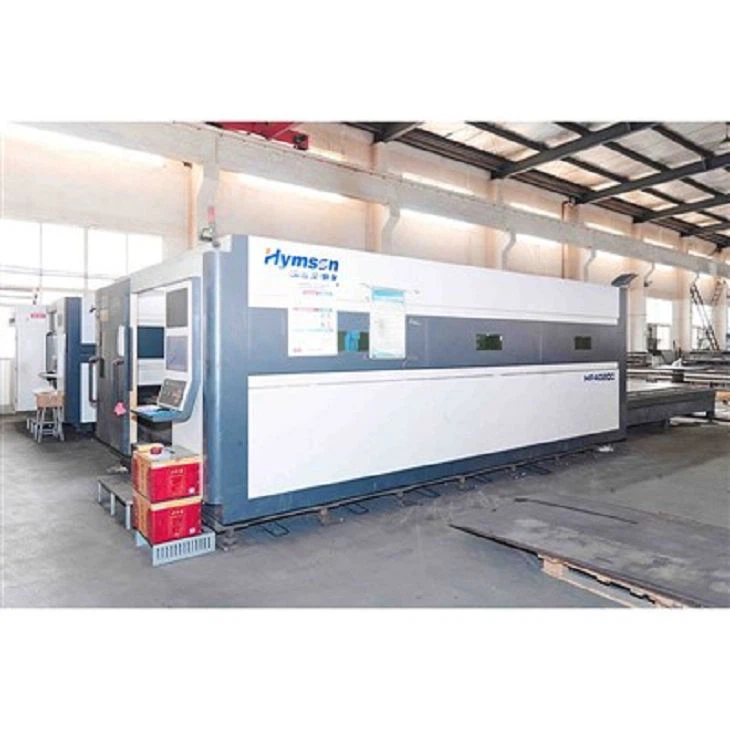
Investing in new machining equipment can also allow us to diversify our product offerings. For example, if we invest in a laser cutting machine, we can start producing parts that we couldn't make before. This opens up new markets and revenue streams for our business.
Conducting a Cost - Benefit Analysis
So, how do we actually conduct a cost - benefit analysis for large - scale machining investments?
Identify the Costs and Benefits
The first step is to list all the costs and benefits associated with the investment. We need to be as detailed as possible, including both direct and indirect costs and benefits. This might involve consulting with different departments in our company, such as finance, production, and sales.
Assign Monetary Values
Once we've identified the costs and benefits, we need to assign monetary values to them. This can be tricky, especially for intangible benefits like improved reputation or customer satisfaction. But we can use historical data, industry benchmarks, and market research to estimate these values.
Calculate the Net Present Value (NPV)
The net present value is a key metric in cost - benefit analysis. It takes into account the time value of money, which means that a dollar received in the future is worth less than a dollar received today. We discount the future costs and benefits back to their present values and then subtract the total costs from the total benefits. If the NPV is positive, the investment is generally considered worthwhile.
Analyze the Payback Period
Another important metric is the payback period. This is the time it takes for the investment to pay for itself through the generated benefits. A shorter payback period is generally better, as it means we can recoup our investment more quickly.
Conclusion
In conclusion, large - scale machining investments are a big deal. They involve significant costs, but they also offer the potential for substantial benefits. By conducting a thorough cost - benefit analysis, we can make informed decisions about whether to invest in new equipment.
If you're in the market for large - scale machining services or equipment, I'd love to talk to you. Whether you're looking to improve your productivity, quality, or expand your product offerings, we can work together to find the right solutions for your business. Don't hesitate to reach out and start a conversation about your procurement needs.
References
- [Title of a relevant industry report], [Author], [Publication year]
- [Title of a book on cost - benefit analysis], [Author], [Publication year]
- [Title of an academic article on machining investments], [Author], [Publication year]