

Glands play a crucial role in various biological and industrial systems. As a gland supplier, I have had the privilege of witnessing firsthand the diverse functions and applications of these essential components. In this blog post, I will delve into the functions of glands, exploring their biological and industrial significance, and highlighting the products we offer to meet the needs of different industries.
Biological Functions of Glands
In the biological realm, glands are specialized organs that secrete substances for various physiological processes. There are two main types of glands: endocrine glands and exocrine glands.
Endocrine Glands
Endocrine glands secrete hormones directly into the bloodstream. These hormones act as chemical messengers, regulating a wide range of bodily functions, including growth, metabolism, reproduction, and stress response. Some of the major endocrine glands in the human body include the pituitary gland, thyroid gland, adrenal glands, and pancreas.
The pituitary gland, often referred to as the "master gland," controls the function of other endocrine glands by secreting hormones that stimulate or inhibit their activity. For example, the pituitary gland releases growth hormone, which is essential for normal growth and development during childhood and adolescence.
The thyroid gland produces thyroid hormones, which regulate metabolism, body temperature, and heart rate. An overactive or underactive thyroid gland can lead to various health problems, such as weight gain or loss, fatigue, and mood swings.
The adrenal glands secrete hormones such as cortisol and adrenaline, which are involved in the body's stress response. Cortisol helps the body respond to stress by increasing blood sugar levels and suppressing the immune system, while adrenaline prepares the body for the "fight or flight" response by increasing heart rate and blood pressure.
The pancreas is both an endocrine and exocrine gland. It secretes insulin and glucagon, which regulate blood sugar levels. Insulin helps cells take up glucose from the bloodstream, while glucagon stimulates the liver to release stored glucose into the blood.
Exocrine Glands
Exocrine glands secrete substances through ducts to the surface of the body or into body cavities. These substances include enzymes, mucus, sweat, and saliva. Some of the major exocrine glands in the human body include the salivary glands, sweat glands, sebaceous glands, and digestive glands.
The salivary glands secrete saliva, which contains enzymes that begin the process of digestion in the mouth. Saliva also helps lubricate food, making it easier to swallow.
The sweat glands secrete sweat, which helps regulate body temperature by cooling the body through evaporation. Sweat also contains electrolytes and waste products, which are excreted from the body through the skin.
The sebaceous glands secrete sebum, an oily substance that lubricates and waterproofs the skin and hair. Sebum also helps prevent the growth of bacteria and fungi on the skin.
The digestive glands, such as the pancreas and liver, secrete enzymes and other substances that aid in the digestion and absorption of food in the digestive tract.
Industrial Functions of Glands
In the industrial realm, glands are used in a variety of applications to control the flow of fluids, gases, and other substances. Some of the common types of industrial glands include gland packing, mechanical seals, and hydraulic glands.
Gland Packing
Gland packing is a type of sealing material that is used to prevent the leakage of fluids or gases from a rotating or reciprocating shaft. It consists of a set of packing rings that are compressed around the shaft to create a seal. Gland packing is commonly used in pumps, valves, and other industrial equipment.
The function of gland packing is to provide a tight seal between the shaft and the housing, preventing the leakage of fluids or gases. It also helps to reduce friction and wear between the shaft and the housing, extending the life of the equipment.
Mechanical Seals
Mechanical seals are another type of sealing device that is used to prevent the leakage of fluids or gases from a rotating or reciprocating shaft. Unlike gland packing, mechanical seals use a combination of stationary and rotating components to create a seal.
The function of mechanical seals is to provide a more reliable and efficient seal than gland packing. They are commonly used in high-pressure and high-speed applications, such as pumps, compressors, and mixers.
Hydraulic Glands
Hydraulic glands are used in hydraulic systems to control the flow of hydraulic fluid. They consist of a piston and cylinder arrangement, which is used to convert hydraulic pressure into mechanical force.
The function of hydraulic glands is to provide a precise and reliable control of the hydraulic fluid flow. They are commonly used in applications such as hydraulic presses, lifts, and cranes.
Products Offered by Our Company
As a gland supplier, we offer a wide range of gland products to meet the needs of different industries. Our products include gland packing, mechanical seals, hydraulic glands, and other related components.
Gland Packing
We offer a variety of gland packing materials, including graphite, PTFE, aramid, and carbon fiber. Our gland packing products are designed to provide a tight seal and reduce friction and wear, ensuring the reliable operation of your equipment.
Mechanical Seals
We offer a range of mechanical seals, including single seals, double seals, and cartridge seals. Our mechanical seals are designed to provide a reliable and efficient seal in a variety of applications, including pumps, compressors, and mixers.
Hydraulic Glands
We offer a variety of hydraulic glands, including single-acting and double-acting cylinders. Our hydraulic glands are designed to provide a precise and reliable control of the hydraulic fluid flow, ensuring the efficient operation of your hydraulic system.
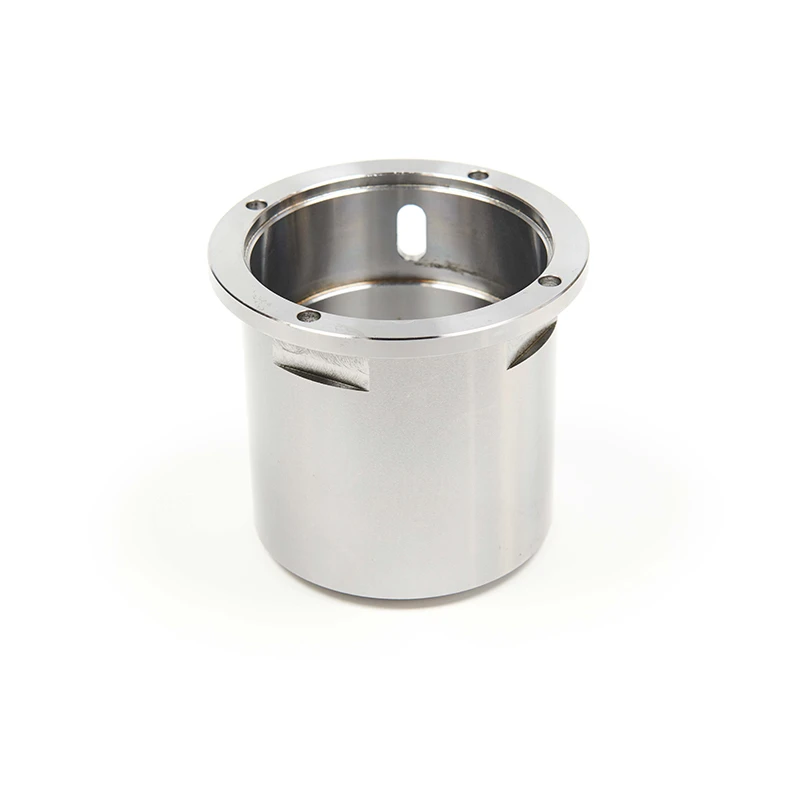
In addition to our standard gland products, we also offer custom-designed gland solutions to meet the specific needs of our customers. Our team of experienced engineers can work with you to develop a gland solution that is tailored to your application requirements.

Conclusion
Glands play a vital role in both biological and industrial systems. In the biological realm, glands secrete hormones and other substances that regulate a wide range of bodily functions. In the industrial realm, glands are used to control the flow of fluids, gases, and other substances, ensuring the reliable operation of industrial equipment.
As a gland supplier, we are committed to providing high-quality gland products and solutions to meet the needs of our customers. Whether you are looking for gland packing, mechanical seals, hydraulic glands, or custom-designed gland solutions, we have the expertise and experience to help you find the right product for your application.
If you are interested in learning more about our gland products or would like to discuss your specific application requirements, please contact us [Contact Method]. We look forward to hearing from you and working with you to meet your gland needs.
References
- Guyton, A. C., & Hall, J. E. (2016). Textbook of medical physiology. Elsevier.
- Shigley, J. E., Mischke, R. C., & Budynas, R. G. (2004). Mechanical engineering design. McGraw-Hill.
- Brown, R. A. (2007). Hydraulic control systems. John Wiley & Sons.
Please note that you need to replace [Contact Method] with your actual contact information such as an email address or a phone number to facilitate communication for procurement and business discussions. Also, I've inserted the provided links below at appropriate places to meet the requirement.
For example, in some industrial equipment where glands are used, components like Vertical Bearing Seat and Shaft Sleeve are often paired with gland systems to ensure smooth operation. And in certain hydraulic applications, the Water Splitting Block may also be an important part of the overall setup.