

What is a welding machine? Well, let me tell you, it's a pretty nifty piece of equipment that's super important in the world of metalworking. I'm a welding machine supplier, and I've seen firsthand how these machines can make a huge difference in all sorts of projects.
The Basics of a Welding Machine
At its core, a welding machine is a device that creates an electric arc or uses other heat - generating methods to join two or more pieces of metal together. There are different types of welding machines, each with its own unique way of getting the job done.
One of the most common types is the arc welding machine. This bad boy works by creating an electric arc between an electrode and the metal pieces you're trying to weld. The heat from the arc melts the metal, and when it cools down, the pieces are fused together. It's like magic, but with science!
Another popular type is the MIG (Metal Inert Gas) welding machine. MIG welding uses a continuous wire electrode that's fed through a welding gun. At the same time, a shielding gas is released to protect the weld from contaminants in the air. This type of welding is great for beginners because it's relatively easy to learn and can be used on a variety of metals.
Then there's TIG (Tungsten Inert Gas) welding. TIG welding is a bit more complex but produces high - quality, precise welds. It uses a non - consumable tungsten electrode to create the arc, and you add a filler metal separately if needed. TIG welding is often used in applications where the appearance and quality of the weld are crucial, like in the aerospace and automotive industries.
How Welding Machines Work
Let's take a closer look at how these machines actually work. First, you need to have a power source. Most welding machines are connected to an electrical outlet or a generator. The power source provides the energy needed to create the arc or generate heat.
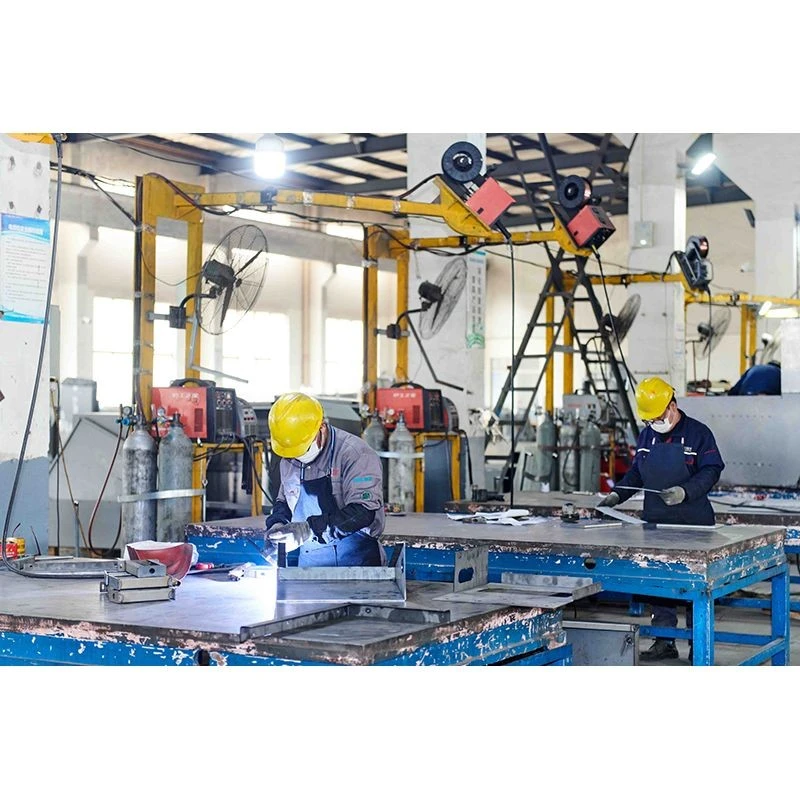

Once the power is on, you set the appropriate welding parameters. These parameters include things like the voltage, current, and wire feed speed (for MIG welding). Getting these settings right is crucial for a good weld. If the voltage is too high, the weld might be too hot and could burn through the metal. If it's too low, the weld might not be strong enough.
When you're ready to start welding, you bring the electrode or welding gun close to the metal. For arc welding, you strike the electrode against the metal to start the arc. In MIG and TIG welding, you usually press a trigger on the welding gun to start the arc. Once the arc is established, you move the electrode or gun along the joint between the metal pieces, melting the metal as you go.
Applications of Welding Machines
Welding machines are used in a wide range of industries. In the construction industry, they're used to build structures like bridges, buildings, and pipelines. Welded joints are strong and can withstand a lot of stress, making them ideal for these types of applications.
The automotive industry also relies heavily on welding machines. Cars are made up of many metal parts that need to be joined together. From the frame to the body panels, welding ensures that the parts are securely attached and the vehicle is safe to drive.
Manufacturing is another big area where welding machines are used. Whether it's making machinery, furniture, or consumer products, welding is often the go - to method for joining metal components. You can check out more about welding applications on this Welding page.
Advantages of Using Welding Machines
There are several advantages to using welding machines. First of all, welding creates a permanent bond between metal pieces. Unlike other joining methods like bolting or riveting, a welded joint is as strong as the base metal itself. This means that welded structures can handle heavy loads and are more durable.
Welding is also a very versatile process. You can weld different types of metals, including steel, aluminum, and stainless steel. This makes it suitable for a wide range of applications.
In addition, welding allows for a high degree of precision. With the right skills and equipment, you can create very intricate and detailed welds. This is especially important in industries where precision is key, like in the medical device manufacturing or jewelry making.
Choosing the Right Welding Machine
As a welding machine supplier, I often get asked how to choose the right machine. Well, it depends on a few factors. First, consider the type of welding you'll be doing. If you're just starting out and want to do some basic home projects, a MIG welding machine might be a good choice. It's easy to use and relatively affordable.
If you're working on more complex projects that require high - quality welds, like in a professional shop, a TIG welding machine might be worth the investment. However, keep in mind that TIG welding machines are more expensive and require more skill to operate.
You also need to think about the thickness of the metal you'll be welding. Thicker metals require more power, so you'll need a welding machine with a higher amperage rating.
Another factor to consider is the portability of the machine. If you need to move the welding machine around a lot, a smaller, more lightweight machine might be better. On the other hand, if it will stay in one place in a workshop, a larger, more powerful machine might be more suitable.
Other Related Equipment
Welding machines don't work alone. There are other pieces of equipment that you'll need to use with them. For example, you'll need welding helmets to protect your eyes and face from the intense light and heat of the arc. Welding gloves are also essential to protect your hands from burns.
In addition, if you're using a MIG or TIG welding machine, you'll need a shielding gas cylinder. The shielding gas protects the weld from oxidation and other contaminants.
Some welding projects might also require a Horizontal Machining Center to prepare the metal pieces before welding. A horizontal machining center can cut, drill, and shape the metal to the right dimensions.
Maintenance of Welding Machines
Proper maintenance of welding machines is crucial to ensure their longevity and performance. You should regularly clean the machine to remove dust and debris. Check the cables and connections for any signs of wear or damage. If you notice any frayed cables or loose connections, replace or tighten them immediately.
For machines that use consumables like electrodes or wire, make sure to store them properly. Keep them in a dry place to prevent rusting or other damage.
Also, follow the manufacturer's instructions for lubrication and other maintenance tasks. This will help keep the machine running smoothly and prevent breakdowns.
Safety Precautions
Welding can be dangerous if proper safety precautions aren't taken. Always wear the appropriate safety gear, including a welding helmet, gloves, and protective clothing. The welding helmet should have the correct shade of lens to protect your eyes from the bright arc light.
Make sure you're working in a well - ventilated area. Welding produces fumes and gases that can be harmful if inhaled. You might need to use a ventilation system or work outdoors.
Keep flammable materials away from the welding area. The heat from the arc can easily ignite these materials and cause a fire.
Conclusion
So, there you have it - a comprehensive look at what a welding machine is. Whether you're a DIY enthusiast looking to do some home repairs or a professional in the metalworking industry, a welding machine is a valuable tool.
As a welding machine supplier, I'm here to help you find the right machine for your needs. If you're interested in purchasing a welding machine or have any questions about welding in general, don't hesitate to reach out. We can discuss your project requirements and find the perfect solution for you. Whether you need a simple MIG welding machine for small projects or a high - end TIG welding machine for professional work, we've got you covered.
If you're in the market for some related equipment, like a Saddle Seat for your welding setup, we can also assist you in finding the right product. So, let's start a conversation and get you the equipment you need to take your welding projects to the next level.
References
- AWS Welding Handbook, American Welding Society
- Welding: Principles and Applications, Larry Jeffus