

Hey there! As a supplier of laser cutting machines, I often get asked about the difference between high-power and low-power laser cutting machines. Well, let's dive right into it and break down the key distinctions.
Power Output
The most obvious difference is, of course, the power output. Low-power laser cutting machines typically have a power range of around 100 - 500 watts. These machines are great for cutting thin materials like paper, cardboard, thin plastics, and sometimes very thin metals. They're like the little workhorses for small-scale projects, crafts, and prototyping.
On the other hand, high-power laser cutting machines can have power outputs starting from 1000 watts and going up to several thousand watts or even more. With this kind of power, they can slice through thick metals such as steel, aluminum, and copper with ease. They're the heavyweights in the laser cutting world, designed for industrial applications where large volumes of thick materials need to be cut quickly and precisely.
Cutting Speed
Power directly affects cutting speed. Low-power machines are relatively slow when it comes to cutting, especially when dealing with thicker materials. For example, if you're trying to cut a 5mm thick piece of acrylic with a 200-watt laser, it might take a few passes and a fair amount of time to complete the cut.
High-power laser cutting machines, however, can cut through the same 5mm acrylic in a single pass and at a much faster rate. When it comes to metals, the difference in cutting speed becomes even more pronounced. A high-power machine can cut through a 10mm thick steel plate in a matter of seconds, while a low-power machine would struggle or might not be able to cut it at all.
Cutting Thickness
As mentioned earlier, low-power laser cutting machines are limited in terms of the thickness of materials they can cut. They're mainly suitable for materials that are less than 5mm thick, depending on the material type. For instance, they can easily cut through 2 - 3mm thick plywood or 1 - 2mm thick stainless steel sheets.
High-power machines, on the contrary, can handle much thicker materials. They can cut through metals up to 50mm or more in thickness, making them ideal for heavy-duty industrial applications such as manufacturing machinery parts, shipbuilding, and automotive manufacturing.
Precision and Quality
When it comes to precision, both high-power and low-power laser cutting machines can offer high levels of accuracy. However, the quality of the cut can vary. Low-power machines tend to produce a cleaner cut on thinner materials because they generate less heat and have a more focused beam. This results in less melting or charring around the edges of the cut.
High-power machines, while capable of cutting thick materials, can sometimes cause more heat-affected zones (HAZ) due to the high energy output. However, with advanced technology and proper settings, manufacturers can minimize the HAZ and still achieve a high-quality cut. In fact, high-power machines are often used for applications where precise cutting of thick materials is required, such as in the aerospace industry.
Cost
Cost is another significant factor. Low-power laser cutting machines are generally more affordable, both in terms of the initial purchase price and the operating costs. They consume less electricity, and the maintenance costs are also relatively low. This makes them a great option for small businesses, hobbyists, and startups with limited budgets.

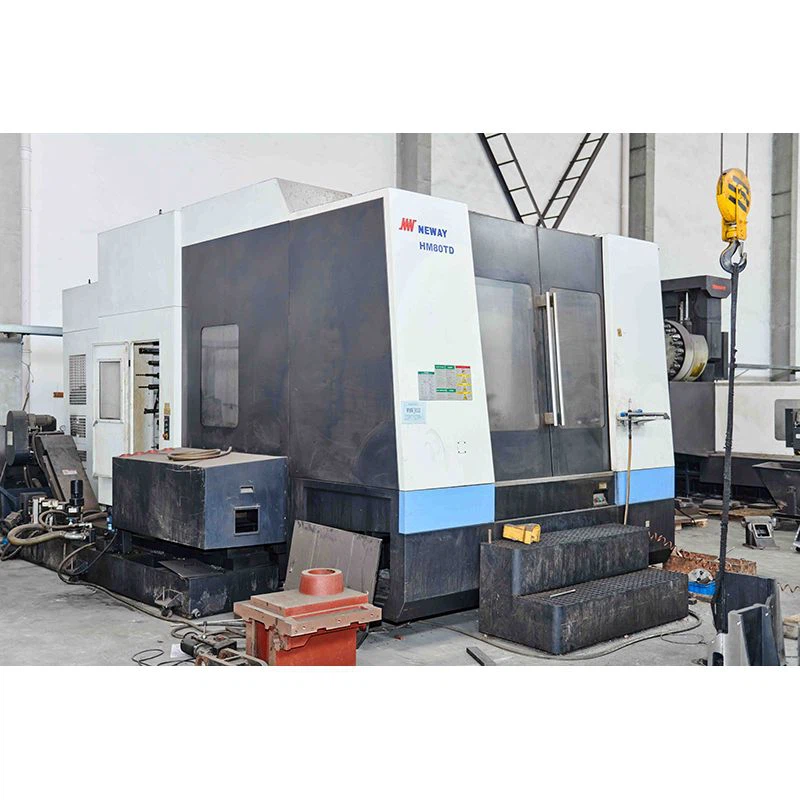
High-power laser cutting machines, on the other hand, come with a hefty price tag. They require a significant investment upfront, and the operating costs are also higher due to the high power consumption. Additionally, they may require more complex maintenance and servicing, which can add to the overall cost.
Applications
The applications of low-power and high-power laser cutting machines are quite different. Low-power machines are commonly used in the following areas:
- Crafts and DIY projects: Creating intricate designs on wood, leather, or paper.
- Prototyping: Making quick and inexpensive prototypes for product development.
- Small-scale manufacturing: Producing small parts or components for electronics, jewelry, or signage.
High-power laser cutting machines are used in more industrial and large-scale applications:
- Metal fabrication: Cutting and shaping metal sheets for various industries, including construction, automotive, and aerospace.
- Heavy machinery manufacturing: Producing large and thick metal parts for machinery and equipment.
- Shipbuilding: Cutting and welding large steel plates for ship construction.
Which One Should You Choose?
The choice between a high-power and low-power laser cutting machine depends on your specific needs and requirements. If you're a hobbyist or a small business owner who mainly works with thin materials and has a limited budget, a low-power machine would be a great choice. It's affordable, easy to operate, and can still produce high-quality results for your projects.
On the other hand, if you're an industrial manufacturer or a large company that deals with thick materials and high-volume production, a high-power laser cutting machine is essential. It can significantly improve your productivity, reduce production time, and allow you to take on more complex projects.
At our company, we offer a wide range of laser cutting machines, both high-power and low-power, to meet the diverse needs of our customers. Whether you're looking for a machine for a small-scale project or a large industrial application, we've got you covered.
If you're interested in learning more about our laser cutting machines or have any questions, feel free to contact us. We'd be happy to help you choose the right machine for your needs and provide you with a free quote.
Related Products
If you're also in the market for other types of machining equipment, we also offer Gantry Machining Center, Horizontal Machining Center, and Saddle Seat. These products are designed to provide high precision and efficiency for various machining applications.
References
- Laser Cutting Technology Handbook
- Industrial Laser Applications Guide
- Machining Equipment Industry Reports